











![Hon. Festus Keyamo SAN arrives MMIA past 11:50 p.m. Feb 23 to lead oversight of Terminal 1 fire. Joined FAAN MD & team actively managing situation. Directed morning inspection Tuesday to guide restoration & confirm safety standards. Reaffirmed focus on passenger safety. Story: [link] #KeyamoMMIA #FireIncident #FAAN](https://fullcliphq.com/wp-content/uploads/2026/02/mym-150x150.jpg "MMIA Fire: Keyamo Inspects Lagos Airport After Terminal 1 Blaze Disrupts Flights")


























































































































































































































































































































Up to four in ten cancer cases worldwide could be prevented by addressing modifiable risk factors, according to a comprehensive new global analysis released jointly by the World Health Organization (WHO) and its International Agency for Research on Cancer (IARC).
The study, published in Nature Medicine ahead of World Cancer Day (February 4), estimates that 37% of all new cancer cases in 2022 – approximately 7.1 million cases – were attributable to 30 preventable causes. These include tobacco use, alcohol consumption, high body mass index (BMI), physical inactivity, air pollution, ultraviolet (UV) radiation, and – for the first time in a global assessment – nine cancer-causing infections.
Leading Preventable Causes
Drawing on data from 185 countries and 36 cancer types, the analysis identifies tobacco as the single largest preventable contributor.
| Risk Factor | % of All New Global Cases |
| Tobacco Use | 15.1% (3.3 million cases) |
| Infections | 10.2% (2.3 million cases) |
| Alcohol Consumption | 3.2% (approx. 700,000 cases) |
Three cancer types – lung, stomach, and cervical – accounted for nearly half of all preventable cases globally.
-
Lung Cancer: Driven primarily by smoking and air pollution.
-
Stomach Cancer: Largely attributable to Helicobacter pylori infection.
-
Cervical Cancer: Overwhelmingly caused by human papillomavirus (HPV).
The Gender and Regional Gap
The preventable burden was found to be substantially higher among men than women, reflecting different exposure patterns to risk factors.
-
Men (45% preventable): Smoking is the dominant factor (23%), followed by infections (9%) and alcohol (4%).
-
Women (30% preventable): Infections are the leading factor (11%), followed by smoking (6%) and high BMI (3.4%).
Regional Highlights:
-
East Asia: Recorded the highest proportion of preventable cancers in men at 57%.
-
Sub-Saharan Africa: Led the preventable burden for women at 38%, largely due to high infection rates.
-
Latin America & Caribbean: Recorded the lowest preventable burden for men at 28%.
A Call for Structural Change
“This is the first global analysis to show how much cancer risk comes from causes we can prevent,” said Dr. André Ilbawi, WHO Team Lead for Cancer Control. Experts emphasized that prevention should focus on policy and structural solutions rather than individual blame.
Key Recommendations:
-
Tobacco & Alcohol: Stronger taxation, advertising bans, and smoke-free policies.
-
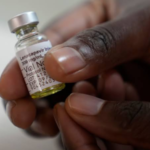
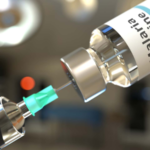
Vaccination: Expanding HPV and Hepatitis B programs to eliminate infection-related cancers.
-
Environment: Improving air quality and occupational safety standards.
-
Lifestyle: Promoting healthy diets and physical activity through urban planning and food policy.
“Addressing these preventable causes represents one of the most powerful opportunities to reduce the global cancer burden.” — Dr. Isabelle Soerjomataram, IARC Deputy Head.