












![Hon. Festus Keyamo SAN arrives MMIA past 11:50 p.m. Feb 23 to lead oversight of Terminal 1 fire. Joined FAAN MD & team actively managing situation. Directed morning inspection Tuesday to guide restoration & confirm safety standards. Reaffirmed focus on passenger safety. Story: [link] #KeyamoMMIA #FireIncident #FAAN](https://fullcliphq.com/wp-content/uploads/2026/02/mym-150x150.jpg "MMIA Fire: Keyamo Inspects Lagos Airport After Terminal 1 Blaze Disrupts Flights")































































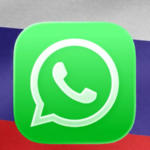















































































































































































































































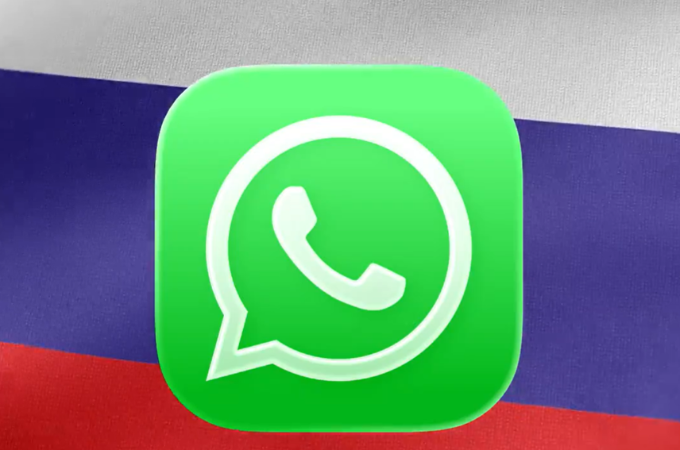
Russia has implemented a complete nationwide ban on WhatsApp, removing the messaging app from the official registry of approved services.
The country’s internet regulator, Roskomnadzor, confirmed the block on February 12, 2026, effectively cutting off access for an estimated 100 million Russian users unless they use VPNs or other circumvention tools.
This marks a significant escalation in Russia’s restrictions on foreign messaging platforms. WhatsApp now joins Telegram, which has faced repeated throttling, partial blocks, and slowdowns for refusing to provide user data related to fraud, terrorism, and other criminal activities. Authorities have consistently demanded compliance with local laws, including data localization, content moderation, and cooperation on security issues.
WhatsApp responded by calling the ban “a step backward for safety and communication,” emphasizing its end-to-end encryption and widespread use for personal, family, and business communication in Russia. The company urged users to remain cautious and consider secure alternatives.
Similar WhatsApp Blocks and Related Restrictions
Russia has imposed comparable restrictions on other foreign apps in recent years:
-
Telegram (ongoing since 2018): Faced a full block attempt from 2018–2020, followed by repeated throttling and slowdowns. The app is widely used by the military and civilians despite restrictions.
-
Signal and other encrypted apps: Targeted with slowdowns and blocks in waves since 2022 for non-compliance with data requests.
-
Facebook and Instagram (Meta-owned): Fully blocked since March 2022 following the Ukraine invasion, classified as “extremist” organizations.
-
Twitter/X (partial restrictions): Faced throttling and blocks during 2022–2023 for content moderation issues.
These measures are part of a broader digital sovereignty push, with authorities promoting domestic alternatives like VKontakte and Max while cracking down on foreign platforms seen as security risks or vectors for disinformation.
Impact on Russian Soldiers’ Communication
The WhatsApp block has raised immediate concerns about communication for Russian soldiers on the front lines in Ukraine. Telegram has long been the primary messaging tool for military units, families, and commanders due to its channels, groups, and encryption features. WhatsApp was also widely used for personal contact between troops and relatives back home.
Pro-Kremlin lawmaker Sergey Mironov publicly protested in parliament, arguing that soldiers rely heavily on messaging apps to stay connected with families. “They need it!” Mironov reportedly shouted, highlighting the practical challenges of communication in active conflict zones. He described the slowing of these services as “treason” during the ongoing special military operation.
While Telegram remains accessible (despite occasional throttling), the loss of WhatsApp further limits options, especially for soldiers using dual-SIM phones or preferring WhatsApp’s interface for voice calls and media sharing. Families and support groups have expressed worry that additional blocks could isolate troops and increase reliance on potentially monitored domestic apps like Max.
Authorities have not commented specifically on military use but maintain that national security and countering threats justify the restrictions. Many soldiers and families have already shifted to VPNs or alternative apps like Signal or domestic platforms to maintain contact.