








![Hon. Festus Keyamo SAN arrives MMIA past 11:50 p.m. Feb 23 to lead oversight of Terminal 1 fire. Joined FAAN MD & team actively managing situation. Directed morning inspection Tuesday to guide restoration & confirm safety standards. Reaffirmed focus on passenger safety. Story: [link] #KeyamoMMIA #FireIncident #FAAN](https://fullcliphq.com/wp-content/uploads/2026/02/mym-150x150.jpg "MMIA Fire: Keyamo Inspects Lagos Airport After Terminal 1 Blaze Disrupts Flights")






























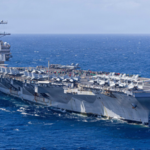





























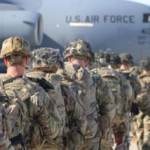












































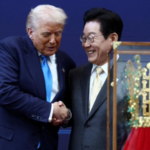






















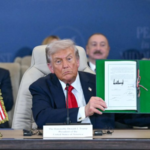

























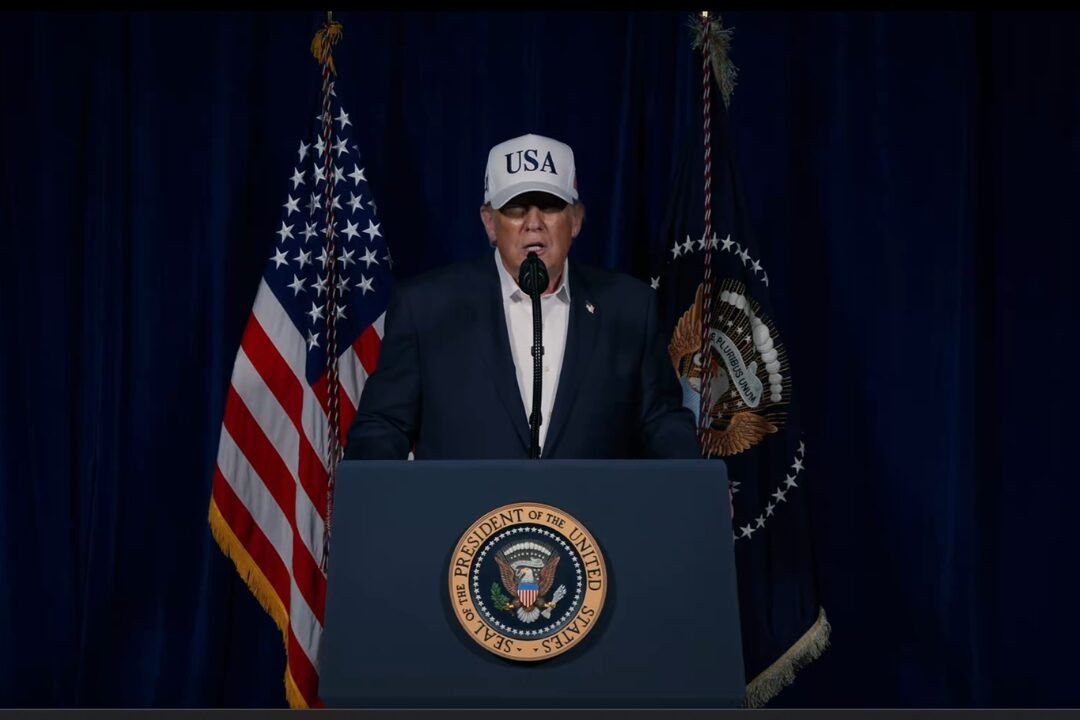
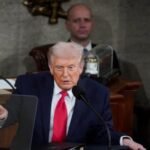
In an eight-minute video statement posted early Saturday morning to his Truth Social account and shared on X (formerly Twitter), President Donald J. Trump confirmed that the United States has initiated “major combat operations” against Iran.
The announcement follows weeks of escalating tensions, failed nuclear negotiations, and a joint U.S.-Israel military buildup in the region. The strikes, described by Trump as a “massive and ongoing operation,” target what he called Iran’s rebuilt nuclear program and associated missile capabilities, amid claims that Tehran poses an “imminent threat” to American national security and allies.
The video, which garnered millions of views within few minutes, marks a pivotal escalation in U.S.-Iran relations during Trump’s second term. Trump framed the action as defensive, aimed at preventing a “very wicked, radical dictatorship” from acquiring nuclear weapons and threatening the United States, its bases overseas, and allies including Israel.
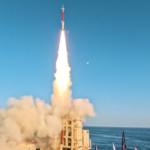
Meanwhile Israel has confirmed pings on the Tzofar red alert app as missiles heading in from Iran, as expected.
Key Excerpts from President Trump’s Address
Trump opened by declaring the start of military action:
“Our objective is to defend the American people by eliminating imminent threats from the Iranian regime, a vicious group of very hard, terrible people. We are undertaking a massive and ongoing operation to prevent this very wicked, radical dictatorship from threatening America and our core national security interests.”
A significant portion of the speech addressed the Iranian military and populace directly, urging defection and regime change:
“To the members of the Islamic Revolutionary Guard, the armed forces and all of the police. I say tonight that you must lay down your weapons and have complete immunity, or in the alternative, face certain death.”
Trump appealed to Iranian civilians:
“The hour of your freedom is at hand. When we are finished, take over your government. It will be yours to take… Stay indoors as many bombs will be dropped. The best is yet to come for the great people of Iran.”
He acknowledged potential costs:
“American lives will be lost, but that’s a casualty of war,” while emphasizing that the goal is to eliminate threats rather than pursue endless conflict.
The president warned of further escalation if Iran does not comply:
“There will be either peace, or there will be tragedy for Iran far greater than we have witnessed over the last eight days.”
Context: Escalation Leading to the Announcement
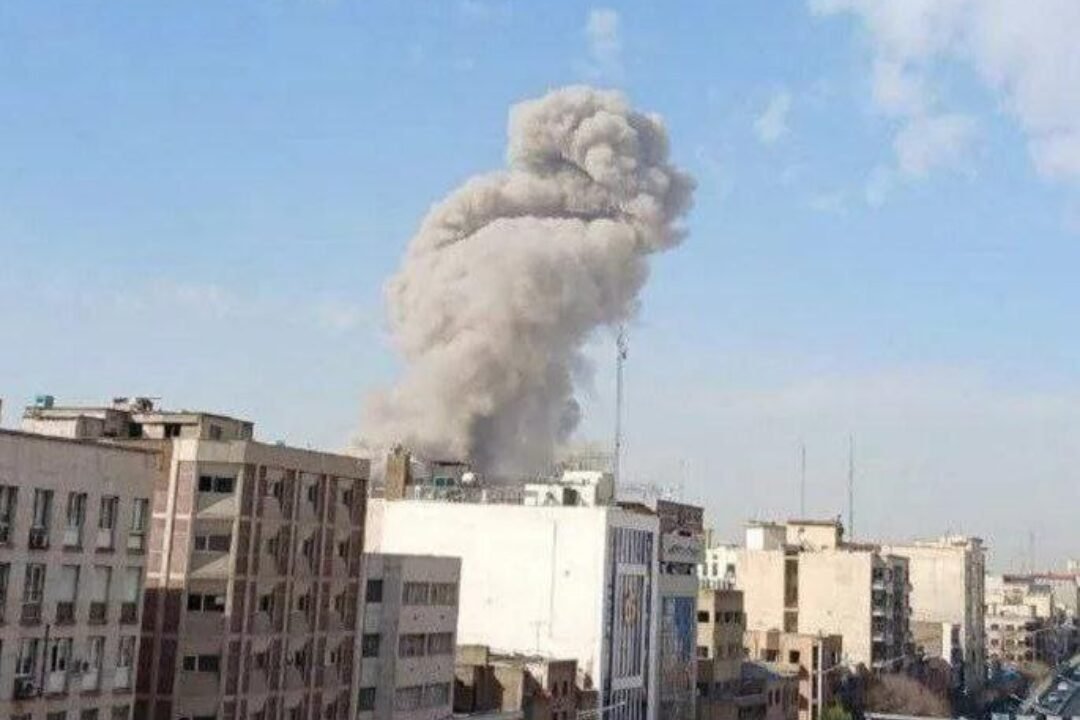
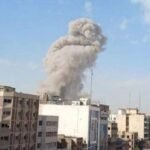
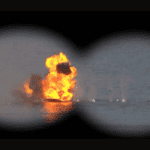
The address came shortly after inconclusive indirect nuclear talks in Geneva, where Trump had expressed frustration the previous day, stating he was “not happy” with Iran’s negotiators who “don’t want to quite go far enough.” Reports indicate U.S. and Israeli forces carried out coordinated airstrikes on Iranian nuclear sites (including facilities like Natanz, Fordow, and others associated with enrichment and missile production), with explosions reported in Tehran and other areas.
This follows Trump’s State of the Union address earlier in the week, where he reiterated warnings against allowing Iran – a designated state sponsor of terrorism – to develop nuclear weapons.
Historical Background: U.S.-Israel Relations and Iran
U.S.-Israel alignment on Iran has deepened since the 1979 Islamic Revolution, which overthrew the U.S.-backed Shah and established an anti-American, anti-Israel theocracy under Ayatollah Khomeini. The U.S. designated Iran a state sponsor of terrorism in 1984, imposing sanctions that have persisted and intensified.
Key milestones include:
-
The 1980s Iran-Iraq War, where the U.S. indirectly supported Iraq against Iran.
-
The 1983 Beirut barracks bombing (attributed to Iran-backed Hezbollah), killing 241 U.S. service members.
-
Ongoing support for proxy groups like Hezbollah, Hamas, and militias in Iraq/Syria/Yemen attacking U.S. interests.
-
Direct U.S.-Iran confrontations escalated under Trump’s first term (2017-2021), including the 2018 withdrawal from the JCPOA (Iran nuclear deal negotiated under Obama in 2015), the 2020 drone strike killing IRGC commander Qasem Soleimani, and Iran’s retaliatory missile attacks on U.S. bases in Iraq injuring troops.
In recent years, Iran has been linked to attacks harming Americans:
-
Proxy militia rocket and drone strikes on U.S. forces in Iraq and Syria (dozens killed or injured since 2020).
-
The 2024 killing of U.S. troops in Jordan by Iran-backed groups.
-
Support for Houthi attacks on Red Sea shipping affecting U.S. allies.
Israel has conducted covert operations (e.g., Stuxnet cyberattack in 2010, assassinations of nuclear scientists) and overt strikes on Iranian assets in Syria. The current action builds on this long-standing “maximum pressure” strategy shared by Trump and Israeli leadership.