











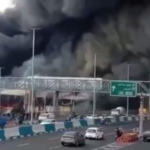
![Hon. Festus Keyamo SAN arrives MMIA past 11:50 p.m. Feb 23 to lead oversight of Terminal 1 fire. Joined FAAN MD & team actively managing situation. Directed morning inspection Tuesday to guide restoration & confirm safety standards. Reaffirmed focus on passenger safety. Story: [link] #KeyamoMMIA #FireIncident #FAAN](https://fullcliphq.com/wp-content/uploads/2026/02/mym-150x150.jpg "MMIA Fire: Keyamo Inspects Lagos Airport After Terminal 1 Blaze Disrupts Flights")











































































































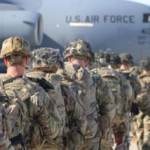

































































































































































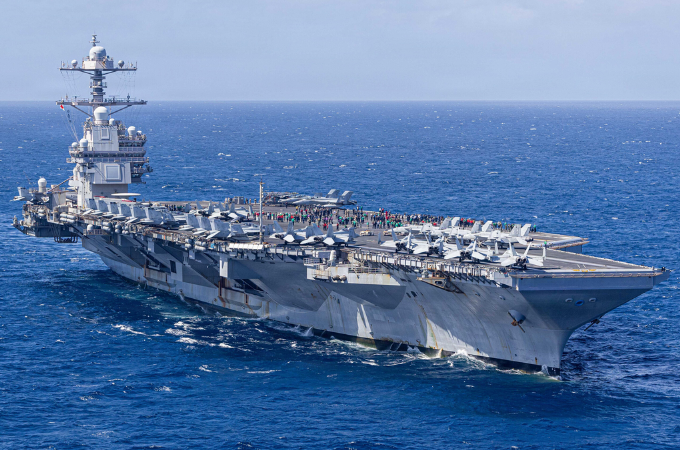
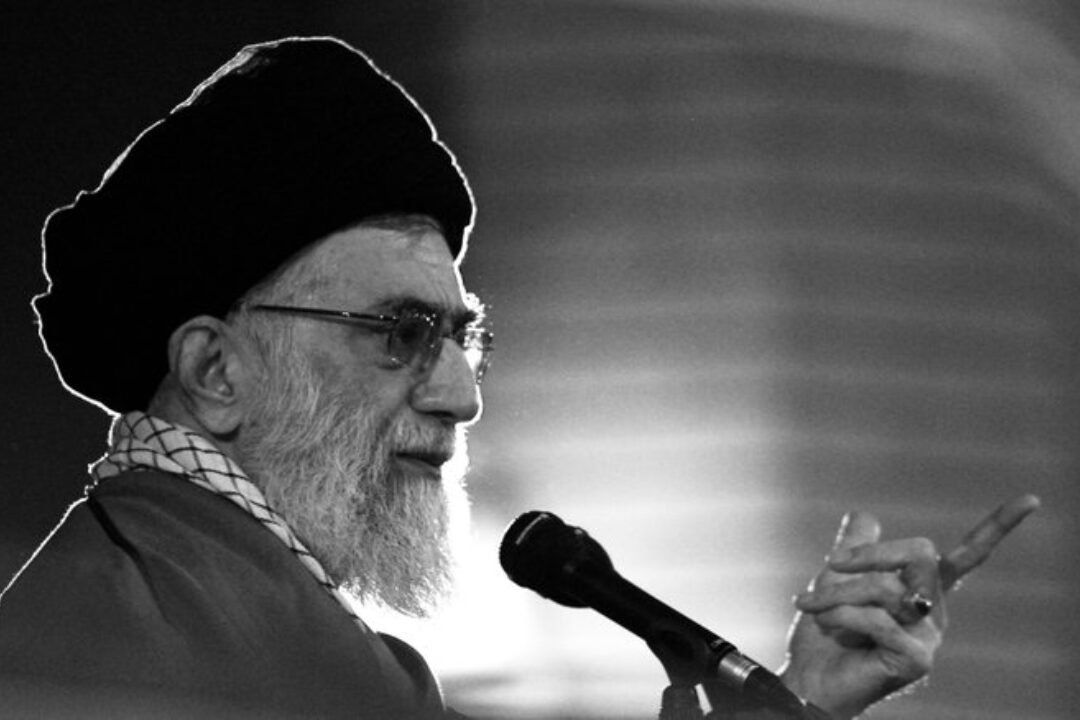
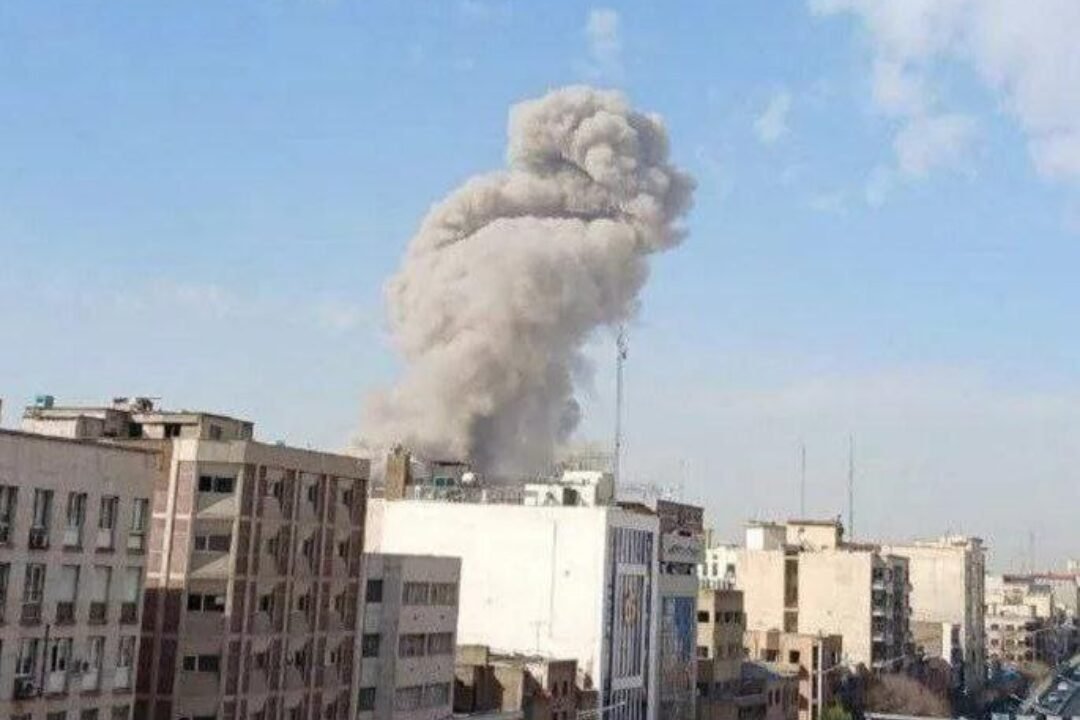
The United States Navy is noticeably strengthening its naval forces in the Middle East as tensions with Iran continue to rise.
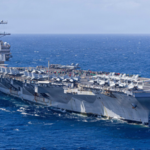
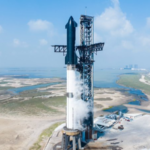
The USS Gerald R. Ford (CVN-78), the Navy’s newest and most technologically advanced supercarrier, has been ordered to leave its current area of operations in the Caribbean and proceed to the region to reinforce the USS Abraham Lincoln Carrier Strike Group, which has been deployed in the Middle East since late January 2026.
U.S. officials speaking to major news organizations including The New York Times, Associated Press, ABC News, CBS News, and Fox News confirmed the redeployment. The Ford strike group is expected to depart the Caribbean shortly and transit across the Atlantic and Mediterranean, arriving in the U.S. Central Command (CENTCOM) area in the coming weeks. This will create a powerful dual-carrier presence, significantly increasing American airpower, deterrence capability, and flexibility for any potential military contingencies.
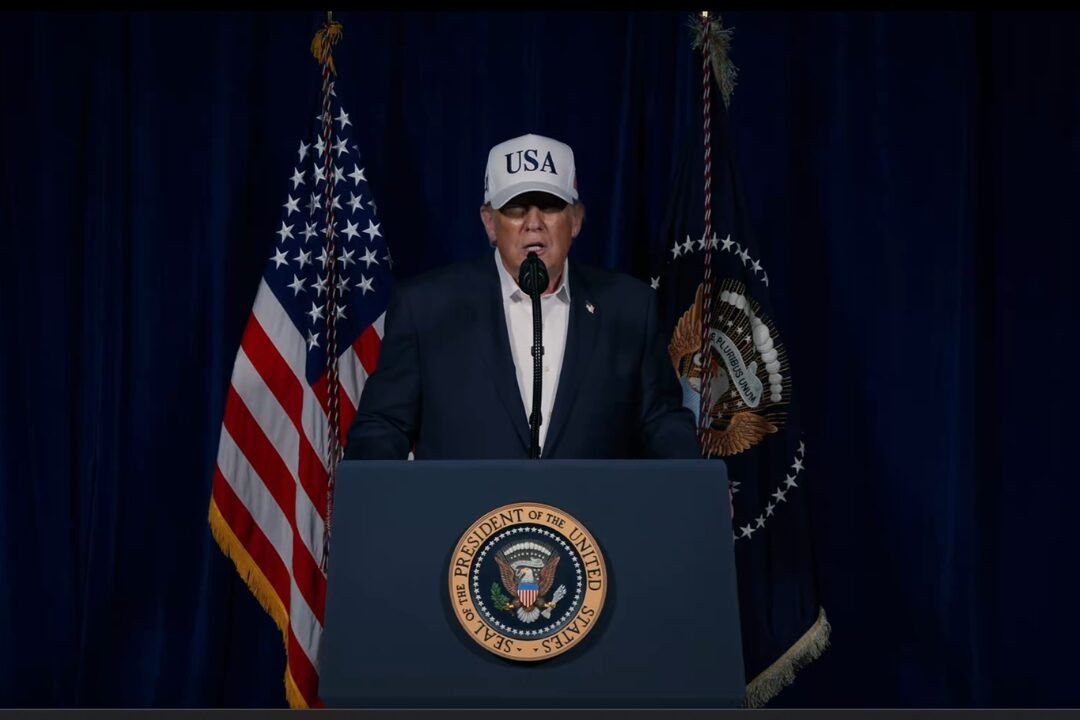
President Donald Trump has maintained a firm stance toward Iran, repeatedly stressing the need for maximum pressure to force Tehran into a new, more comprehensive nuclear agreement. In comments to Axios earlier this week, Trump indicated he was actively considering sending an additional carrier to the region — a plan now clearly in motion.
USS Gerald R. Ford Specifications and Capabilities
The USS Gerald R. Ford, lead ship of its class and commissioned in 2017, represents a generational leap in carrier design. At 1,106 feet long and displacing over 100,000 tons when fully loaded, it is the largest warship ever built for the U.S. Navy. Key features include:
-
Nuclear propulsion providing virtually unlimited range and endurance.
-
Electromagnetic Aircraft Launch System (EMALS) replacing traditional steam catapults.
-
Advanced Arresting Gear (AAG) for safer recoveries.
-
Capacity for 75–90 aircraft, including F-35C Lightning II stealth fighters and EA-18G Growlers.
-
Automation that reduces crew requirements to approximately 4,500 personnel.
Unusual Deployment History and Strategic Shift
The Ford left its Norfolk, Virginia homeport in late June 2025 for what was originally planned as a seven-month European cruise. In October 2025, the strike group was abruptly redirected to the Caribbean as part of a military buildup near Venezuela. That deployment supported Operation Absolute Resolve, the surprise raid on January 3, 2026, that captured then-Venezuelan President Nicolás Maduro and his wife, Cilia Flores, who were subsequently transported to New York to face trial.
The sudden pivot to the Middle East extends the deployment well beyond original plans. Crew members, already at sea for nearly eight months, now face a mission that likely delays their return to Norfolk until late April or early May 2026.
Current Naval Posture and Iran Nuclear Negotiations
The USS Abraham Lincoln (CVN-72) and its strike group entered the region more than two weeks ago. The addition of the Ford group creates a formidable force capable of maintaining high-tempo air operations as indirect U.S.-Iran nuclear negotiations in Oman remain strained.
Israeli Prime Minister Benjamin Netanyahu met with President Trump at the White House on February 11, 2026, pressing for a “decisive blow” against Tehran’s nuclear ambitions. Netanyahu advocated for broadening any deal to include Iran’s ballistic missile program and its regional proxies. Trump, while stating a preference for a negotiated settlement, warned Iran that a failure to reach a deal would be “very traumatic.”