









![Hon. Festus Keyamo SAN arrives MMIA past 11:50 p.m. Feb 23 to lead oversight of Terminal 1 fire. Joined FAAN MD & team actively managing situation. Directed morning inspection Tuesday to guide restoration & confirm safety standards. Reaffirmed focus on passenger safety. Story: [link] #KeyamoMMIA #FireIncident #FAAN](https://fullcliphq.com/wp-content/uploads/2026/02/mym-150x150.jpg "MMIA Fire: Keyamo Inspects Lagos Airport After Terminal 1 Blaze Disrupts Flights")












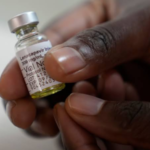



















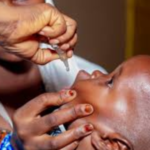



















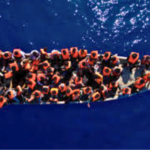





























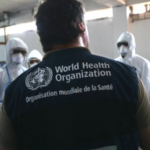



























































































































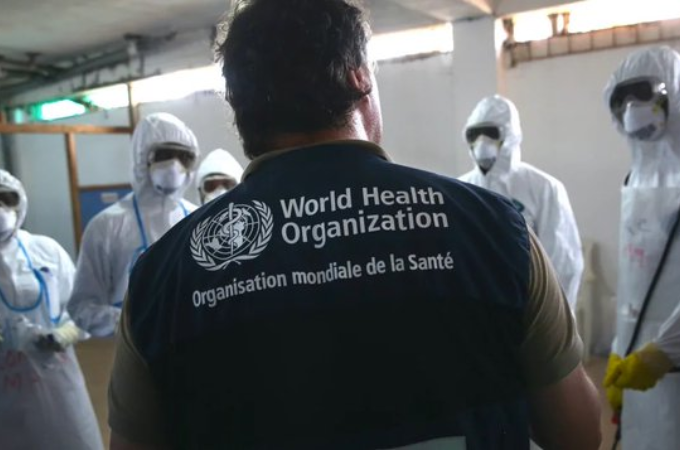
The World Health Organization (WHO) on Tuesday launched its 2026 Health Emergency Appeal, seeking nearly US$1 billion to provide life-saving health services to an estimated 239 million people facing humanitarian crises across 36 emergencies worldwide. The appeal highlights a stark funding gap as global humanitarian aid declines while conflicts, climate shocks, and disease outbreaks continue to rise.
Grade 3 Emergencies: The Highest Level of Need
The request targets 14 “Grade 3” emergencies – the highest level of WHO activation. These protracted crises require sustained, high-intensity intervention to prevent health system collapse.
-
Top Priority Zones: Gaza (occupied Palestinian territory), Sudan, Ukraine, Yemen, and the Democratic Republic of the Congo.
-
Ongoing Outbreaks: Critical funding is needed to combat persistent cholera and mpox outbreaks.
-
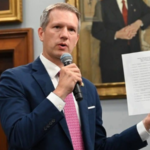
Humanitarian Impact: WHO Director-General Dr. Tedros Adhanom Ghebreyesus noted that approximately one-quarter of a billion people are currently living without safety or access to basic healthcare.
A Strategy of “Realism” Amid Funding Cuts
This year’s target is significant for being about one-third lower than previous appeals. This reduction reflects a strategic pivot toward “realism” as major donors, including the United States, slash humanitarian budgets.
-
2025 Retrospective: Last year, severe underfunding meant WHO reached only 30 million of the 81 million people targeted, forcing the closure of thousands of health facilities.
-
Tough Choices: Chikwe Ihekweazu, Executive Director of the Health Emergencies Programme, stated that the organization is focusing strictly on high-impact interventions where the most lives can be saved.
-
Budget vs. Defense: Dr. Tedros pointed out the irony of the funding struggle, noting that global defense spending now exceeds $2.5 trillion annually, dwarfing the $1 billion needed for global health security.
Core Operations Supported by the Appeal
The nearly $1 billion will be used to sustain essential frontline services:
-
Clinical Care: Keeping primary health centers and mobile clinics operational.
-
Medical Supply Chain: Delivering vaccines, medicines, and surgical kits.
-
Rapid Response: Deploying emergency medical teams to new disaster zones.
-
Surveillance: Strengthening early warning systems for infectious disease outbreaks.