









![Hon. Festus Keyamo SAN arrives MMIA past 11:50 p.m. Feb 23 to lead oversight of Terminal 1 fire. Joined FAAN MD & team actively managing situation. Directed morning inspection Tuesday to guide restoration & confirm safety standards. Reaffirmed focus on passenger safety. Story: [link] #KeyamoMMIA #FireIncident #FAAN](https://fullcliphq.com/wp-content/uploads/2026/02/mym-150x150.jpg "MMIA Fire: Keyamo Inspects Lagos Airport After Terminal 1 Blaze Disrupts Flights")



















































































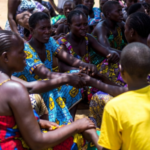
























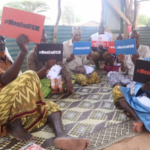



















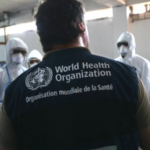


















































































































































































The World Health Organization (WHO) has reaffirmed that leprosy is a fully curable disease and called for urgent action to eliminate stigma and discrimination that continue to deny affected individuals dignity and basic rights.
In a statement marking World Leprosy Day, Dr. Catharina Boehme, Officer-in-Charge of WHO’s South-East Asia Regional Office, stressed that achieving “zero disease, zero disability, and zero stigma” is possible—but only if social barriers are addressed alongside medical progress.
Medical Progress and Global Milestones
Dr. Boehme reaffirmed the global vision of “zero disease, zero disability, and zero stigma and discrimination,” highlighting significant progress:
- Jordan’s Milestone: In 2024, Jordan became the first country verified by WHO as having eliminated leprosy as a public health problem through sustained commitment, mandatory reporting, timely diagnosis, and multi-drug therapy (MDT).
- Global Surveillance: In 2024, 188 countries and territories reported leprosy data to WHO—the most comprehensive coverage to date—with 55 countries reporting zero new cases.
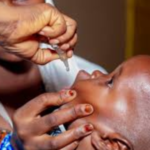
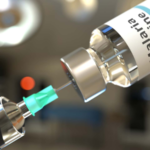
- Treatment and Prevention: MDT has transformed leprosy into a curable condition. Early interventions, including contact screening and single-dose rifampicin as post-exposure prophylaxis (PEP), are being scaled up globally.
- Digital Tools: DHIS2-based platforms now enhance surveillance, case management, and data-driven decisions for better patient care.
Despite these advances, stigma remains a major barrier, preventing early care-seeking and treatment adherence. Discriminatory laws in many countries still deny affected persons rights to employment, education, marriage, and social participation.
Human Rights and Inclusion
The statement referenced the UN Principles and Guidelines for the Elimination of Discrimination against Persons Affected by Leprosy and their Family Members, adopted by the UN General Assembly in 2010. Dr. Boehme stressed that true elimination goes beyond zero new cases—it requires:
- Full continuum of care and rehabilitation services
- Social protection and economic opportunities
- Repeal of discriminatory laws
- Meaningful inclusion of persons affected by leprosy in policy and program design
Global Context and Call to Action
Leprosy, caused by Mycobacterium leprae, primarily affects skin, peripheral nerves, and eyes. Untreated cases can lead to permanent disability. Transmission occurs through prolonged close contact, but most people are naturally immune. MDT—a combination of dapsone, rifampicin, and clofazimine—has been provided free by WHO since 1995.
The WHO Roadmap for Neglected Tropical Diseases 2021–2030 targets leprosy elimination as a public health problem and zero disability among new cases. In 2024, global new cases were approximately 140,000–150,000, with India, Brazil, Indonesia, and the Democratic Republic of Congo accounting for the majority. The South-East Asia Region bears the highest burden.
Dr. Boehme urged governments and partners to sustain commitment, combat stigma through education and inclusion, and invest in improved diagnostics, treatment regimens, and social innovations. “Through our collective efforts and commitment, a world free from leprosy is within reach,” she concluded.