




































![Hon. Festus Keyamo SAN arrives MMIA past 11:50 p.m. Feb 23 to lead oversight of Terminal 1 fire. Joined FAAN MD & team actively managing situation. Directed morning inspection Tuesday to guide restoration & confirm safety standards. Reaffirmed focus on passenger safety. Story: [link] #KeyamoMMIA #FireIncident #FAAN](https://fullcliphq.com/wp-content/uploads/2026/02/mym-150x150.jpg "MMIA Fire: Keyamo Inspects Lagos Airport After Terminal 1 Blaze Disrupts Flights")


























































































































































































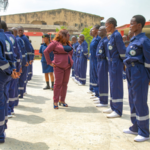
















































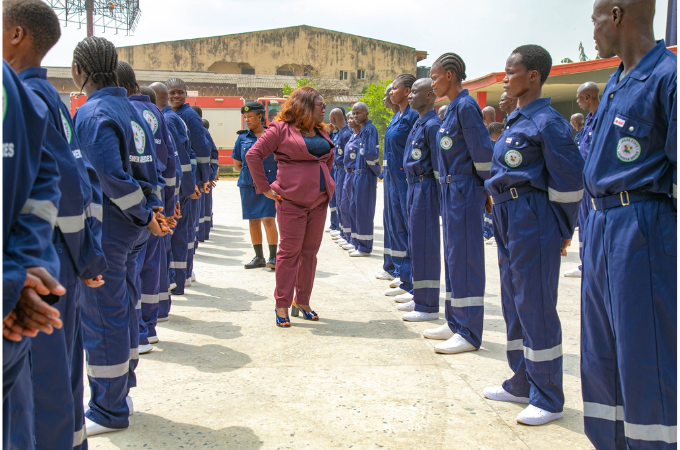
Governor Babajide Sanwo-Olu has approved the recruitment of 150 additional firefighters into the Lagos State Fire and Rescue Service (LSFRS), a strategic move to strengthen emergency response in Africa’s most populous city. With over 20 million residents, Lagos faces unique fire risks tied to rapid urbanization, dense housing, industrial activity, and infrastructural challenges.
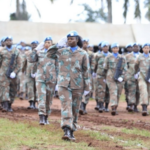
The approval, announced on January 20, 2026, follows performance reviews and public safety priorities under the Sanwo-Olu administration. The new recruits—described as “able-bodied men and women”—were reportedly onboarded in late 2025 and have begun intensive training at the upgraded LSFRS Fire Academy. This marks the most significant staffing boost in recent years, building on the recruitment of 100 firefighters in 2020 during the COVID-19 pandemic.
Expanding Workforce and Coverage
As of early 2026, LSFRS had 929 personnel. The addition of 150 new firefighters represents a 16% increase in workforce strength once fully trained and deployed. The service currently operates 22 fire stations across 20 local government areas, with four more stations and an ultra-modern workshop under construction to expand coverage.
Fire Risks in Lagos
Lagos experiences a high volume of fire incidents due to factors such as:
- Electrical faults and overloaded power systems
- Gas explosions and illegal fuel storage
- Market overcrowding and poor safety compliance
- Industrial accidents and building collapses
The LSFRS 2025 Activity Report recorded 1,685 fire incidents, resulting in 133 lives lost and property damage valued at N19.72 billion. However, interventions saved property worth N118.32 billion and rescued 473 victims alive. The service also handled 2,617 calls (including 645 false alarms) and conducted nearly 8,800 facility inspections.
Reform Agenda
Governor Sanwo-Olu’s decision aligns with broader reforms, including the signing of the Lagos State Fire and Rescue Service Bill into law, which strengthened the agency’s legal framework, autonomy, and efficiency. His administration has invested in:
- Modern firefighting equipment and appliances
- New fire stations and industrial boreholes for water supply
- Personnel development, with 105 promotions recorded in 2025
Public Reaction
Public response has been mixed. Supporters welcomed the recruitment as a positive step toward reducing fatalities and property losses, praising it as “long overdue” and a sign of good governance. Many also noted its potential to reduce youth unemployment.
Critics, however, argued that manpower increases alone are insufficient without addressing systemic gaps. Concerns include:
- Inadequate fire trucks and appliances
- Unreliable water supply during operations
- Poor road access in congested or informal settlements
- Delayed response times due to traffic gridlock
- Unequal deployment across neighborhoods
Social media commentary reflected frustration, with phrases like “150 or 1,500 no change anything” underscoring skepticism that personnel growth must be matched by equipment upgrades, impartial protocols, and preventive education.
Looking Ahead
LSFRS leadership has consistently described personnel as its “greatest asset” and emphasized proactive recruitment to address retirements, resignations, and rising demand. As Lagos continues rapid growth, the pressure on emergency services intensifies. This recruitment will be closely monitored for its impact on response times, coverage equity, and overall effectiveness in saving lives and property.