
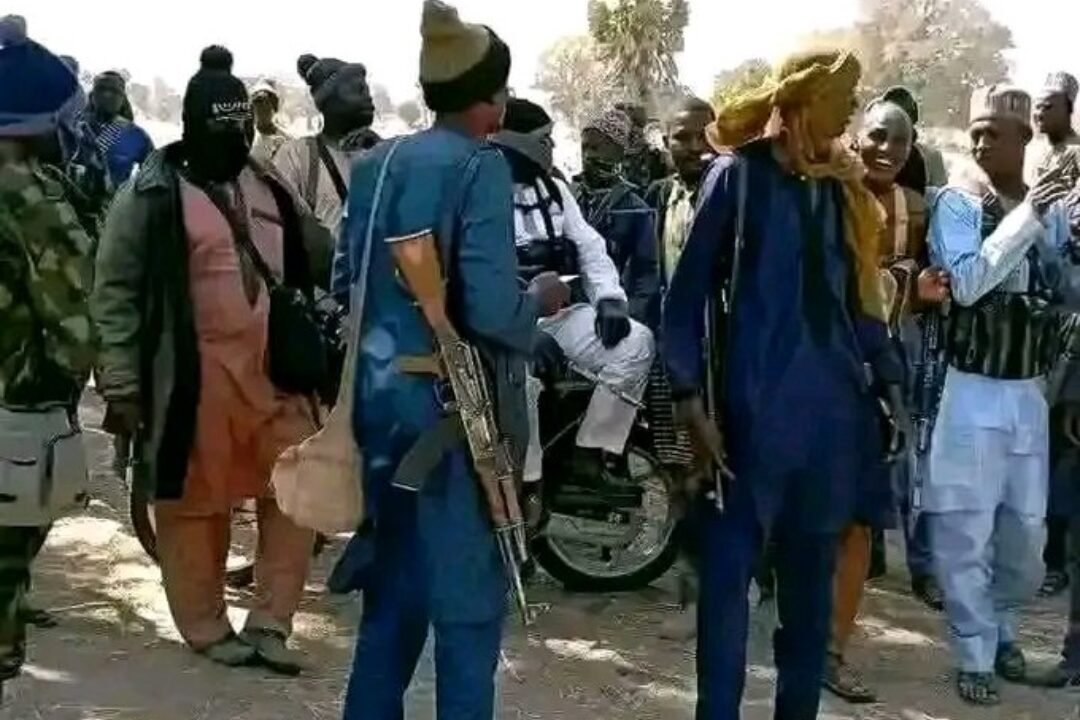
Rep. Riley Moore Presses Nigeria to Protect Christians After ISWAP Claims Responsibility for Attack in Adamawa State
U.S. Representative Riley Moore (R-WV) has renewed urgent calls for the Nigerian government to take decisive action to protect the country’s Christian minority following an attack claimed by ISIS affiliate ISWAP (Islamic State West Africa Province) in Kirshinga village, Adamawa State.
In a statement posted on X on March 5, 2026, Rep. Moore referenced his February 2026 report submitted to the White House, which documented ongoing targeted violence against Christians in Nigeria. He warned that increased American support – whether security assistance, economic aid, or diplomatic backing – remains contingent on Nigeria demonstrating genuine commitment to prosecuting attackers and safeguarding vulnerable religious communities.
“ISIS-West Africa is slaughtering Christians and telling other Christians they must convert or die. In our report to the White House, we made it clear that increased American support is contingent on the Nigerian government taking real action to protect Christians and prosecute perpetrators.”
The attack in Kirshinga drew fresh attention after ISWAP publicly claimed responsibility, stating it killed 27 Christians and burned 10 houses while reiterating its demand that Nigerian Christians pay the jizyah tax, convert to Islam, or face death. The group described its ultimatum as a “fair deal.” The claim was widely shared on X by accounts tracking militant activity in the region.
Nigeria has faced persistent criticism from international religious freedom monitors for failing to adequately protect Christian communities, particularly in the North-East and Middle Belt regions. Open Doors ranked Nigeria sixth on its 2025 World Watch List for Christian persecution, estimating nearly 5,000 Christians were killed for faith-related reasons in the previous year alone. Thousands more have been displaced by attacks attributed to Boko Haram, ISWAP, and Fulani militias.
The Kirshinga incident has intensified calls for stronger government response. Critics point to perceived weaknesses in Nigeria’s deradicalization programmes, inadequate security deployment in vulnerable rural areas, and slow prosecution of perpetrators. Some argue the government’s reluctance to fully acknowledge the religious dimension of the violence has hampered effective countermeasures.
Moore’s statement aligns with long-standing advocacy from U.S. lawmakers and religious freedom organizations. His February report to the White House reportedly urged conditioning U.S. assistance on measurable progress in protecting religious minorities and holding attackers accountable.
The Nigerian government has not yet issued a direct response to Moore’s latest remarks or the ISWAP claim. Officials have consistently described the violence as primarily criminal and resource-driven rather than purely faith-based, while emphasizing ongoing military operations against insurgents in the North-East.
As the conflict continues to claim lives and displace communities, the Kirshinga attack and subsequent international attention underscore the urgent need for stronger civilian protection measures and accountability for perpetrators.
