
Mozambique Battles Devastating Floods as Vast Regions Remain Submerged Amid Worsening Humanitarian Crisis
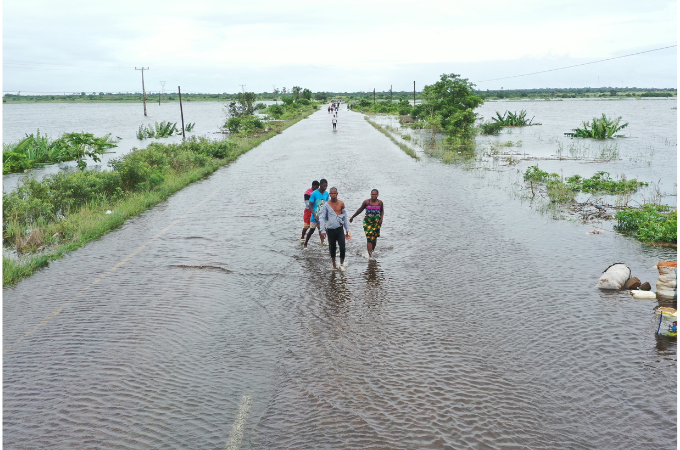
Southern Mozambique is facing one of its worst flooding disasters in recent years after weeks of relentless rainfall submerged extensive areas of Gaza and Maputo provinces, cutting off communities and leaving hundreds of thousands in urgent need of assistance.
Sky News correspondent Yousra Elbagir, reporting from affected districts on Thursday, described “entire villages encircled by water”, with stranded families lacking food, clean water, fuel, and medical supplies. Roads, bridges, and farmland have been lost to floodwaters stretching over thousands of square kilometres.
Satellite Mapping Shows Scale of the Disaster
Analysis from UNOSAT indicates approximately 4,800 km² of detected floodwaters across Gaza, Maputo and Maputo City provinces. In some of the worst‑hit zones, Elbagir reported inundation levels comparable in area to Cyprus (around 9,250 km²), underscoring the scale of the emergency.
Several major rivers — including the Limpopo, Incomáti, Umbelúzi and Maputo — have overflowed following intense rainfall and upstream dam releases from South Africa and Zimbabwe. Heavy inflows forced reservoir operators in neighbouring countries to discharge large volumes of water downstream, compounding impacts in southern Mozambique.
Climate‑Amplified Rains Deepen Regional Vulnerability
Scientists from World Weather Attribution have linked the extreme rainfall to climate change, concluding that similar 10‑day rainfall events are now roughly 40% more intense than in pre‑industrial times. A weak La Niña has further influenced regional weather patterns, producing prolonged and unpredictable rains.
Hundreds of Thousands Affected; Children Most at Risk
Mozambique’s disaster agency, INGD, estimates that more than 690,000 people have been affected nationwide since early January, with southern and central provinces suffering the greatest disruption. Gaza province — especially districts such as Chókwè, Guija, Mabalane, Massingir and Xai‑Xai — remains the worst hit.
UNICEF warns that over 300,000 children have been impacted in key provinces, placing them at heightened risk of hunger, disease, and displacement.
Confirmed fatalities stand at 13–14 directly linked to flooding in January, although wider seasonal figures are higher. Authorities also report crocodile‑related deaths in Maputo and Gaza as wildlife encroaches on flooded settlements.
Health agencies are monitoring rising threats of cholera, malaria and acute malnutrition, exacerbated by contaminated water sources and widespread crop destruction. Mozambique already has one of the highest chronic malnutrition rates in the world, affecting nearly 40% of children.
Severe Damage to Infrastructure and Essential Services
Floodwaters have damaged or destroyed:
• More than 150,000 homes (flooded or ruined)
• 400+ schools, disrupting learning for tens of thousands of children
• Numerous clinics and health posts
• Long stretches of roads, including parts of the critical EN1 highway
The EN1 disruption has severed major transport corridors, isolating communities and delaying aid convoys. Agriculture, tourism and regional trade have also been affected.
Rescue and Relief Efforts Intensify
Over 19,000–20,000 people have been rescued in Gaza and Maputo alone, with emergency teams using boats and helicopters in dangerous conditions. The government declared a Red Alert in mid‑January and appealed for international support.
Aid agencies — including the UN, EU, UNICEF, Save the Children, the World Food Programme, and regional partners such as SADC — are coordinating relief missions. Helicopter operations, food deliveries, shelter kits, WASH supplies, and emergency medical support are ongoing, though access to isolated areas remains extremely difficult.
Support has also arrived from countries including the United Kingdom and Brazil to bolster rescue and humanitarian operations.
Threat of Further Flooding in Coming Months
Meteorological forecasts warn that southern Mozambique may experience above‑average rainfall through February to April, raising the risk of renewed flooding as soils remain saturated and upstream river flows continue to rise.
Experts say sustained, coordinated action is needed to prevent a wider humanitarian emergency. Recovery will require major investment in resilient infrastructure, early‑warning systems, and stronger cross‑border collaboration on water and dam management.
The disaster highlights Mozambique’s profound vulnerability to climate‑driven extremes and the complex challenges faced by downstream countries reliant on shared river basins.
