













































![Hon. Festus Keyamo SAN arrives MMIA past 11:50 p.m. Feb 23 to lead oversight of Terminal 1 fire. Joined FAAN MD & team actively managing situation. Directed morning inspection Tuesday to guide restoration & confirm safety standards. Reaffirmed focus on passenger safety. Story: [link] #KeyamoMMIA #FireIncident #FAAN](https://fullcliphq.com/wp-content/uploads/2026/02/mym-150x150.jpg "MMIA Fire: Keyamo Inspects Lagos Airport After Terminal 1 Blaze Disrupts Flights")





































































































































































































































































































































Belgium has enacted a federal policy prohibiting aircraft carrying weapons or military equipment destined for Israel from using its airspace or airports.
The measure, implemented last week through a royal decree and confirmed by Deputy Prime Minister Petra De Sutter and Foreign Minister Maxime Prévot, requires airlines to submit full cargo manifests for customs verification before any flight over or into Belgian territory.
Closing Loopholes and Upholding International Law
The ban builds on earlier regional actions: in 2024, the Walloon and Flemish governments suspended arms export licenses to Israel following an International Court of Justice (ICJ) provisional order in the South Africa v. Israel genocide case. That ruling urged states to prevent acts that could constitute genocide and ensure humanitarian aid reaches Gaza. Belgium’s new federal policy extends restrictions to transit flights, closing a loophole for third-country shipments routed through European airspace.
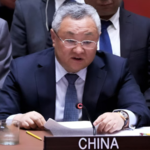
Foreign Minister Prévot described the decision as fulfilling Belgium’s legal and moral obligations under international humanitarian law: “We cannot allow our territory to facilitate the continuation of a war that has already claimed tens of thousands of lives and created one of the worst humanitarian crises in modern history.”
The policy applies regardless of origin or carrier, targeting any flight whose cargo includes arms, ammunition, military components, or dual-use items bound for Israel.
Scope and Practical Impact
Informed observers note the ban primarily affects indirect or third-country shipments rather than direct Israeli military imports, which rarely transit Belgium. Major arms suppliers to Israel—such as the United States, Germany, and Italy—typically use direct routes or other European hubs like the Netherlands or Cyprus.
The measure introduces logistical challenges and increased scrutiny for operators, potentially raising costs and delays for transatlantic or intra-European cargo flights with Israeli endpoints.
Similar policies have emerged elsewhere in Europe:
- Spain suspended arms exports to Israel in 2024 and imposed stricter transit checks.
- Italy placed temporary restrictions on certain military overflights.
- The Netherlands faces domestic pressure but has not enacted a full airspace ban.
Belgium’s move aligns with its long-standing position on the Israel-Palestine conflict, including recognition of Palestine as a state, consistent criticism of settlement expansion, and active support for ICJ and ICC processes.
Broader Context
The policy comes amid the third year of the Israel-Hamas war, which began October 7, 2023, and has resulted in over 40,000 reported deaths in Gaza (according to Gaza Health Ministry figures), widespread displacement, and severe humanitarian restrictions. Belgium has consistently called for a ceasefire, unrestricted humanitarian access, and accountability for alleged violations of international law by all parties.
The royal decree strengthens customs and air traffic control monitoring, with potential fines or flight denials for non-compliance. It also reflects growing European divergence on arms transfers to Israel: while some EU members (Germany, France) continue exports under existing licenses, others (Spain, Ireland, Belgium) have imposed restrictions or bans.
No immediate legal challenge from Israel or affected carriers has been reported, though diplomatic tensions are expected. The policy is indefinite until formally revoked or amended.