
















![Hon. Festus Keyamo SAN arrives MMIA past 11:50 p.m. Feb 23 to lead oversight of Terminal 1 fire. Joined FAAN MD & team actively managing situation. Directed morning inspection Tuesday to guide restoration & confirm safety standards. Reaffirmed focus on passenger safety. Story: [link] #KeyamoMMIA #FireIncident #FAAN](https://fullcliphq.com/wp-content/uploads/2026/02/mym-150x150.jpg "MMIA Fire: Keyamo Inspects Lagos Airport After Terminal 1 Blaze Disrupts Flights")

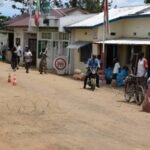





























































































Burundi has restored full customs and immigration operations at the Gatumba-Kavimvira border crossing with the Democratic Republic of the Congo, ending a closure of more than two months that severely curtailed trade, travel, and livelihoods on both sides.
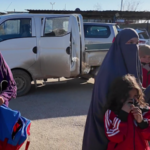
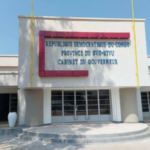
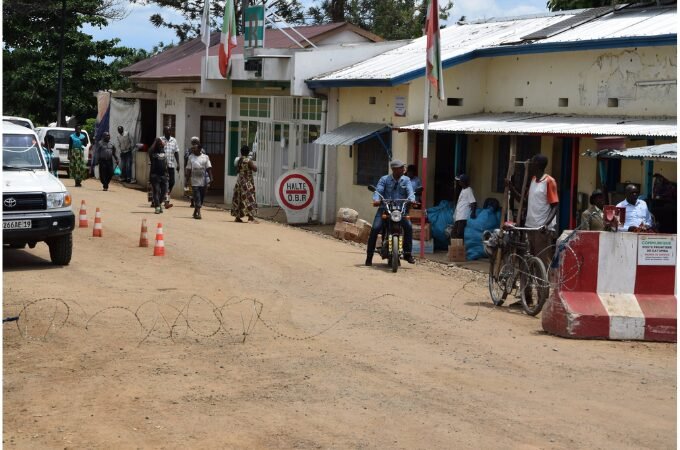
The border post – one of the most important economic links between Burundi’s commercial capital region near Bujumbura and the South Kivu provincial town of Uvira – reopened quietly on today. No formal ceremony was held, but officials confirmed that normal processing resumed for pedestrians, trucks, and private vehicles.
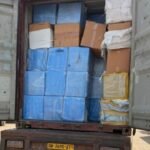
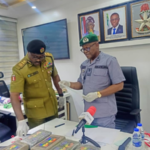
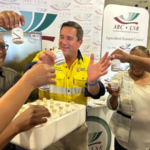
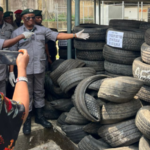
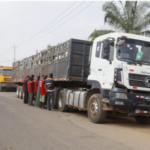
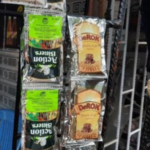
The Office Burundais des Recettes (OBR), Burundi’s revenue authority, announced that customs, taxation, and immigration services were fully reactivated. Operating hours were set at 08:00 to 17:00 local time daily. Visual evidence from the site showed functioning checkpoints, staffed immigration counters, and the immediate movement of goods in both directions- most visibly consumer items such as detergents, toiletries, and other household products awaiting clearance.
Background on the Closure
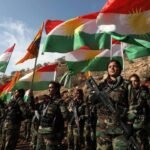
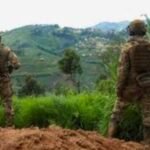
The crossing had been closed by Burundian authorities since December 10, 2025. The decision followed the brief capture of Uvira by fighters linked to the AFC/M23 rebel movement earlier that month. Burundi cited direct national security concerns, viewing the rebel presence so close to its frontier as an unacceptable risk. Although M23 forces withdrew from Uvira within days – allowing Congolese security forces and local administration to re-establish control – the border remained shut for an extended period.
During the closure, communities on both sides faced acute hardship:
-
Economic Impact: Traders in Uvira reported shortages of essential goods and sharp price increases for basic commodities.
-
Social Disruption: Cross-border families were separated, and access to essential healthcare and education was restricted.
-
Civil Society Response: Local business associations repeatedly called for the reopening, describing the crossing as a lifeline for survival.
Regional Outlook
The resumption is widely seen as a practical step to relieve economic pressure in an area already strained by recurring instability in eastern DRC. For Uvira residents, restored flows of goods should help stabilize prices and revive small-scale cross-border commerce. On the Burundian side, customs revenue is expected to recover and economic activity in frontier communities should gradually rebound.
The development occurs against a backdrop of fragile security in eastern DRC, where multiple armed groups remain active despite intermittent peace efforts. While the M23 withdrawal from Uvira created the conditions for reopening, long-term stability will depend on addressing underlying drivers of conflict – including ethnic tensions and regional rivalries.