


































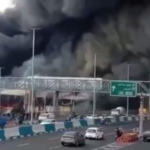
![Hon. Festus Keyamo SAN arrives MMIA past 11:50 p.m. Feb 23 to lead oversight of Terminal 1 fire. Joined FAAN MD & team actively managing situation. Directed morning inspection Tuesday to guide restoration & confirm safety standards. Reaffirmed focus on passenger safety. Story: [link] #KeyamoMMIA #FireIncident #FAAN](https://fullcliphq.com/wp-content/uploads/2026/02/mym-150x150.jpg "MMIA Fire: Keyamo Inspects Lagos Airport After Terminal 1 Blaze Disrupts Flights")













































































































































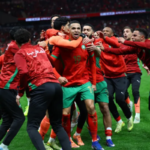










The Confederation of African Football (CAF) is actively exploring alternative host nations for the 2026 Women’s Africa Cup of Nations (WAFCON) following growing doubts about Morocco’s capacity to stage the tournament in the newly rescheduled July 25 – August 16 window.
The continental body officially confirmed only the date change – from the original March 17 – April 3 dates – after consultations with FIFA and other stakeholders. However, sources within CAF and regional football circles indicate that internal communications from Moroccan authorities earlier signalled logistical challenges and scheduling conflicts that may prevent Morocco from hosting in the revised period.
Among the issues reportedly cited by Morocco are stadium availability clashes with men’s domestic and continental fixtures, as well as commitments tied to the sixth edition of the “Morocco, Capital of African Football” event, which is scheduled during the March international break in Casablanca and Rabat.
While no formal withdrawal has been announced, CAF has quietly approached potential contingency hosts. South Africa and Algeria are understood to have been contacted informally to gauge interest and readiness should Morocco ultimately be unable to deliver. No official decision on a change of host has been made public, and CAF has not commented on the contingency discussions.
The uncertainty has fuelled speculation about underlying tensions between CAF President Patrice Motsepe and Moroccan football chief Fouzi Lekjaa, particularly over earlier disagreements on the tournament calendar before the postponement was confirmed.
The 2026 WAFCON is a crucial qualifier for the expanded FIFA Women’s World Cup, with the top four teams earning direct qualification and the fifth-placed side entering inter-confederation playoffs. Morocco had been widely viewed as a strong host candidate given its recent success in staging major tournaments, including the 2022 Women’s Africa Cup of Nations, the 2023 U-23 Africa Cup of Nations, and the 2025 Africa Cup of Nations (co-hosted with other North African nations).
The shift to July – August aligns with FIFA’s international calendar but introduces new challenges for host nations, including hotter weather in many African regions and potential overlap with domestic league schedules and other continental competitions.
CAF has not released a shortlist of potential replacement hosts or a timeline for any final decision. Morocco’s football federation has not issued a public statement addressing the reports.
The situation remains fluid, with CAF balancing the need for a reliable host against the risk of further delays or disruption to the qualification process.