






























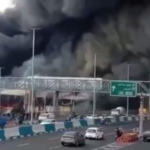
![Hon. Festus Keyamo SAN arrives MMIA past 11:50 p.m. Feb 23 to lead oversight of Terminal 1 fire. Joined FAAN MD & team actively managing situation. Directed morning inspection Tuesday to guide restoration & confirm safety standards. Reaffirmed focus on passenger safety. Story: [link] #KeyamoMMIA #FireIncident #FAAN](https://fullcliphq.com/wp-content/uploads/2026/02/mym-150x150.jpg "MMIA Fire: Keyamo Inspects Lagos Airport After Terminal 1 Blaze Disrupts Flights")
























































































































































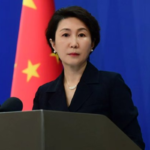





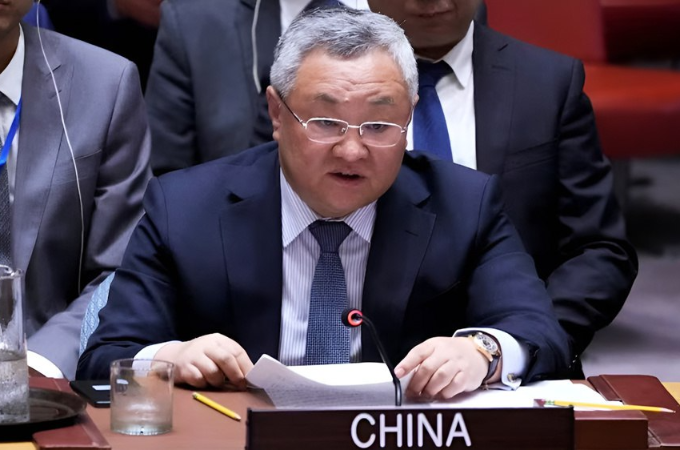
China has issued a stark warning that any US-led military action against Iran risks plunging West Asia into an “abyss of unpredictability,” calling for restraint and political dialogue amid escalating tensions and threats of force.
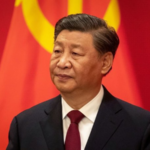
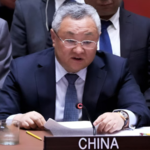
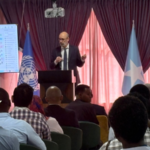
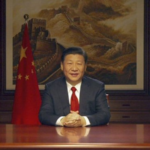
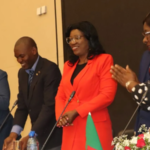
Speaking at the UN Security Council on Wednesday, January 28, 2026, China’s Permanent Representative Fu Cong expressed deep concern over the intensifying situation surrounding Iran. He stated that the threat of war has drawn global attention and urged all parties to avoid actions that could lead to catastrophic consequences.
The Significance: A Test of Global Multilateralism
This warning from Beijing marks one of its most forceful diplomatic interventions in 2026, signaling that China views a potential conflict in the Persian Gulf as a direct threat to global economic stability. By positioning itself as the “voice of restraint,” China is attempting to contrast its diplomatic approach with the “armada” strategy of the current US administration.
China’s Position on Sovereignty and Multilateralism
Fu reiterated China’s longstanding support for Iran’s sovereignty, security, territorial integrity, and right to determine its own future without external interference. He affirmed Beijing’s backing for Iran’s stability and stressed that the country’s path must be decided solely by its own people.
He also restated China’s broader principles on international relations:
“The use of force cannot solve problems. Any acts of military adventurism will only push the region into an abyss of unpredictability. We call on all parties to abide by the purposes and principles of the UN Charter, oppose interference in other countries’ internal affairs, and reject the use or threat of force in international relations.”
Fu rejected efforts to turn West Asia into an arena for external power struggles, insisting the region belongs to its own people and should not be sacrificed to geopolitical games.
Context of Escalating Tensions
The remarks come amid heightened rhetoric and military movements that have brought the region to the brink:
-
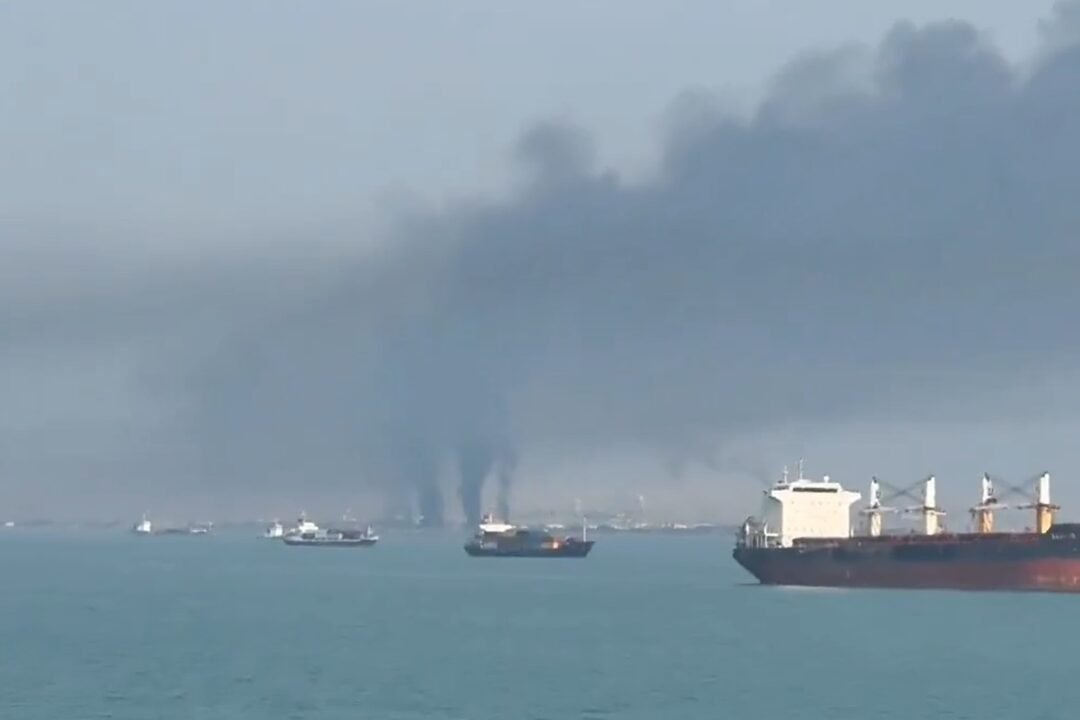
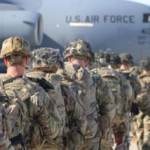
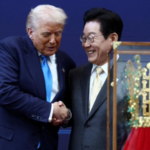
The US “Armada”: US President Donald Trump has repeatedly threatened military action against Iran, recently stating an “armada” of naval vessels is heading toward the region to enforce maximum deterrence.
-
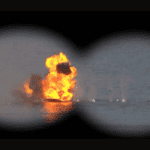
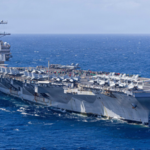
Naval Presence: The USS Abraham Lincoln aircraft carrier strike group has already been deployed to West Asia near Iran, a move that China claims is “adding fuel to the fire.”
-
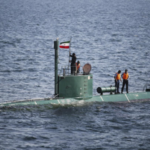
Iranian Readiness: Iran has warned of a “regret-inducing response” to any aggression. IRGC Deputy Commander Brigadier General Ahmad Vahidi stressed full readiness to respond decisively to any violation of Iranian territorial waters.
Broader Implications: Energy and the Belt & Road
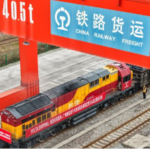
China’s statement reflects its strategic interest in Middle East stability to protect its vast Belt and Road Initiative (BRI) investments and energy imports. As the world’s largest importer of crude oil, any disruption to the Strait of Hormuz would have an immediate, negative impact on China’s manufacturing and transport sectors.
Beijing has deepened ties with Iran through:
-
Economic Cooperation: Continuing oil purchases despite unilateral US sanctions.
-
Strategic Mediation: Building on the 2023 Saudi-Iran rapprochement to present itself as a stable alternative to US military presence.
-
Diplomatic Support: Providing a consistent “no-intervention” vote at the UN Security Council.
Current Status
No immediate military action has been taken by the US beyond existing deployments. Diplomatic channels remain active, but rhetoric from both sides continues to rise.
Informed observers warn that with the “armada” nearing the Gulf, the window for a de-escalation brokered by China or the OIC is narrowing.