




















![Hon. Festus Keyamo SAN arrives MMIA past 11:50 p.m. Feb 23 to lead oversight of Terminal 1 fire. Joined FAAN MD & team actively managing situation. Directed morning inspection Tuesday to guide restoration & confirm safety standards. Reaffirmed focus on passenger safety. Story: [link] #KeyamoMMIA #FireIncident #FAAN](https://fullcliphq.com/wp-content/uploads/2026/02/mym-150x150.jpg "MMIA Fire: Keyamo Inspects Lagos Airport After Terminal 1 Blaze Disrupts Flights")



















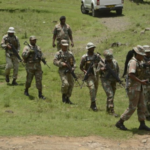





























































































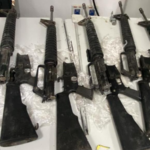















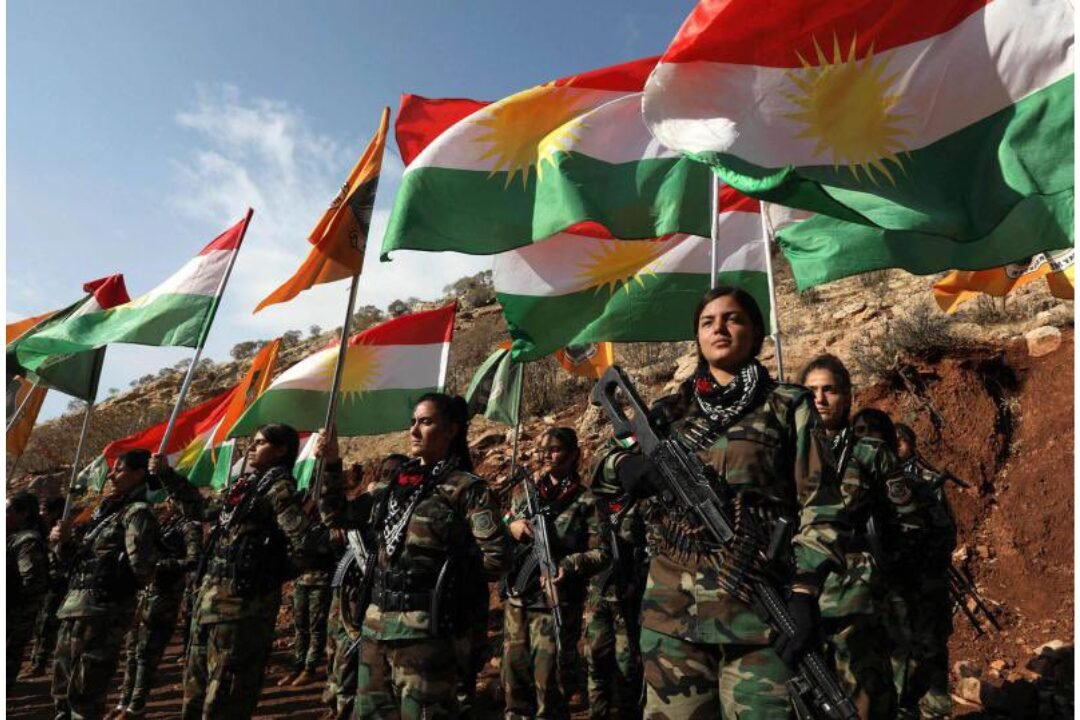
The Central Intelligence Agency (CIA) is arming Kurdish forces with the objective of fomenting a popular uprising against the Iranian regime, according to multiple sources familiar with the strategy.
The initiative involves active coordination with Iranian opposition groups and Kurdish leaders in Iraq, as part of broader US strategy amid the ongoing conflict between the United States, Israel, and Iran.
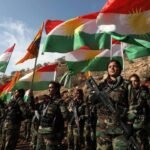
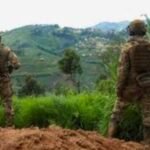
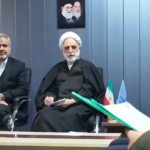
Iranian Kurdish armed groups, which maintain thousands of fighters primarily along the Iraq-Iran border in Iraq’s Kurdistan region, have issued public statements since the conflict’s escalation urging Iranian military personnel to defect and signaling readiness for action. Several of these groups have been targeted by Iranian Islamic Revolutionary Guard Corps (IRGC) drone strikes in recent days.
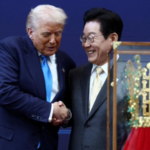
On March 2, 2026, President Donald Trump held a telephone conversation with Mustafa Hijri, president of the Democratic Party of Iranian Kurdistan (KDPI), one of the groups hit by IRGC attacks, according to a senior Iranian Kurdish official. A separate call on March 1 involved Trump and Iraqi Kurdish leaders to discuss potential collaboration as US military operations in Iran continue.
The discussions center on providing military support to enable Kurdish forces to engage Iranian security forces, potentially creating diversions that would allow unarmed civilians in major Iranian cities to protest without facing severe repression. Sources indicate the plan could involve Kurdish groups taking and holding territory in northwestern Iran to establish a buffer zone beneficial to Israel, or stretching Iranian military resources across multiple fronts.
Any weapons transfers would require cooperation from Iraqi Kurdish authorities to facilitate transit and use Iraqi Kurdistan as a staging area. Israeli strikes on Iranian military and police positions along the Iraq border in recent days are seen by some sources as preparatory steps to enable such operations.
US intelligence assessments have long noted that Iranian Kurdish groups currently lack the scale, influence, or unified structure to independently trigger a successful nationwide uprising. The factions are divided by ideology, history, and competing priorities, raising concerns among some US officials about their motivations and the reliability of cooperation. Questions persist about whether their interests fully align with US objectives, and whether US support could lead to renewed accusations of abandonment if the effort falters.
The CIA has a longstanding relationship with Kurdish factions in Iraq dating back decades, including during the Iraq War and the campaign against ISIS. The agency maintains an outpost in Iraqi Kurdistan near the Iranian border, and US forces operate from bases in Erbil as part of anti-ISIS efforts.
Informed observers view the reported plan as an attempt to “jump-start” internal regime change by empowering a proxy force, given that most Iranian civilians remain unarmed and past protests have been suppressed. Former officials have expressed caution about the risks, including potential erosion of Iraqi sovereignty, empowerment of unaccountable militias, and unintended escalation along the volatile Iraq-Iran border.
The reported Kurdish involvement follows days of US and Israeli airstrikes on Iranian targets and Iranian retaliatory missile and drone attacks on Israel and US-affiliated sites in the Gulf. No official confirmation from the CIA or the Trump administration has been issued regarding the arming efforts.
The developments highlight the complex interplay of proxy forces, ethnic dynamics, and geopolitical strategy in the region, as the US seeks to pressure the Iranian regime amid active hostilities.