

































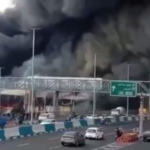
![Hon. Festus Keyamo SAN arrives MMIA past 11:50 p.m. Feb 23 to lead oversight of Terminal 1 fire. Joined FAAN MD & team actively managing situation. Directed morning inspection Tuesday to guide restoration & confirm safety standards. Reaffirmed focus on passenger safety. Story: [link] #KeyamoMMIA #FireIncident #FAAN](https://fullcliphq.com/wp-content/uploads/2026/02/mym-150x150.jpg "MMIA Fire: Keyamo Inspects Lagos Airport After Terminal 1 Blaze Disrupts Flights")





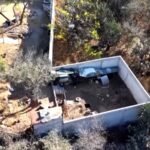
















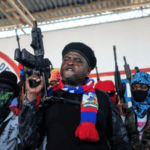











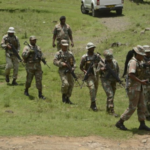















































































































































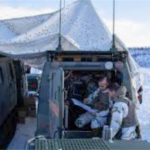













Mexican federal authorities have confirmed that Nemesio Rubén Oseguera Cervantes, the elusive leader of the Jalisco New Generation Cartel (CJNG) known as “El Mencho,” was killed during a high-intensity military operation conducted in Tapalpa, Jalisco, on Sunday, February 22.
The 59-year-old cartel chief sustained multiple gunshot wounds in a prolonged firefight with elite special-forces units attempting to capture him alive. He was airlifted toward Mexico City for emergency treatment but succumbed to his injuries en route. Several high-ranking CJNG members were also killed in the initial clash and during follow-up engagements.
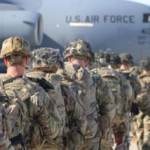
U.S. intelligence agencies played a key supporting role in the mission, providing real-time information that helped locate the target. The operation reflects deepened security cooperation between Washington and Mexico City amid escalating pressure to disrupt the flow of fentanyl and other synthetic opioids crossing the border.
Born July 17, 1966, in the avocado-producing town of Aguililla, Michoacán, Oseguera Cervantes grew up in poverty in the Tierra Caliente region. After leaving school early to work the fields, he crossed illegally into the United States in the 1980s, settling in California where he accumulated several drug-related arrests before being deported in the early 1990s. Returning to Mexico, he briefly served as a municipal police officer before entering organized crime through the Milenio Cartel. When that group fractured after the arrest or death of its main leaders, he broke away and co-founded the CJNG between 2009 and 2011 (with organizational roots traceable to 2007).
Under his direction, the CJNG transformed from a regional Jalisco outfit into one of Mexico’s most feared and expansive criminal enterprises, challenging the Sinaloa Cartel for dominance. The group diversified revenue streams beyond drug trafficking to include extortion, illegal fuel theft (huachicol), avocado extortion, illegal logging, and migrant smuggling. It established a presence in dozens of countries and reportedly operated cells in every U.S. state.
El Mencho evaded capture for more than a decade despite a U.S. State Department reward reaching $15 million and repeated designation as a priority target for fentanyl production and distribution. The CJNG became one of the principal suppliers of the synthetic opioid to the United States, synthesizing it from Chinese precursors in clandestine laboratories and pressing it into counterfeit prescription pills that have fueled the ongoing overdose epidemic.
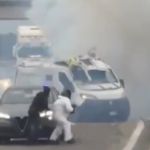
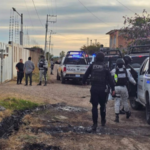
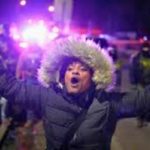
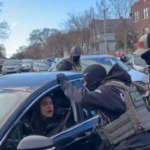
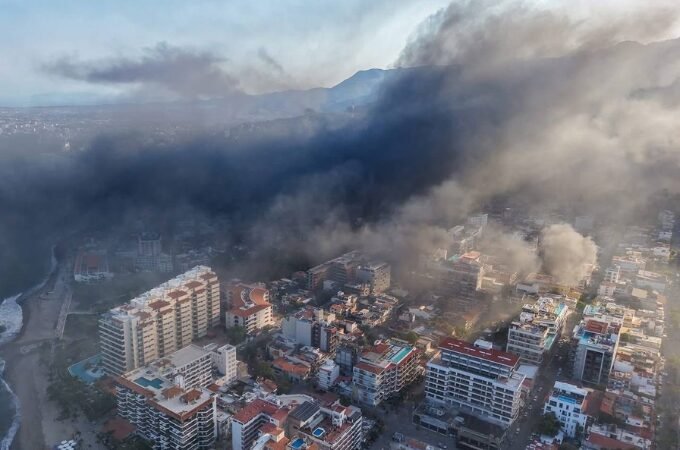
His death represents one of the most consequential strikes against Mexican organized crime in recent history. Within hours of the raid, CJNG affiliates launched coordinated retaliation: over 250 roadblocks using torched vehicles appeared across at least 20 states, resulting in direct confrontations with security forces that left at least nine personnel dead. Major highways were paralyzed, numerous flights -especially to tourist destinations such as Puerto Vallarta and Guadalajara – were canceled, and thousands of travelers were stranded or rerouted. Most blockades have since been dismantled, but sporadic violence and heightened security risks persist.
In the short term, the loss of El Mencho is expected to create significant internal disruption within the CJNG as competing factions struggle for leadership. Informed observers anticipate a temporary slowdown in fentanyl production and cross-border shipments as resources shift toward power struggles. However, historical patterns following the capture of figures like Joaquín “El Chapo” Guzmán show cartels frequently adapt by fragmenting into smaller, often more volatile cells or forging new alliances. Without dismantling precursor supply chains and laboratory networks, any reduction in fentanyl availability may prove fleeting.
President Claudia Sheinbaum described the operation as a “great development” for Mexico’s security strategy and appealed for calm while security forces restored order. U.S. officials, including the White House, acknowledged their intelligence contribution and welcomed the outcome as a step forward in bilateral efforts against transnational organized crime.
The situation remains highly volatile. Authorities strongly advise residents and visitors to follow real-time updates from the Secretariat of National Defense (Sedena), state governments, and embassy/consulate security alerts, particularly in Jalisco and neighboring states. Travelers are advised to avoid non-essential road journeys and prepare alternative plans.