



















![Hon. Festus Keyamo SAN arrives MMIA past 11:50 p.m. Feb 23 to lead oversight of Terminal 1 fire. Joined FAAN MD & team actively managing situation. Directed morning inspection Tuesday to guide restoration & confirm safety standards. Reaffirmed focus on passenger safety. Story: [link] #KeyamoMMIA #FireIncident #FAAN](https://fullcliphq.com/wp-content/uploads/2026/02/mym-150x150.jpg "MMIA Fire: Keyamo Inspects Lagos Airport After Terminal 1 Blaze Disrupts Flights")
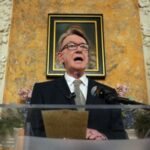












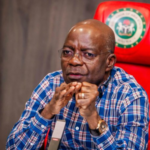









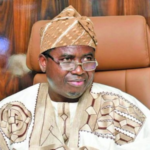



















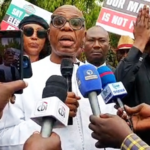













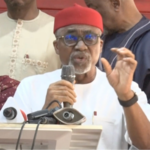










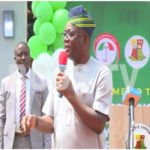
































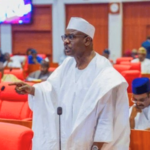












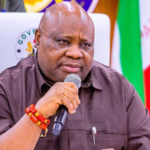

























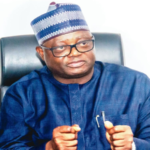

































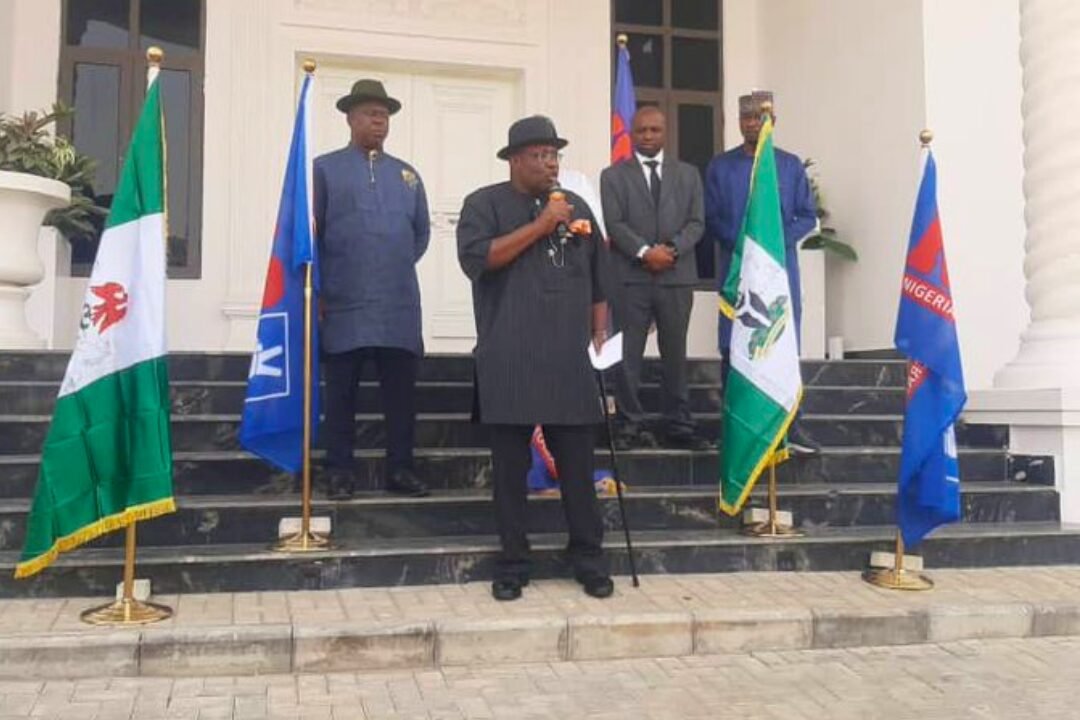
Senator Seriake Dickson, former governor of Bayelsa State (2012 – 2020) and current senator for Bayelsa West, has resigned from the Peoples Democratic Party (PDP) and formally launched a new political party, the Nigeria Democratic Congress (NDC).
He warns that Nigeria is sliding toward a one-party state unless strong opposition and credible alternatives are urgently rebuilt to sustain democratic competition and accountability.
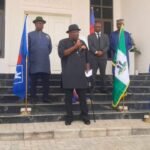
Speaking to supporters, political associates and stakeholders yesterday, Dickson said the decision followed months of consultations and deep reflection on the health of Nigeria’s democracy and the internal crises within the PDP. He described the NDC as a broad-based platform to mobilize Nigerians across ethnic, regional and ideological lines who are concerned about democratic erosion and who seek genuine alternatives focused on good governance, transparency and inclusive development.
“We cannot sit back and watch the country drift into what is effectively a one-party state,” Dickson declared. “Democracy thrives on strong opposition, healthy debate and credible alternatives. That is what we intend to build with the NDC.”
Seriake Dickson’s Political Background
Seriake Dickson’s career spans over three decades of legislative and executive roles, with a consistent focus on Niger Delta development, fiscal federalism and institutional reform.
He began in the Third Republic with the Social Democratic Party (SDP) and joined the PDP at its founding in 1998. He served as a member of the Bayelsa State House of Assembly (1999 – 2003), becoming Majority Leader. He was elected to the House of Representatives (2003 – 2011) for Sagbama/Ekeremor constituency, where he chaired the House Committee on Niger Delta Development Commission (NDDC) and played a key role in shaping early NDDC funding and project frameworks.
In 2012, Dickson won the Bayelsa governorship on the PDP ticket and was re-elected in 2016, serving two full terms until 2020. His administration prioritized infrastructure (roads, bridges, schools, hospitals), education (free tuition, school feeding), youth empowerment and security in the Niger Delta. He transformed Yenagoa into a more modern capital and advocated strongly for increased derivation revenue for oil-producing states.
After leaving office, he was elected senator for Bayelsa West in 2020 on the PDP platform. He has been a vocal proponent of restructuring, resource control and devolution of powers – positions that occasionally put him at odds with PDP national leadership. He was active in the party’s 2023 presidential primaries and later criticized internal party democracy and direction.
A New National Platform
Dickson’s resignation from PDP and launch of NDC represent his most significant political shift, moving from internal reform to building a new national platform. He stressed the NDC is not a personal project but a response to broader democratic decline. He voiced alarm at the weakening of opposition politics and power concentration, warning that without competition, accountability and checks and balances would suffer. The NDC, he said, would offer a home for marginalized citizens and a renewed vision for national progress.
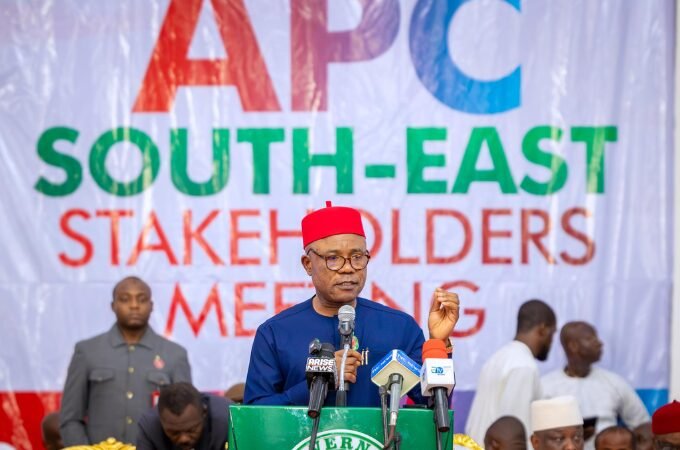
The announcement coincides with other political shifts. The All Progressives Congress (APC) postponed ward, local council and state congresses in Zamfara State until further notice, citing preparatory needs. APC notified INEC in a March 2, 2026 letter signed by National Chairman Prof Nentawe Yilwatda and National Secretary Senator Surajudeen Basiru. Only delegate elections for the National Convention were approved in Zamfara.
Speculation has also grown in Jigawa over a possible defection by former Defence Minister Muhammed Abubakar from APC to the African Democratic Congress (ADC), despite earlier denials. Dickson’s move adds to a pattern of high-profile defections and new party formations ahead of 2027, reflecting dissatisfaction with previously dominant parties and rising concern about Nigeria’s multi-party democracy.