






































![Hon. Festus Keyamo SAN arrives MMIA past 11:50 p.m. Feb 23 to lead oversight of Terminal 1 fire. Joined FAAN MD & team actively managing situation. Directed morning inspection Tuesday to guide restoration & confirm safety standards. Reaffirmed focus on passenger safety. Story: [link] #KeyamoMMIA #FireIncident #FAAN](https://fullcliphq.com/wp-content/uploads/2026/02/mym-150x150.jpg "MMIA Fire: Keyamo Inspects Lagos Airport After Terminal 1 Blaze Disrupts Flights")

































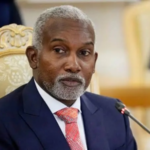











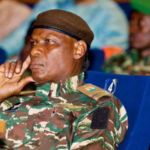












































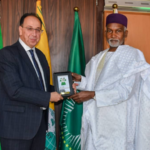



























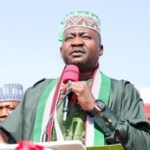




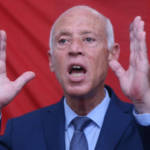





































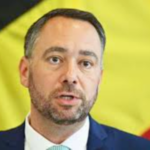



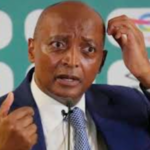























































The Gabonese government has intensified its defense of a nationwide suspension of Meta-owned platforms, characterizing the move as a vital exercise of national sovereignty.
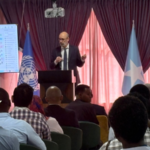
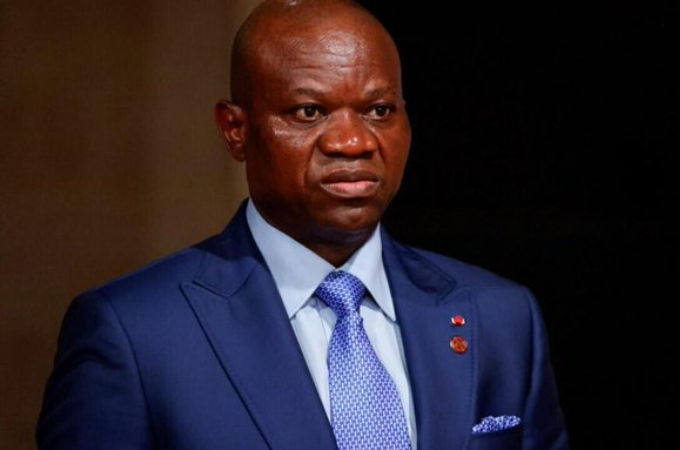
Appearing on international broadcasts including TV5 Monde, Théophane Nzamé-Nzé-Biyoghe joined other officials in framing the indefinite block as a necessary response to big tech’s failure to regulate harmful content within Gabonese borders.
The restriction, implemented on February 17, 2026, by the High Authority for Communication (HAC), has effectively severed access to Facebook, Instagram, and WhatsApp. While critics view the move as a crackdown on dissent during a period of intense labor strikes, the Presidency maintains it is a “targeted recalibration” of the digital landscape.
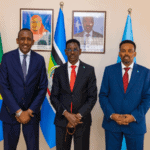
HAC spokesperson Jean-Claude Mendome and presidential spokesperson Nzamé-Nzé-Biyoghe outlined the government’s stance:
-
Failure to Moderate: Officials claim they spent over 18 months flagging defamatory and hateful content to Meta with no meaningful resolution. The block is described as a “strong signal” intended to bring the company to the negotiating table.
-
National Security: The presidency linked the surge in “coordinated misinformation” to ongoing civil unrest. Teachers and public sector workers have been on strike since December 2025, and officials argue that unregulated digital spaces are being used to stoke division.
-
Cultural Safeguards: The HAC specifically cited a rise in graphic violence and “unauthorized disclosure of personal data” as violations of the country’s 2016 Communications Code.
A Global Context of Digital Restrictions
Gabon’s move mirrors a growing international trend where states exert control over social media to address perceived domestic threats:
-
Nigeria (2021): The government famously banned Twitter for seven months, restoring access only after the company agreed to local tax registration and a physical office in the country.
-
Australia & Malaysia (2025-2026): Both nations recently implemented strict age-verification laws and “eKYC” (Electronic Know Your Customer) requirements for social media users under 16.
-
Iran & Myanmar: Governments in these regions have frequently used platform-specific throttling to control narratives during periods of intense political transition.
Digital Rights and the African Landscape
As of February 2026, Africa is navigating a complex shift in digital rights. While the continent is expected to have over 50 comprehensive data protection laws by mid-year, the enforcement of these laws is increasingly being used to justify shutdowns.
-
Economic Impact: Connectivity monitors like NetBlocks confirm that the current block affects approximately 850,000 active users in Gabon. Data from Top10VPN suggests that internet shutdowns cost African economies over $1.1 billion in 2025 alone.
-
Sovereignty vs. Rights: While the Gabonese government maintains that “freedom of expression remains a fundamental right,” it insists that this right does not supersede the state’s responsibility to maintain social cohesion and public order.
The presidency maintains the measure is temporary and reversible, contingent on the outcome of talks with Meta, which reportedly initiated contact within hours of the suspension.