



























![Hon. Festus Keyamo SAN arrives MMIA past 11:50 p.m. Feb 23 to lead oversight of Terminal 1 fire. Joined FAAN MD & team actively managing situation. Directed morning inspection Tuesday to guide restoration & confirm safety standards. Reaffirmed focus on passenger safety. Story: [link] #KeyamoMMIA #FireIncident #FAAN](https://fullcliphq.com/wp-content/uploads/2026/02/mym-150x150.jpg "MMIA Fire: Keyamo Inspects Lagos Airport After Terminal 1 Blaze Disrupts Flights")
























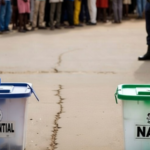






















































































































































The Independent National Electoral Commission (INEC) has formally told the National Assembly that it needs N873.78 billion to successfully conduct the 2027 general elections across Nigeria.
The commission also proposed N171 billion for its routine operations and activities during the 2026 fiscal year.
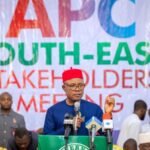
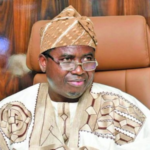
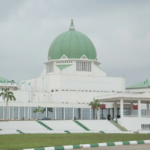
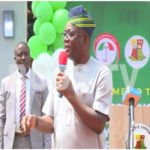
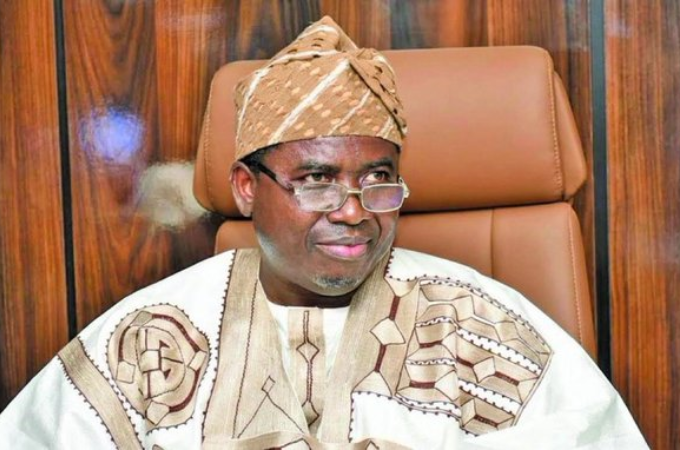
INEC Chairman Professor Joash Amupitan presented these figures during a budget defense session before the joint National Assembly Committee on Electoral Matters in Abuja on Thursday, February 12, 2026. The election budget represents a sharp rise from the N313.4 billion released for the 2023 general elections, a jump attributed to inflationary pressures and significant investments in technological upgrades.
The 2027 figure covers the full cost of nationwide presidential, National Assembly, governorship, and state assembly polls. The N171 billion for 2026 includes funding for routine functions, by-elections, off-cycle governorship contests in Ekiti and Osun states, and the Federal Capital Territory (FCT) Area Council elections scheduled for February 21, 2026.
Budget Breakdown (N873.78 Billion)
Professor Amupitan divided the 2027 election budget into five primary categories:
-
N379.75 billion for operational expenses (logistics, personnel, and materials).
-
N209.21 billion for technological infrastructure (BVAS maintenance and IReV enhancements).
-
N154.91 billion for capital expenditure related to election preparations.
-
N92.32 billion for administrative overheads.
-
N42.61 billion for miscellaneous costs.
He noted that this proposal does not yet incorporate a separate request from the National Youth Service Corps (NYSC) for higher ad hoc staff allowances. The joint committee indicated it would consider a N32 billion supplement to raise corps members’ election duty allowances to N125,000 each.
Operational Challenges and Legislative Reform
Professor Amupitan criticized the current “envelope budgeting” system, arguing that it restricts the commission’s flexibility to respond to unforeseen activities like emergency by-elections. He also highlighted the persistent need for a dedicated, independent communications network to ensure the accountability of electronic systems during polling.
Lawmakers, led by Senator Simon Bako Lalong and Hon. Adebayo Balogun, signaled support for a one-time release of the annual budget to facilitate early planning. However, they cautioned INEC against over-promising on technological transparency, citing the public friction caused by IReV delays during the 2023 cycle.
Senator Adeniyi Adegbonmire (SAN), currently reviewing the 2026 Electoral Bill, clarified that while electronic transmission is being debated, it does not equate to “e-voting.” He stressed that results are still manually counted at polling units before any digital upload, maintaining the primacy of physical records.