

































![Hon. Festus Keyamo SAN arrives MMIA past 11:50 p.m. Feb 23 to lead oversight of Terminal 1 fire. Joined FAAN MD & team actively managing situation. Directed morning inspection Tuesday to guide restoration & confirm safety standards. Reaffirmed focus on passenger safety. Story: [link] #KeyamoMMIA #FireIncident #FAAN](https://fullcliphq.com/wp-content/uploads/2026/02/mym-150x150.jpg "MMIA Fire: Keyamo Inspects Lagos Airport After Terminal 1 Blaze Disrupts Flights")













































































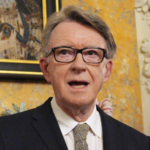


























































































Members of Parliament have approved the release of documents related to Lord Peter Mandelson’s appointment as UK ambassador to the United States, following intense pressure from angry Labour backbenchers that forced the government into a significant concession.
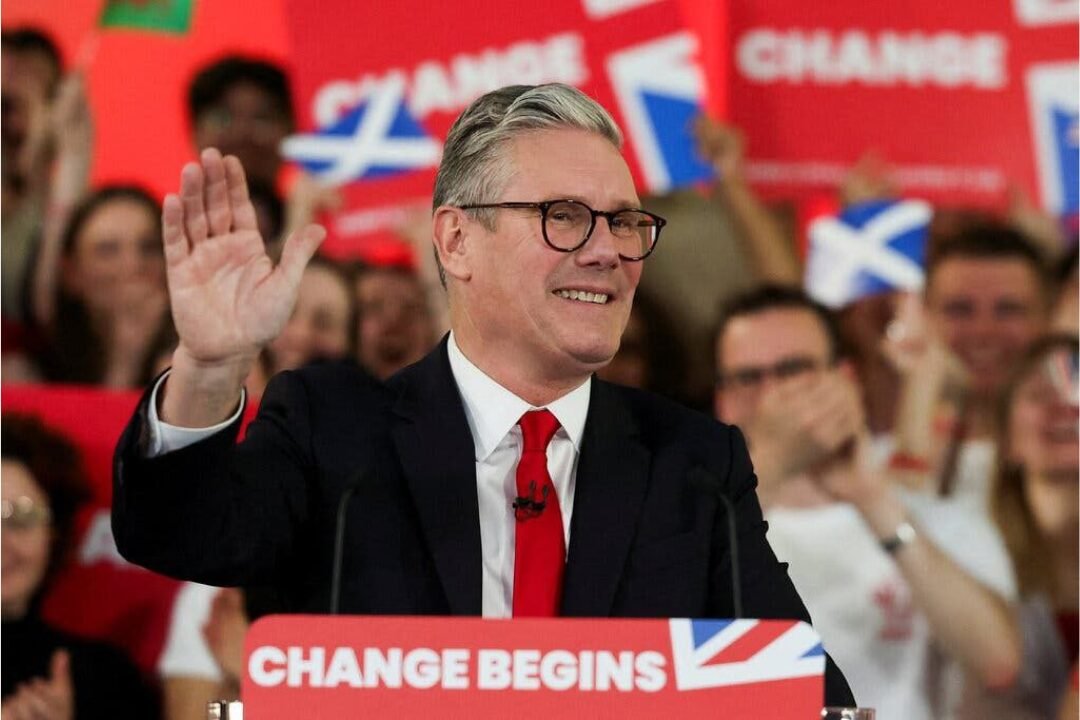
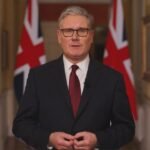
The decision came after a dramatic Commons session in which Prime Minister Sir Keir Starmer initially resisted full disclosure but ultimately agreed to involve a cross-party parliamentary committee in reviewing sensitive material.
The files – which could reveal what the government knew about Lord Mandelson’s long-standing relationship with disgraced financier Jeffrey Epstein – were at the centre of the debate. Sir Keir told MPs he wanted transparency but insisted nothing would be published that could damage national security or diplomatic relations. That position quickly unravelled after senior Labour figures, including former deputy leader Angela Rayner, urged ministers to change course. The government then conceded that sensitive documents would be referred to the Intelligence and Security Committee of Parliament (ISC) for review before any final decision on publication.
Sir Keir publicly admitted he had been misled about the “sheer depth and extent” of Lord Mandelson’s friendship with Epstein. “He lied repeatedly to my team when asked about his relationship with Epstein before and during his tenure as ambassador. I regret appointing him,” the Prime Minister said. “If I knew then what I know now, he would never have been anywhere near government.” He added that he had been aware of the former business secretary’s ongoing contact with Epstein – a convicted sex offender who died in 2019 – at the time of the appointment, intensifying anger on Labour benches.
The Metropolitan Police have launched a criminal investigation into allegations that Lord Mandelson passed sensitive government information to Epstein while serving as a cabinet minister under Gordon Brown. Emails released by the US Department of Justice appear to show Mandelson forwarding an internal Downing Street memo in 2009 discussing possible government asset sales, as well as advance notice of a €500 billion EU bailout for the Euro in 2010. Other messages suggest Epstein made $75,000 in payments to Mandelson in three separate $25,000 transactions in 2003 and 2004. Lord Mandelson has said he has no record or recollection of the payments and has apologised for continuing the friendship after Epstein’s 2008 conviction, claiming he believed “lies he told me and so many others.”
Lord Mandelson was sacked as ambassador last year after new revelations about the depth of his Epstein ties emerged. He has since resigned from the Labour Party after more than four decades, stepped down from the House of Lords, and faces steps to remove his lifetime Privy Council membership. The government is drafting legislation to formally strip his peerage.
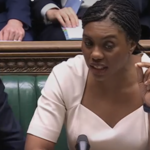
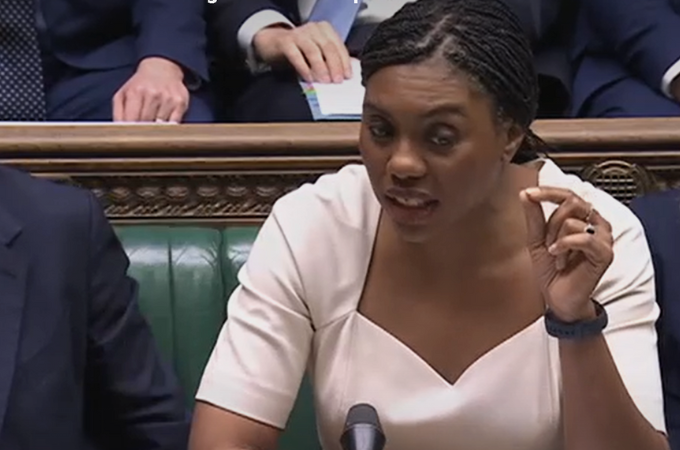
Conservative leader Kemi Badenoch accused the government of trying to “sabotage” the disclosure process, stating: “This is not about national security, this is about his job security.” She claimed her party’s motion to release documents forced Number 10 to “come clean.” Cabinet Office minister Chris Ward said the government wanted to publish as quickly as possible but noted discussions with the Metropolitan Police were necessary to avoid undermining their investigation.
Labour MPs expressed fury at the handling of the issue. Rebecca Long-Bailey called the appointment a “catastrophic misjudgement” with “huge questions to be answered.” Barry Gardiner accused Sir Keir of trying to “duck and hide behind process” and said backbenchers were left “squirming.” Some questioned whether the Prime Minister should consider his position.
The government’s climbdown – referring sensitive material to the ISC – demonstrated the influence of senior backbenchers, particularly Rayner, who led the push for change. The episode has left Sir Keir’s authority weakened and highlighted deep unease within Labour over the handling of the scandal.
As the police investigation continues and the ISC prepares to review documents, the Mandelson affair remains a major political and reputational crisis for the government, raising questions about vetting processes, transparency, and accountability at the highest levels.
Who is Peter Mandelson?
For decades, Peter Mandelson was one of the most formidable and polarizing figures in British politics. Known as the “Prince of Darkness” for his mastery of political “spin” and his ruthless tactical mind, he was a primary architect of the “New Labour” project that brought Tony Blair to power in 1997.
-
The Kingmaker: Alongside Tony Blair and Gordon Brown, he rebranded the Labour Party, moving it toward the political center and securing three consecutive election victories.
-
A Career of Comebacks: Mandelson is unique in British history for having resigned from the Cabinet twice under scandal – once in 1998 over an undisclosed home loan and again in 2001 over a passport inquiry – only to return to high office both times. He later served as European Commissioner for Trade and as First Secretary of State under Gordon Brown.
-
The Ultimate Insider: As the grandson of former Deputy PM Herbert Morrison, Mandelson’s influence spanned generations. Even after Labour left power in 2010, he remained a powerful behind-the-scenes advisor, most recently as a core part of Keir Starmer’s inner circle prior to his ill-fated 2024 ambassadorship.