














































![Hon. Festus Keyamo SAN arrives MMIA past 11:50 p.m. Feb 23 to lead oversight of Terminal 1 fire. Joined FAAN MD & team actively managing situation. Directed morning inspection Tuesday to guide restoration & confirm safety standards. Reaffirmed focus on passenger safety. Story: [link] #KeyamoMMIA #FireIncident #FAAN](https://fullcliphq.com/wp-content/uploads/2026/02/mym-150x150.jpg "MMIA Fire: Keyamo Inspects Lagos Airport After Terminal 1 Blaze Disrupts Flights")

















































































































































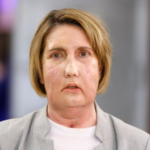


























































































































































































A 25-year-old Nigerian-born registered nurse, Chimzuruoke Okembunachi, has had her registration cancelled by the New South Wales Civil and Administrative Tribunal (NCAT) after being found asleep on multiple night shifts while solely responsible for approximately 100 elderly residents at Hardi Aged Care in Guildford, western Sydney.
The tribunal’s January 2026 decision followed a referral from the Health Care Complaints Commission, determining that her conduct constituted professional misconduct and posed a risk to public safety. She is prohibited from reapplying for registration for a minimum of nine months.
The Incidents
Okembunachi began working at Hardi Aged Care in February 2024 after completing her Bachelor of Nursing Science at the University of the Sunshine Coast in 2021. Between March 13 and 27, 2024, she worked 15 consecutive night shifts as the sole registered nurse on duty, supervising three to four assistants-in-nursing and overseeing care for around 100 residents—many requiring complex support, including regular medication administration, pain management, and emergency readiness.
Tribunal evidence showed that on at least six of those shifts, she was found asleep at the nurses’ station. This contributed to at least three documented instances where residents did not receive scheduled medications, including prescribed morphine. On one occasion, she directed an unauthorized assistant-in-nursing to administer Panadol to a resident in pain, breaching protocols. Colleagues formally raised concerns on March 27, 2024. She was suspended the next day and invited to a meeting, after which she resigned without attending. The case escalated to NCAT.
Tribunal Findings and Okembunachi’s Response
The tribunal found her actions carried the potential to endanger patient lives. It noted she presented with sincerity, accepted full accountability, and described the events as a “significant personal lesson.” She outlined pressures she faced: ongoing migraines affecting concentration and rest, concurrent enrollment in a graduate medical program at Western Sydney University (including an unsuccessful mid-year anatomy exam and subsequent leave), and substantial family obligations, including financial support for her younger sister’s scoliosis surgery.
“When I slept on night shift, I failed in supervising those staff members and the residents… I was also being paid to work, not sleep,” she told the tribunal. The panel acknowledged her candor, genuine remorse, and clean prior record. She has not practiced nursing since suspension and is currently supported by family and government assistance while pursuing medical studies. She expressed a desire to return to nursing in the future, subject to safeguards around shift patterns.
Systemic Issues Highlighted
The case underscores profound challenges in aged care nursing, particularly solitary night duty with high resident loads. Fatigue, compounded by personal health issues, academic demands, and family responsibilities, can impair performance with serious consequences. Fellow Nurses Africa, which reported the case, advocates for enforceable safe staffing standards—especially for night shifts in residential aged care—structured fatigue risk management, accessible support pathways for nurses facing health or personal challenges, and a workplace culture encouraging timely disclosure without fear of immediate sanction.
Patient safety and nurse well-being are linked: when either is compromised, the system suffers. The review calls for stronger safeguards and reform to ensure nursing remains sustainable and compassionate.