















































![Hon. Festus Keyamo SAN arrives MMIA past 11:50 p.m. Feb 23 to lead oversight of Terminal 1 fire. Joined FAAN MD & team actively managing situation. Directed morning inspection Tuesday to guide restoration & confirm safety standards. Reaffirmed focus on passenger safety. Story: [link] #KeyamoMMIA #FireIncident #FAAN](https://fullcliphq.com/wp-content/uploads/2026/02/mym-150x150.jpg "MMIA Fire: Keyamo Inspects Lagos Airport After Terminal 1 Blaze Disrupts Flights")











































































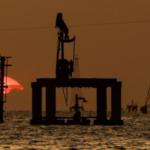

























































































































































































































































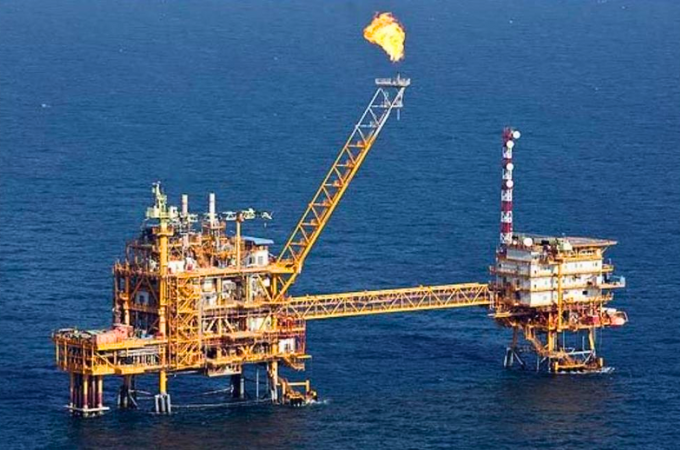
Global oil benchmarks extended their retreat on Tuesday, February 3, 2026, as traders aggressivey unwound geopolitical risk premiums following signals of a potential diplomatic breakthrough between Washington and Tehran.
The decline was further exacerbated by a surging U.S. dollar, fueled by the nomination of a hawkish new Federal Reserve Chair.
Brent crude futures fell 34 cents, or 0.5%, to $65.96 per barrel by 06:23 GMT, while U.S. West Texas Intermediate (WTI) declined 32 cents, or 0.5%, to $61.81. These moves follow a sharp 4% sell-off during Monday’s session, the largest single-day drop since late 2025, after U.S. President Donald Trump indicated that Iran was “seriously talking” about a new nuclear and security framework.
The “Trump-Iran” Diplomatic Pivot
The sudden cooling of tensions has dramatically deflated the “war premium” that had pushed Brent toward the $70 mark just last week. Fears of imminent military strikes on Iranian nuclear facilities had dominated January, but a shift in rhetoric over the weekend has redirected market attention toward a possible Friday summit in Turkey.
President Trump told reporters on Monday that he hoped to negotiate a deal that would be “satisfactory with no nuclear weapons,” while Tehran’s top security official, Ali Larijani, confirmed via social media that arrangements for formal talks are underway. Informed observers suggest that the potential return of Iranian barrels to the global market—should sanctions be eased—is now being priced in by speculators.
The “Warsh Effect” and Dollar Strength
Adding significant downward pressure to dollar-denominated commodities is the “Warsh Effect.” Following the nomination of Kevin Warsh to succeed Jerome Powell as Federal Reserve Chair, the U.S. dollar index surged to its highest level in over a week. Warsh is widely viewed by the market as a hawk who may favor keeping interest rates “higher for longer” to combat persistent inflation.
As the greenback strengthens, crude becomes more expensive for holders of other currencies, naturally dampening demand in major importing hubs across Asia and Europe. ING analysts noted that the combination of geopolitical de-escalation and a resurgent dollar creates a “perfect storm” for a short-term bearish reversal in energy prices.
Supply Dynamics: India Diches Russian Oil
Market sentiment is also reacting to a massive structural shift in oil flows. Under a new India-US trade deal, New Delhi has committed to halting its purchases of Russian crude in favor of American and Venezuelan supplies. This move is expected to flood the market with “homeless” Russian barrels, potentially leading to deeper discounts and further weighing on global price benchmarks.
| Key Market Indicators (Feb 3, 2026) | Value / Status | Change |
| Brent Crude | $65.96 | -0.5% |
| WTI Crude | $61.81 | -0.5% |
| U.S. Dollar Index (DXY) | 97.29 | +0.43% |
| OPEC+ March Output | Paused Increase | No Change |
Implications for the Nigeria 2026 Budget
For Nigeria, the current price volatility presents a mixed fiscal outlook. Although Brent remains above the $64.85 per barrel benchmark set in the 2026 “Budget of Consolidation,” the rapid erosion of the risk premium threatens the surplus revenue the government had hoped to use for debt servicing.
With production targets still hovering near 1.84 million barrels per day, any sustained dip toward the $60 mark could force the Senate to revisit the ₦58.18 trillion expenditure plan. Local energy experts warn that while the “fiscal breathing room” exists for now, the vulnerability to U.S. foreign policy headlines remains Nigeria’s biggest economic risk factor in the first quarter of the year.