















































![Hon. Festus Keyamo SAN arrives MMIA past 11:50 p.m. Feb 23 to lead oversight of Terminal 1 fire. Joined FAAN MD & team actively managing situation. Directed morning inspection Tuesday to guide restoration & confirm safety standards. Reaffirmed focus on passenger safety. Story: [link] #KeyamoMMIA #FireIncident #FAAN](https://fullcliphq.com/wp-content/uploads/2026/02/mym-150x150.jpg "MMIA Fire: Keyamo Inspects Lagos Airport After Terminal 1 Blaze Disrupts Flights")


































































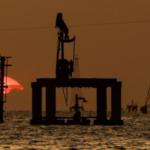

































































































































































































































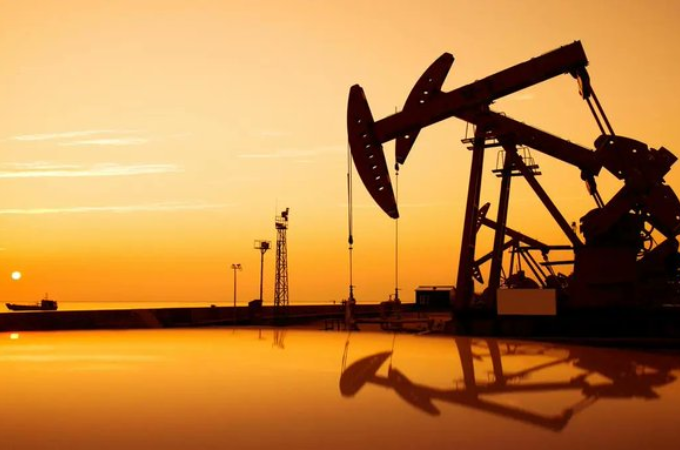
Global oil prices fell sharply on Monday, February 2, 2026, dropping by approximately 3% to as much as 5% in intraday trading, marking one of the steepest single-session declines in over six months.
The sell-off was driven primarily by comments from U.S. President Donald Trump indicating that Iran was “seriously talking” with Washington, significantly reducing fears of imminent military confrontation and unwinding the geopolitical risk premium that had propelled prices to multi-month highs in recent days.
Brent crude futures settled down around $1.90 per barrel, or 2.8%, at $67.39 per barrel by late trading, according to Reuters data. U.S. West Texas Intermediate (WTI) crude fell by a similar margin, declining $1.90 per barrel, or 2.9%, to $63.32 per barrel. Earlier in the session, some market updates reported intraday drops approaching 5% as investors rushed to take profits following the rapid reversal of risk-driven gains.
The market reversal followed a week of heightened tensions between the United States and Iran that had fueled a rally in oil prices. Fears of possible U.S. military strikes on the OPEC member nation—stemming from ongoing disputes over Iran’s nuclear programme, regional proxy activities, and domestic protests—had pushed Brent to a six-month high and WTI near levels not seen since late September 2025. President Trump had repeatedly threatened intervention if Iran failed to negotiate a satisfactory nuclear deal or halt actions against protesters.
Over the weekend, however, Trump shifted his tone, telling reporters that Iran was “seriously talking” with Washington. He expressed hope for a negotiated outcome, stating: “I hope they negotiate something acceptable… You could make a negotiated deal that would be satisfactory with no nuclear weapons.” The comments followed an announcement from Tehran’s top security official, Ali Larijani, who posted on X that arrangements for negotiations were underway.
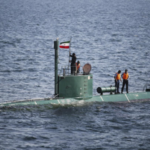
Analysts interpreted these developments as clear signs of de-escalation. IG market analyst Tony Sycamore noted: “The crude oil market is interpreting this as an encouraging step back from confrontation, easing the geopolitical risk premium built into the price during last week’s rally and prompting a bout of profit-taking.” Additional positive signals included reports that Iran’s Revolutionary Guards naval forces had no immediate plans for live-fire exercises in the strategic Strait of Hormuz, a critical chokepoint for roughly 20% of global seaborne crude oil.
OPEC+—the extended group of oil-producing nations including Russia—also agreed over the weekend to maintain current output levels for March, pausing any further planned production increases originally scheduled for early 2026, citing seasonally weaker demand. While the decision provided limited support to prices, it was overshadowed by the geopolitical relief. Despite the sharp drop, some experts cautioned that underlying market fundamentals remain bearish. Capital Economics, in a late-January note, described the oil market as “fundamentally bearish” due to well-supplied inventories and slowing global demand growth. They suggested that while geopolitical risks may temporarily mask this weakness, factors such as the memory of last year’s brief 12-day Israel-Iran conflict and ample global supply could continue to weigh on Brent prices through the end of 2026.
Implications for Nigeria
The price levels remain close to Nigeria’s 2026 budget benchmark of $64.85 per barrel, though the Senate recently approved a lower $60 benchmark citing global volatility. This dip provides a reality check for the Federal Government’s revenue projections, especially with ₦15.52 trillion allocated to debt servicing in the proposed ₦58.18 trillion budget. While the current price of $67.39 still offers a slight cushion, any further slide toward the $60 mark would force a fiscal restructuring. Observers will closely monitor whether the de-escalation leads to a formal nuclear deal framework, which could potentially return more Iranian barrels to the global market, further depressing prices.