









































![Hon. Festus Keyamo SAN arrives MMIA past 11:50 p.m. Feb 23 to lead oversight of Terminal 1 fire. Joined FAAN MD & team actively managing situation. Directed morning inspection Tuesday to guide restoration & confirm safety standards. Reaffirmed focus on passenger safety. Story: [link] #KeyamoMMIA #FireIncident #FAAN](https://fullcliphq.com/wp-content/uploads/2026/02/mym-150x150.jpg "MMIA Fire: Keyamo Inspects Lagos Airport After Terminal 1 Blaze Disrupts Flights")





























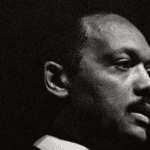













































































































































































































































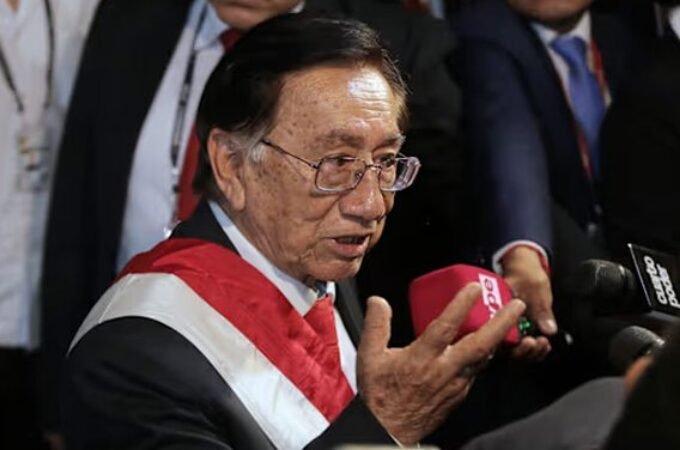
Peru’s single-chamber Congress has chosen veteran congressman José María Balcázar to serve as the country’s temporary president, installing the 83-year-old lawmaker just hours after lawmakers voted to remove his predecessor, José Jerí, from office.
The 130-seat legislature conducted the selection process in a late-evening session. Balcázar, representing the left-leaning Perú Libre party, emerged victorious in a second round of balloting with exactly 60 votes after an earlier tally gave him 46 – short of the 59-vote threshold required for an outright win. A boycott by one political group complicated the initial stage, forcing the follow-up vote.
Balcázar will occupy the presidency for a brief window ending July 28, when the victor of the nationwide election scheduled for April 12 assumes office (with a possible second round in June if no contender surpasses 50%). This short handover period reflects Peru’s persistent governance challenges: since 2016, the nation has cycled through eight presidents, with four ousted via impeachment proceedings and two stepping down voluntarily. The last leader to complete a full five-year term was Ollanta Humala, departing in 2016.
A native of Cajamarca province along the Ecuador frontier, Balcázar trained as a lawyer and spent years in academia and the judiciary before winning a congressional seat in 2021. His earlier role as a temporary Supreme Court justice ended after disciplinary action in 2004 over an effort to reopen a finalized legal ruling. He briefly aligned with the Perú Bicentenario faction mid-term before rejoining Perú Libre. Public scrutiny has followed him in recent years, including inquiries into possible financial irregularities at a regional bar association, alleged ties to a high-profile bribery investigation centered on former Attorney General Patricia Benavides, and statements made in 2023 parliamentary discussions opposing a ban on child marriage.
Conservative lawmakers reacted strongly to the outcome. Patricia Juárez, a prominent figure in the Fuerza Popular party, took to social media to voice frustration, describing the result as a reversal of long-standing efforts to keep congressional power away from leftist hands and warning of risks to national direction.
Jerí’s exit triggered the leadership change. The 39-year-old conservative assumed the presidency in October 2025 after serving as Congress president and presiding over the impeachment of Dina Boluarte. His four-month tenure collapsed February 17 when Congress voted him out on grounds of “moral incapacity,” driven by a cascade of allegations: claims of sexual impropriety, suspicious after-hours meetings in the presidential palace with women who subsequently obtained public contracts, and—most damaging—unlogged private gatherings with Chinese business figures, including Zhihua Yang (recipient of a prior hydroelectric concession) and Xiaodong Jiwu (then under house arrest). Media-obtained footage of Jerí at Yang’s restaurant and store fueled public accusations of undue influence, dubbed “Chifagate” by local outlets. Prosecutors opened an investigation into possible corruption; Jerí rejected the charges as misrepresentations of routine or personal interactions.
The sequence continues a troubling streak: Pedro Castillo’s 2022 attempted self-coup led to his arrest, Boluarte’s 2025 removal followed, and now Jerí joins the list. Deep divisions in Congress and widespread skepticism toward executive figures fuel the repeated upheavals.
As interim leader, Balcázar assumes responsibility for guiding Peru toward the April vote, where citizens will select both a permanent executive and a new legislative body. Informed observers anticipate a cautious approach during his limited time in office, with emphasis on public security measures already flagged as a priority.