













![Hon. Festus Keyamo SAN arrives MMIA past 11:50 p.m. Feb 23 to lead oversight of Terminal 1 fire. Joined FAAN MD & team actively managing situation. Directed morning inspection Tuesday to guide restoration & confirm safety standards. Reaffirmed focus on passenger safety. Story: [link] #KeyamoMMIA #FireIncident #FAAN](https://fullcliphq.com/wp-content/uploads/2026/02/mym-150x150.jpg "MMIA Fire: Keyamo Inspects Lagos Airport After Terminal 1 Blaze Disrupts Flights")





















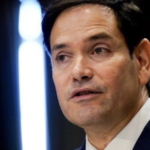
























































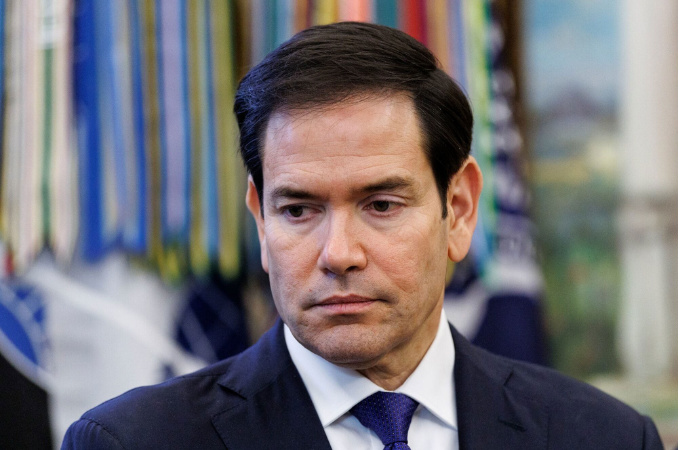
U.S. Secretary of State Marco Rubio has declared that the Trump administration is prepared to authorize military force against Venezuela if acting President Delcy Rodríguez fails to cooperate with U.S. interests—specifically the opening of the nation’s vast energy sector to American corporations.
The warning, delivered during a Senate Foreign Relations Committee hearing on January 27, 2026, marks the most significant escalation in U.S.-Venezuela relations since the capture of Nicolás Maduro earlier this month.
Key Developments: U.S. Stance on Venezuela
-
The Ultimatum: Secretary Rubio stated the U.S. is prepared to use “maximum cooperation” methods, including force, to secure energy access.
-
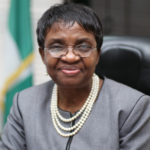
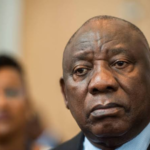
Target: Acting President Delcy Rodríguez, who took power after Maduro’s removal on January 3, 2026.
-
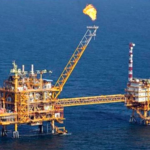
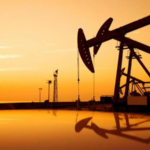
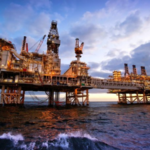
The Objective: Full access for U.S. firms (ExxonMobil, Chevron, ConocoPhillips) to Venezuela’s 303 billion barrels of oil reserves.
-
Legal Status: Former President Nicolás Maduro remains in U.S. custody in New York facing narco-terrorism charges.
“Self-Interest” and the Threat of Force
In his first public testimony since Operation Absolute Resolve—the January 3rd raid that extracted Maduro from Caracas—Secretary Rubio framed the administration’s position as a matter of regional stability and American economic security.
“Acting President Rodríguez is well aware of the fate of Maduro,” Rubio told lawmakers. “We are prepared to use force to ensure maximum cooperation if other methods fail. We believe her own self-interest aligns with advancing our key objectives.”
Response from Caracas
Delcy Rodríguez, who was initially supported by Washington to maintain military stability following the raid, responded with sharp defiance. In a televised address, she asserted that Venezuela would not succumb to “imperialist pressure” on its sovereign resources, stating the nation has “had enough” of U.S. interference.
Geopolitical Context: The 2026 Energy Standoff
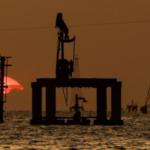
The U.S. strategy appears focused on reversing decades of state control over Venezuela’s oil industry. While Venezuela holds the world’s largest proven reserves, production has stagnated at roughly 1.2 million barrels per day (bpd), far below its 1990s peak.
1. The Capture of Maduro
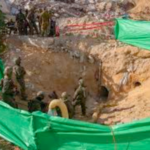
The current crisis stems from the January 3, 2026, raid by U.S. Delta Force and CIA operatives. The operation, which resulted in the deaths of approximately 75 Venezuelan and Cuban guards, saw Maduro and his wife, Cilia Flores, flown to New York to stand trial.
2. A Three-Phase Plan
Informed observers point to Rubio’s “Three-Phase Plan” for Venezuela:
-
Stabilization: Preventing total state collapse and curbing drug trafficking.
-
Recovery: Forcing legal reforms to allow 100% private/U.S. investment in oil.
-
Transition: A long-term shift toward a supervised client-state model.
3. International Fallout
The threat of force has drawn domestic and international condemnation. Mexico, China, and Russia have formally denounced the U.S. actions as a violation of the UN Charter.
Domestically, Congressional Democrats have labeled the threat “illegal” and “reckless,” warning of a potential “Iraq-style” entanglement.