






























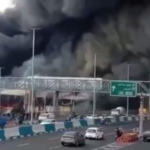
![Hon. Festus Keyamo SAN arrives MMIA past 11:50 p.m. Feb 23 to lead oversight of Terminal 1 fire. Joined FAAN MD & team actively managing situation. Directed morning inspection Tuesday to guide restoration & confirm safety standards. Reaffirmed focus on passenger safety. Story: [link] #KeyamoMMIA #FireIncident #FAAN](https://fullcliphq.com/wp-content/uploads/2026/02/mym-150x150.jpg "MMIA Fire: Keyamo Inspects Lagos Airport After Terminal 1 Blaze Disrupts Flights")















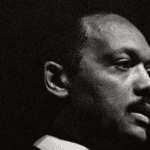


















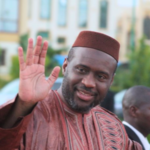








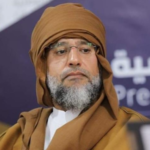
























































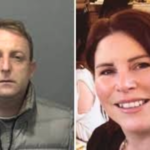























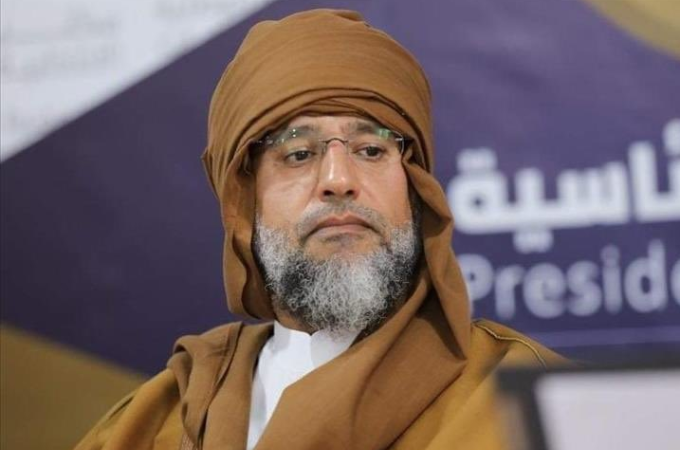
Saif al-Islam Gaddafi, the most prominent surviving son of former Libyan leader Muammar Gaddafi, was assassinated late Tuesday at his residence in the western town of Zintan, multiple credible sources confirmed on Wednesday.
The 53-year-old — once viewed as a potential reformist successor to his father’s regime — died from multiple gunshot wounds in what his political team and family described as a “cowardly and treacherous” targeted killing.
The Assassination: A Targeted Assault
According to reports from Al Jazeera, Reuters, BBC, France 24, and his lawyer Khaled al-Zaidi, four masked or unidentified gunmen stormed the property around 2:30 a.m. local time, disabled surveillance cameras, and shot him in the garden or grounds before fleeing.
-
No Claims of Responsibility: No group has yet claimed responsibility, and motives remain unclear amid Libya’s persistent instability.
-
Forensic Confirmation: Libyan authorities, including the attorney general’s office, conducted a forensic examination confirming death by gunshot wounds, with investigators now probing the attack.
-
Official Announcements: Political adviser Abdullah Othman Abdurrahim first announced the news via local outlets like Fawasel Media and Al-Ahrar TV, calling it an armed assault on Gaddafi’s home some 136 kilometers southwest of Tripoli. His French lawyer Marcel Ceccaldi and other associates labeled it a “commando-style” execution.
-
Family Vow: Family members expressed outrage, with one cousin vowing the killing “will not go unpunished.”
A Decade in Zintan and Political Ambitions
Gaddafi had lived relatively quietly in Zintan for much of the past decade — first imprisoned there after his 2011 capture by local fighters, then released in 2017 under murky circumstances involving militia brokers. He maintained symbolic influence among certain tribes and Gaddafi loyalists, registering to run for president in 2021 elections that were indefinitely postponed amid rival factions’ disputes.
The Shadow of 2011
Born in 1972 and educated in the West (including a degree from the London School of Economics), Saif al-Islam projected a modern, pragmatic image in the 2000s. He helped negotiate Libya’s abandonment of weapons of mass destruction programs and improved ties with the U.S. and Europe.
“The 2011 uprising shattered that role: defiant TV appearances vowing to crush rebels led to an International Criminal Court arrest warrant for crimes against humanity (still in effect), alongside a 2015 death sentence from a Tripoli court for war crimes — never carried out due to his non-extradition.”
Impact on Libya’s Divided Landscape
His death removes a polarizing figure who embodied both nostalgia for pre-2011 stability and resentment over the regime’s repression. Libya remains deeply divided since NATO-backed forces ended Muammar Gaddafi’s 42-year rule:
-
Regional Conflict: The UN-recognized Government of National Unity in Tripoli competes with eastern factions led by Khalifa Haftar’s Libyan National Army.
-
Zintan’s Role: Zintan, a stronghold of anti-Islamist militias, often acts semi-independently, adding layers of complexity to any investigation.
-
Public Reaction: Reactions were swift and divided. Supporters mourned the loss of a potential unifier, while critics saw it as delayed justice for past atrocities.
UNSMIL and the 2026 Peace Process
The United Nations Support Mission in Libya (UNSMIL) has expressed profound concern, warning that the assassination threatens the fragile 2026 peace roadmap.
-
Condemnation: The UN called for a thorough probe, though swift accountability appears unlikely.
-
Risks: Informed observers warn the assassination could inflame tribal tensions, derail reconciliation talks, or trigger power realignments in the militia-dominated landscape. Speculation includes rival western militias, political rivals, or external actors aiming to eliminate a symbol of the old regime.