





























![Hon. Festus Keyamo SAN arrives MMIA past 11:50 p.m. Feb 23 to lead oversight of Terminal 1 fire. Joined FAAN MD & team actively managing situation. Directed morning inspection Tuesday to guide restoration & confirm safety standards. Reaffirmed focus on passenger safety. Story: [link] #KeyamoMMIA #FireIncident #FAAN](https://fullcliphq.com/wp-content/uploads/2026/02/mym-150x150.jpg "MMIA Fire: Keyamo Inspects Lagos Airport After Terminal 1 Blaze Disrupts Flights")






























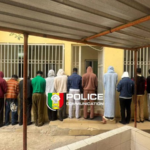







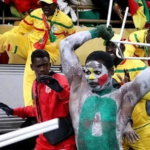

























































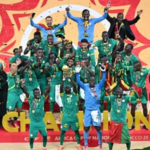











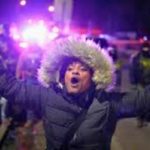








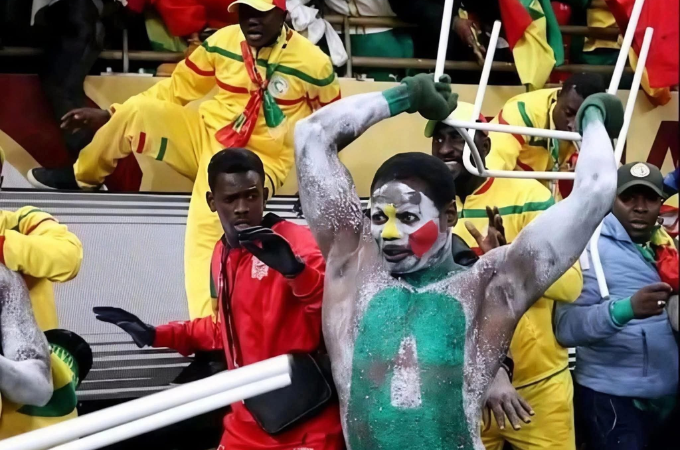
Eighteen Senegalese football fans detained in Morocco since the chaotic Africa Cup of Nations (AFCON) final in January 2026 have begun a hunger strike.
The group is protesting a prolonged period of custody without formal charges or a fair hearing, turning a continental sporting celebration into a brewing humanitarian crisis.
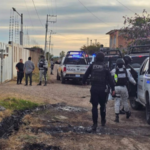
The supporters were arrested on January 18 following Senegal’s victory over Morocco in Rabat – a match that descended into bedlam during its closing stages. Their lawyer, Patrick Kabou, confirmed to AFP on Friday that his clients have ceased eating to pressure Moroccan authorities for clarity. “They told me they are still waiting to know what exactly they are being charged with,” Kabou said. “They feel abandoned and unheard.”
A critical point of contention involves a severe language barrier. All 18 detainees communicate solely in Wolof, yet they allege that police interrogations were conducted in French and Arabic. This has raised alarms regarding the validity of the proceedings and whether the fans understood the statements they were reportedly asked to sign.
The judicial process has been further crippled by external factors. A hearing scheduled for this past Thursday was adjourned due to a nationwide lawyers’ strike in Morocco, leaving the fans in a legal limbo that is now expected to stretch into next week.
The “Dark Arts”: A Pattern of Regional Hostility?
The hunger strike in Rabat is not merely an isolated incident of crowd control; it is being viewed by many sub-Saharan observers as the latest chapter in a long, troubling history of “underhand tactics” and “dark arts” associated with North African football hosting.
For decades, visiting national teams and club sides traveling to the Maghreb have reported a gauntlet of psychological and physical hurdles designed to tilt the pitch. These controversies often include:
-
The “Airport Welcome”: Teams frequently report being held for hours at immigration over minor “paperwork issues,” or having their equipment “lost” until hours before kickoff.
-
Nocturnal Disturbances: It has become almost a cliché for visiting teams to be met with coordinated firework displays outside their hotels at 3:00 AM, often with local authorities slow to intervene.
-
The Laser Pointer Brigade: North African stadiums are infamous for the pervasive use of high-powered green lasers, used to blind opposing goalkeepers and penalty takers—a tactic that was a focal point of fury during the 2022 World Cup qualifiers.
-
Ball Boy Disservice: A subtle but infuriating tactic where local ball boys suddenly vanish when the home side is leading, or conversely, “accidentally” throw a second ball onto the pitch to interrupt a dangerous counter-attack by the visitors.
-
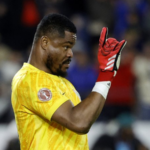
Equipment Tampering: In more extreme cases, visiting goalkeepers have reported their kits or gloves being “misplaced” or tampered with in the dressing rooms, forcing them to use ill-fitting replacements just minutes before the whistle.
In recent years, the tension has shifted from the pitch to the stands and the boardroom. The 2019 CAF Champions League final between Wydad Casablanca and ES Tunis famously collapsed over a broken VAR system, leading to a legal battle that lasted years. Similarly, the 2024 dispute between Morocco’s RS Berkane and Algeria’s USM Alger over a map on a jersey led to forfeited matches and diplomatic vitriol, proving that in this region, the jersey is often a political manifesto.
From Celebration to Sovereignty
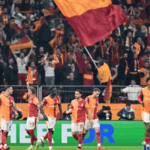
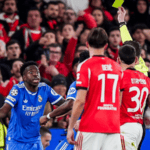
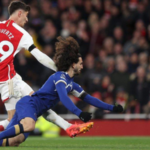
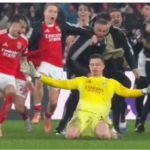
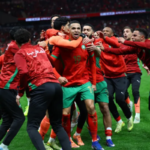
The AFCON final on January 18 was the boiling point. The match saw a 20-minute stoppage when Senegal players protested a late, controversial penalty awarded to Morocco. As the “Teranga Lions” resisted what they perceived as biased officiating, the stands ignited. Moroccan authorities maintain the arrests were necessary to prevent a riot; Senegalese officials, however, argue the fans are being used as scapegoats for a security failure.
The hunger strike adds a visceral, high-stakes dimension to this rivalry. Lawyer Patrick Kabou insists his clients will not break their fast until they are given the opportunity to defend themselves in a language they actually speak. As the case draws the eyes of human rights organizations, the beautiful game in Africa finds itself once again marred by the ugly realities of regional politics and judicial opacity.