
















































![Hon. Festus Keyamo SAN arrives MMIA past 11:50 p.m. Feb 23 to lead oversight of Terminal 1 fire. Joined FAAN MD & team actively managing situation. Directed morning inspection Tuesday to guide restoration & confirm safety standards. Reaffirmed focus on passenger safety. Story: [link] #KeyamoMMIA #FireIncident #FAAN](https://fullcliphq.com/wp-content/uploads/2026/02/mym-150x150.jpg "MMIA Fire: Keyamo Inspects Lagos Airport After Terminal 1 Blaze Disrupts Flights")






















































































































































































































































































































Key Upgrades and Mission Objectives
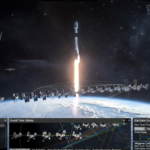
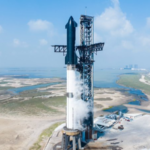
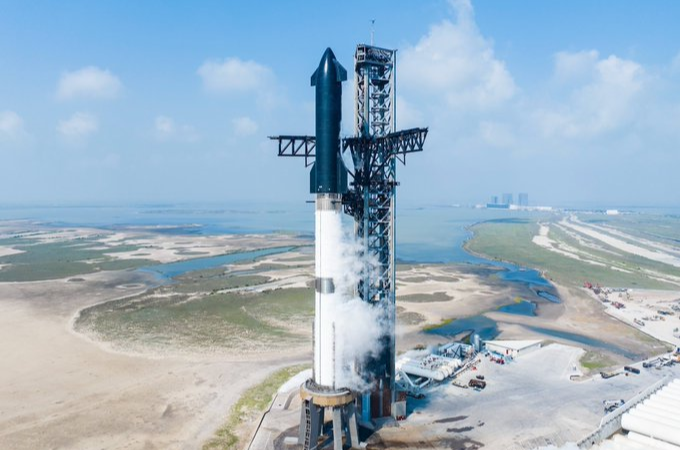
After completing 11 integrated flight tests in 2025, SpaceX has focused on advancing reusability, rapid turnaround, in-orbit refueling demonstrations, and heat shield performance. Preparations for IFT-12 include:
- Successful cryogenic proof tests and static fires on Booster 19 and Ship 39 at Starbase.
- Upgrades to Orbital Launch Pad B (OLP-B) for higher launch cadence and tower catch attempts.
- Integration of Raptor 3 engines, which underwent extensive ground testing in 2025 and flew on earlier vehicles for data collection.
- Refinements to thermal protection system (TPS) tiles and flap designs based on lessons from Flights 7–11.
Raptor 3: A Generational Leap
Each Raptor 3 engine produces 280 tonnes of thrust (~2.75 MN) compared to ~230 tonnes for Raptor 2 and ~185 tonnes for Raptor 1. The design eliminates engine heat shields, reduces part count, improves manufacturability, and increases chamber pressure and specific impulse—critical for achieving full reusability and the high delta-v needed for Mars missions.
Booster 19 is expected to attempt a return-to-launch-site (RTLS) landing and tower catch, while Ship 39 will target a controlled splashdown in the Indian Ocean or a near-space trajectory test. SpaceX has not confirmed whether Flight 12 will include propellant transfer demos or heat shield stress tests at higher velocities.
Progress in 2025 and Path to Orbital Refueling
SpaceX achieved major milestones in 2025:
- First successful booster catch (Flight 5).
- Multiple ship splashdowns and booster RTLS landings.
- Incremental improvements in reentry heating management and flap control.
- Payload door and deployment tests.
The company aims to conduct the first full in-orbit propellant transfer demonstration in 2026, a prerequisite for NASA’s Artemis lunar missions and Elon Musk’s Mars colonisation plans.
Regulatory and Public Reaction
Fans celebrated the early March target on social media, sharing launch videos and Raptor 3 test footage. However, potential delays remain due to FAA licensing requirements for expanded flight envelopes and environmental reviews of increased launch cadence at Starbase.
The FAA is working on a programmatic environmental assessment (PEA) to allow up to 25 annual Starship launches from Boca Chica, but no final decision has been issued.