











































![Hon. Festus Keyamo SAN arrives MMIA past 11:50 p.m. Feb 23 to lead oversight of Terminal 1 fire. Joined FAAN MD & team actively managing situation. Directed morning inspection Tuesday to guide restoration & confirm safety standards. Reaffirmed focus on passenger safety. Story: [link] #KeyamoMMIA #FireIncident #FAAN](https://fullcliphq.com/wp-content/uploads/2026/02/mym-150x150.jpg "MMIA Fire: Keyamo Inspects Lagos Airport After Terminal 1 Blaze Disrupts Flights")






























































































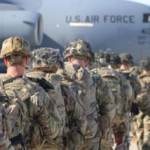


















































































































































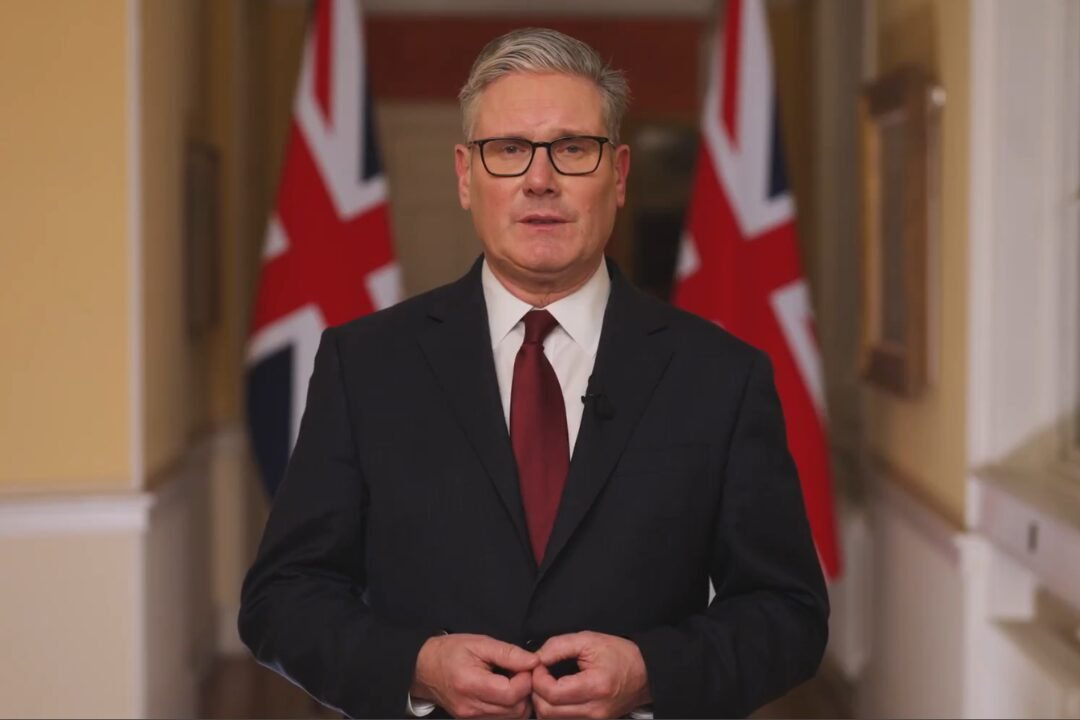
The United Kingdom has reversed its earlier position and approved a United States request to use British military bases for limited defensive operations against Iranian missile capabilities, Prime Minister Keir Starmer announced in a video statement posted on X on Sunday evening.
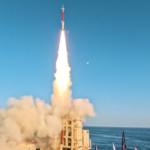
The decision permits US forces to utilize facilities including Diego Garcia in the Indian Ocean and RAF Fairford in Gloucestershire solely to target Iranian missiles in storage depots or on launchers, aimed at halting further launches across the Middle East. Starmer stressed that the UK is not participating in offensive strikes on Iran and described the move as essential to counter Iran’s retaliatory missile and drone attacks on US assets, Israel, and regional states including Bahrain, Kuwait, Qatar, the UAE, and Jordan.
In his statement, Starmer said the only effective response to the threat is to destroy missiles “at source” to prevent attacks that could kill civilians, endanger British personnel, or strike uninvolved countries. He noted recent escalations, including Iranian strikes near British interests, as a key factor in the policy shift.
This represents a marked change from late February 2026, when reports indicated Starmer had declined a similar US request for base access amid concerns over international law, escalation risks, and avoiding direct involvement in potential preemptive actions against Iran. That refusal, under the US administration of President Donald Trump, drew domestic criticism from conservative figures and pro-Israel advocates who viewed it as insufficiently robust.
The reversal followed the killing of Iran’s Supreme Leader Ayatollah Ali Khamenei on February 28, 2026, during joint US-Israeli strikes targeting regime elements and military infrastructure. Iran confirmed Khamenei’s death and launched retaliatory barrages, including incidents affecting regional allies and a suspected drone strike on RAF Akrotiri in Cyprus overnight into March 2, causing limited damage but no casualties. British officials cited these developments, alongside threats to UK forces and civilians in the region, as justification for facilitating US defensive measures under collective self-defence principles.
Domestic reactions in the UK are divided. Some conservative voices criticised the initial reluctance and welcomed the approval as pragmatic, while others accused the government of yielding to US pressure or inconsistency. Pro-Palestinian and anti-escalation groups opposed any involvement, amid Starmer’s low approval ratings and upcoming local elections in May 2026.
Among Western allies, responses remain cautious and varied. France, Germany, and other European NATO members have condemned Iran’s retaliatory actions but prioritised de-escalation, diplomacy, and humanitarian concerns without endorsing offensive operations or granting similar base access. No comparable policy shifts have been reported from continental Europe.
Canada and Australia have issued statements supporting US and allied self-defence rights while condemning Iran’s missile threats, focusing on intelligence cooperation rather than direct military involvement. Gulf states including Saudi Arabia, the UAE, and Bahrain have aligned closely with the US position, issuing joint condemnations and backing efforts to neutralise Iran’s ballistic arsenal.
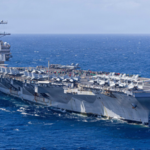
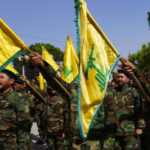
The UK’s facilitation of base access – particularly Diego Garcia, which significantly shortens flight distances for potential US operations – positions it as a key logistical enabler in the US-led response, though without committing British forces to strikes. The broader Western alliance has not shifted uniformly toward offensive alignment, maintaining a defensive and containment-oriented stance amid ongoing strikes, Hezbollah-Israel exchanges, and Iranian warnings of further retaliation.
The situation continues to develop rapidly, with implications for regional stability, alliance dynamics, and international law in the conflict.