








































![Hon. Festus Keyamo SAN arrives MMIA past 11:50 p.m. Feb 23 to lead oversight of Terminal 1 fire. Joined FAAN MD & team actively managing situation. Directed morning inspection Tuesday to guide restoration & confirm safety standards. Reaffirmed focus on passenger safety. Story: [link] #KeyamoMMIA #FireIncident #FAAN](https://fullcliphq.com/wp-content/uploads/2026/02/mym-150x150.jpg "MMIA Fire: Keyamo Inspects Lagos Airport After Terminal 1 Blaze Disrupts Flights")






































































































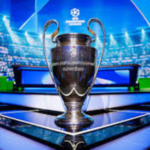












































































Real Madrid has reached an agreement in principle with UEFA and the European Football Clubs (EFC) association, effectively resolving all outstanding legal disputes related to the failed European Super League project.
The deal brings a formal end to the controversial initiative first launched in April 2021.
In a joint statement, UEFA, EFC, and Real Madrid confirmed:
“After months of discussions held in the interest of European football, UEFA, the European Football Clubs (EFC), and Real Madrid C.F. announce that they have reached an agreement in principle for the good of European club football, respecting the principle of sporting merit and emphasizing the long-term sustainability of clubs and the improvement of the fan experience through the use of technology.”
The agreement will also serve to fully resolve the legal battles stemming from the Super League concept once a final, binding deal is implemented.
Background on the Super League Project
The European Super League was announced in April 2021 as a closed, breakaway competition involving 12 founding clubs (including Real Madrid, Barcelona, Juventus, Manchester United, Manchester City, Liverpool, Chelsea, Arsenal, Tottenham, AC Milan, Inter Milan, and Atlético Madrid). The plan aimed to create a midweek league with permanent membership for the biggest clubs, reducing reliance on UEFA competitions and promising higher revenues.
The proposal collapsed within 48 hours due to massive fan protests, government opposition, player and manager backlash, and threats of expulsion from domestic leagues and UEFA competitions. Nine of the 12 founding clubs withdrew within days, leaving only Real Madrid, Barcelona, and Juventus as holdouts.
Legal Battles and Recent Developments
Real Madrid and Barcelona pursued legal action against UEFA, arguing the governing body abused its dominant position by blocking the project and threatening sanctions. The dispute dragged on for years, including a 2023 European Court of Justice ruling that UEFA’s monopoly on club competitions violated EU competition law – a decision seen as opening the door for alternative formats but not reviving the closed Super League model.
Barcelona withdrew from the legal fight last week (early February 2026), leaving Real Madrid as the sole remaining claimant. The agreement announced today ends that litigation and signals a return to cooperation with UEFA.
Key Elements of the Deal
The statement emphasizes:
-
Respect for the principle of sporting merit (open qualification based on performance).
-
Long-term sustainability of clubs.
-
Improvements to fan experience through technology (e.g., better streaming, fan engagement tools).
Real Madrid president Florentino Pérez, a key architect of the original Super League, has not commented publicly on the deal as of publication. The club’s focus now shifts back to domestic and European competition, including the ongoing La Liga title race and Champions League campaign.
Implications
The resolution removes a major legal and reputational distraction for UEFA and Real Madrid. It allows the governing body to continue its expanded Champions League format without ongoing threats of breakaway competition. For European football, the agreement reinforces the existing ecosystem while acknowledging the need for reform in areas like revenue distribution, financial sustainability, and fan engagement.
The Super League project, once seen as a threat to the traditional pyramid structure of European football, is now officially over, with focus returning to on-field competition and cooperative governance.