



































![Hon. Festus Keyamo SAN arrives MMIA past 11:50 p.m. Feb 23 to lead oversight of Terminal 1 fire. Joined FAAN MD & team actively managing situation. Directed morning inspection Tuesday to guide restoration & confirm safety standards. Reaffirmed focus on passenger safety. Story: [link] #KeyamoMMIA #FireIncident #FAAN](https://fullcliphq.com/wp-content/uploads/2026/02/mym-150x150.jpg "MMIA Fire: Keyamo Inspects Lagos Airport After Terminal 1 Blaze Disrupts Flights")





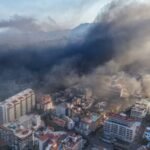
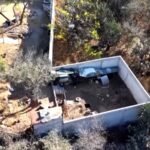
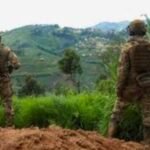








































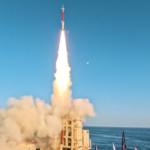























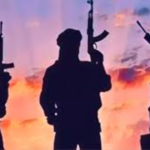




















































































































The US-Israel war with Iran has entered its sixth day, with intensified military actions across multiple fronts, significant civilian and military casualties, and growing disruptions to global energy and aviation.
US officials warned that operations would expand deeper into Iranian territory, describing the conflict as still in its early stages. The US House was expected to vote on a Senate-rejected resolution requiring congressional approval for future military actions against Tehran.
Overnight into Thursday, explosions rocked Tehran again, with residents reporting strikes across the capital. A man who fled the city told CNN the bombings targeted “anything and everything,” leaving uncertainty about safe zones. Many who remained in Tehran sheltered indoors amid constant fighter jet noise, while others relocated to rural areas fearing border risks or congested escape routes.
Regional Escalation and Naval Conflict
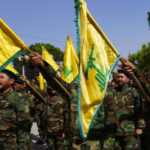
Israel launched its 11th wave of strikes against Iran since February 28, focusing on military infrastructure in Tehran. Israel also resumed overnight attacks on Hezbollah command centers in Beirut, issuing evacuation orders for southern Lebanese villages and areas near the capital. Iran and Hezbollah carried out their first coordinated attacks on Israel, launching missiles that triggered sirens in Jerusalem and central regions.
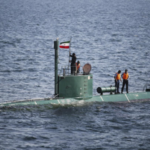
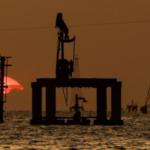
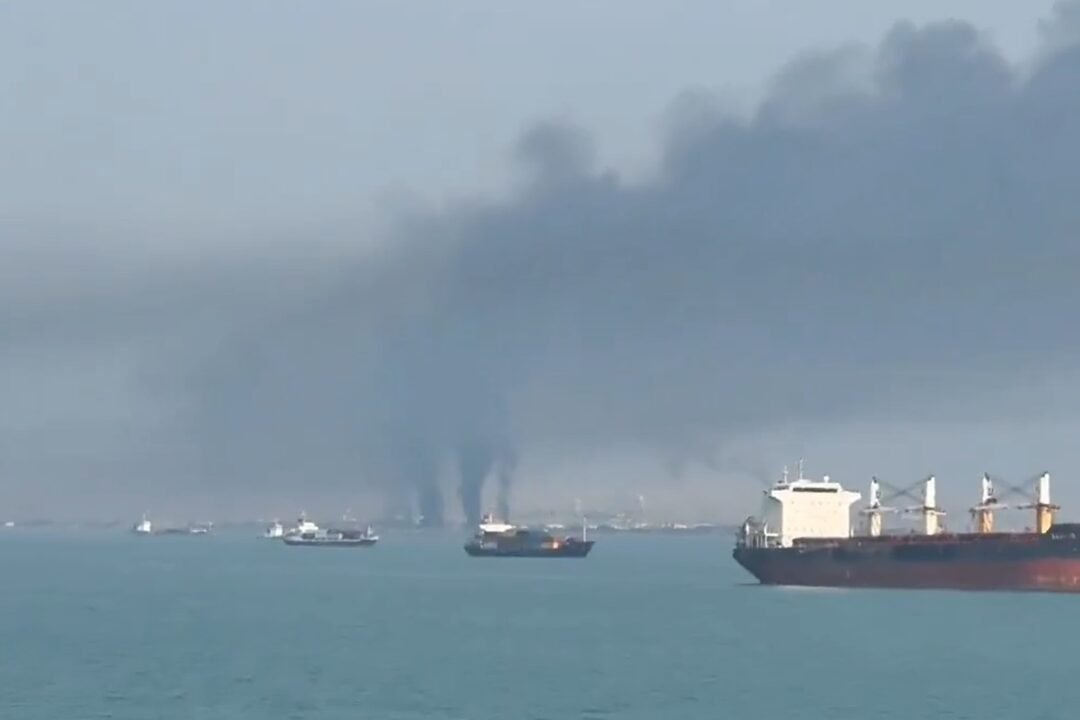
Iran’s Islamic Revolutionary Guard Corps (IRGC) claimed the Strait of Hormuz was closed to ships from the US, Israel, Europe, and their allies, warning that such vessels would face “serious response.” The strait, through which ~20% of global oil passes daily, has seen traffic drop sharply, with many tankers anchored or rerouted due to security risks and soaring insurance costs.
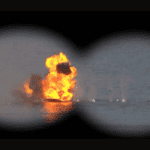
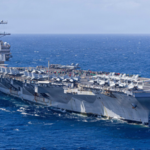
In a major naval incident, a US submarine torpedoed Iranian frigate IRIS Dena in international waters off Sri Lanka’s coast on March 3, 2026. Sri Lanka’s navy recovered dozens of bodies, with 87 confirmed dead and 11 missing. Iran’s Foreign Minister Abbas Araghchi called the attack an “atrocity at sea” in international waters, vowing the US would regret the precedent. The strike marked the first US submarine sinking of a combat ship since World War II.
NATO Involvement and Global Impact
A NATO air defense system intercepted an Iranian missile traveling toward Turkish airspace – the first such incident since the conflict began. Turkey reported the missile transited Iraq and Syria before destruction.
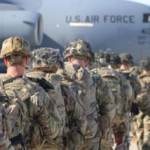
Over 17,500 US citizens have returned home from the Middle East since February 28. Canada arranged buses to Egypt from Israel and limited charter flights from Lebanon and the UAE. Britain, France, Germany, Italy, and others boosted repatriation efforts. Airlines including Emirates and Virgin Atlantic resumed limited services from Dubai and other hubs.
South Korea reported seven oil tankers carrying millions of barrels stuck outside the Strait of Hormuz, threatening supply shortages. Over 70% of South Korea’s crude and 20% of gas imports originate in the Middle East. President Lee Jae-myung ordered emergency measures to stabilise energy supplies.
Human Cost
The death toll in Iran exceeded 1,114 civilians (including 183 children under 10), according to the US-based Human Rights Activists News Agency (HRANA), with over 6,000 wounded. Additional casualties included US troops and civilians across the Gulf from Iranian strikes.
As the conflict widens – impacting shipping, airspace, and civilian infrastructure-international calls for de-escalation intensify, with fears of broader regional or global fallout.