

















![Hon. Festus Keyamo SAN arrives MMIA past 11:50 p.m. Feb 23 to lead oversight of Terminal 1 fire. Joined FAAN MD & team actively managing situation. Directed morning inspection Tuesday to guide restoration & confirm safety standards. Reaffirmed focus on passenger safety. Story: [link] #KeyamoMMIA #FireIncident #FAAN](https://fullcliphq.com/wp-content/uploads/2026/02/mym-150x150.jpg "MMIA Fire: Keyamo Inspects Lagos Airport After Terminal 1 Blaze Disrupts Flights")




















































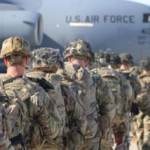































































































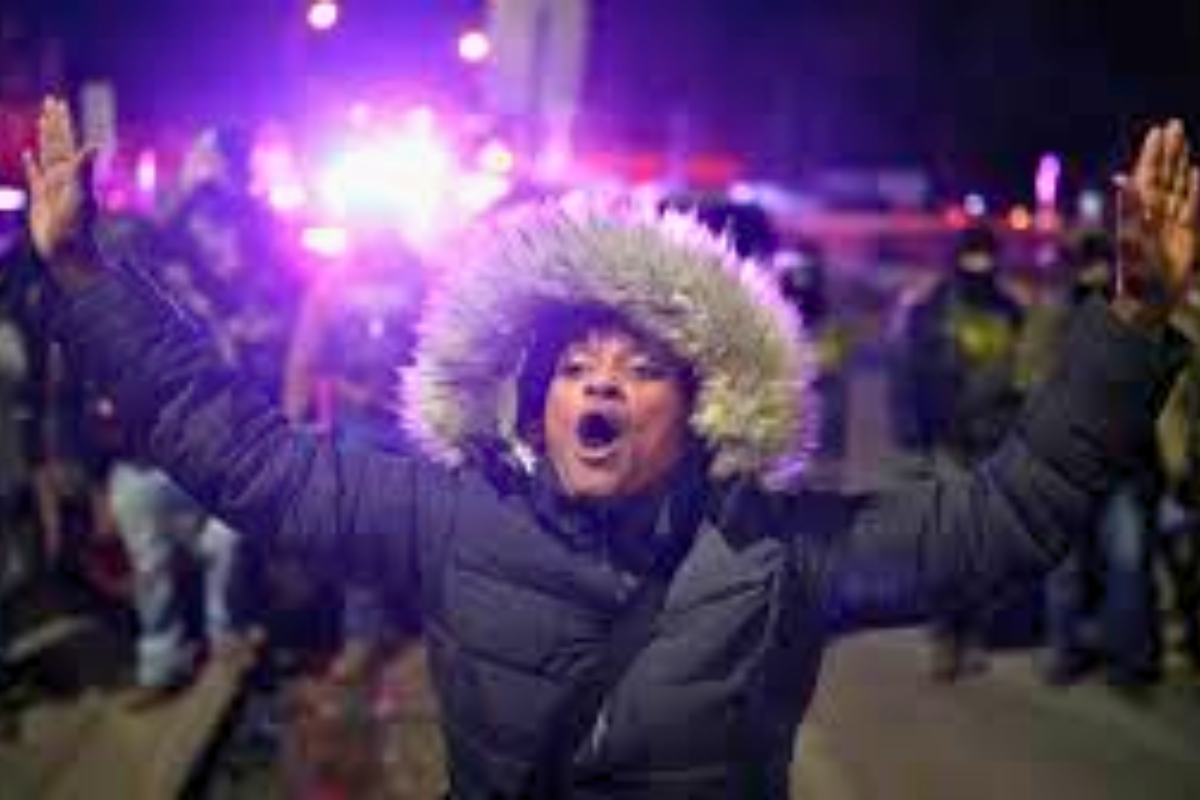
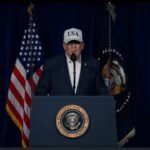
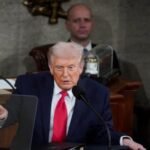
President Donald Trump has threatened to invoke the Insurrection Act of 1807 to deploy active-duty U.S. military forces in Minneapolis, as protests against federal immigration enforcement operations escalated into clashes and vandalism.
The law allows the president to use military forces for domestic law enforcement in cases of rebellion or when local authorities cannot maintain order.
Trump posted on Truth Social that he would act if Minnesota officials failed to stop what he called “professional agitators and insurrectionists.”
Triggering Incident:
Tensions spiked after an ICE agent shot and wounded Venezuelan national Julio Cesar Sosa-Celis in the leg on January 14 during a confrontation involving a snow shovel and broom handle. DHS said the agent acted in self-defense after being ambushed by three Venezuelan nationals following a car chase. All three were arrested. The incident followed the fatal shooting of poet Renee Nicole Good, 37, by an ICE agent on January 7, also ruled self-defense, which had already ignited nationwide protests.
Protest Clashes:
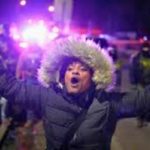
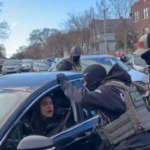
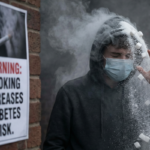
On the night of January 14, clashes broke out in north Minneapolis’s Hawthorne area near the shooting scene. Police Chief Brian O’Hara said officers were hit with fireworks, ice, and snowballs. Local media reported damage to vehicles believed to belong to federal agents.
Political Reactions:
- Governor Tim Walz (D): “Let’s turn the temperature down,” while previously calling ICE a “modern-day Gestapo.”
- Mayor Jacob Frey: Demanded ICE leave the city, saying the situation is “not sustainable.”
- DHS Secretary Kristi Noem: Defended the agent, calling the incident “attempted murder of federal law enforcement.”
Operation Metro Surge Context:
Over 3,000 federal officers have been deployed to Minnesota in recent weeks under Operation Metro Surge, the largest DHS mobilization in history, targeting noncitizens with serious criminal records. Minnesota cities have sued, claiming violations of the 10th Amendment (states’ rights).