















![Hon. Festus Keyamo SAN arrives MMIA past 11:50 p.m. Feb 23 to lead oversight of Terminal 1 fire. Joined FAAN MD & team actively managing situation. Directed morning inspection Tuesday to guide restoration & confirm safety standards. Reaffirmed focus on passenger safety. Story: [link] #KeyamoMMIA #FireIncident #FAAN](https://fullcliphq.com/wp-content/uploads/2026/02/mym-150x150.jpg "MMIA Fire: Keyamo Inspects Lagos Airport After Terminal 1 Blaze Disrupts Flights")

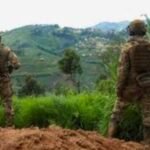








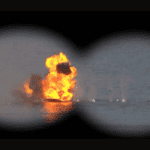

















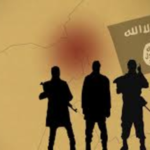



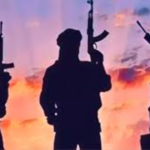



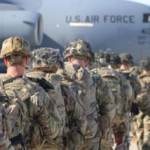



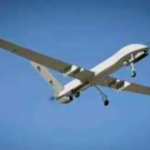










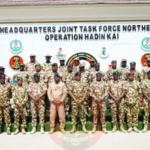






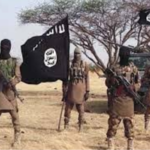



























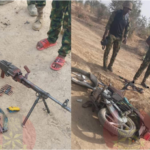

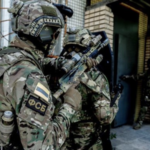














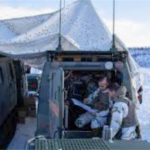





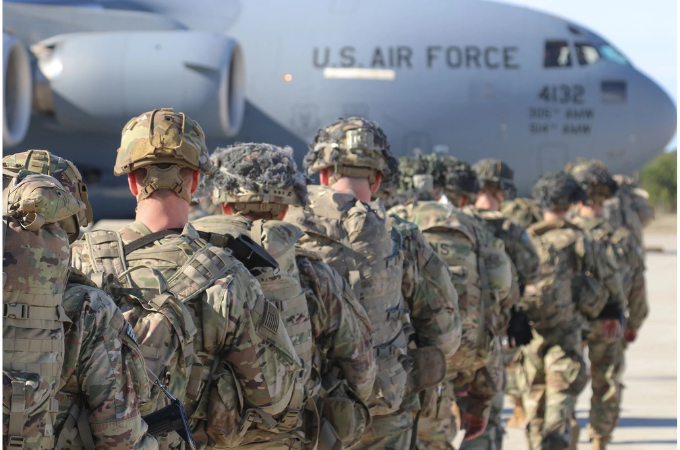
The United States has deployed a small military team to Nigeria, marking the first confirmed U.S. ground presence in the country since airstrikes on December 25, 2025, targeted Islamic State-linked camps in Sokoto State.
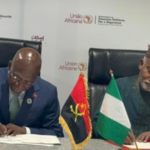
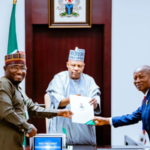
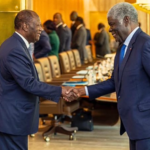
Gen. Dagvin R.M. Anderson, commander of U.S. Africa Command (AFRICOM), announced the move during a press briefing on Tuesday, describing it as a direct outcome of bilateral agreements to “increase collaboration” following high-level discussions with Nigerian officials.
Mission Scope and Operational Focus
The deployment, confirmed by Nigeria’s Defence Minister Christopher Musa, focuses on providing “unique capabilities” to support Nigerian forces in their 17-year fight against Boko Haram and its splinter group, the Islamic State West Africa Province (ISWAP).
-
Non-Combat Role: AFRICOM emphasized that the team’s role is non-combat: centered on intelligence gathering, advisory support, operational coordination, and enabling Nigerian-led strikes rather than direct U.S. engagement in combat operations.
-
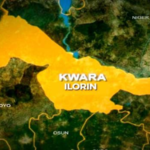
Priority Zones: The effort prioritizes northwest Sokoto (site of the Christmas strikes) and the northeast Lake Chad Basin, where these groups maintain strongholds despite years of military campaigns.
Bilateral Security Context
This step builds on the December 25 airstrikes, which AFRICOM described as precision strikes against ISIS targets in collaboration with Nigerian authorities.
-
Presidential Authorization: President Donald Trump authorized the operation, publicly linking it to concerns over attacks on civilians, including Christians, though the Nigerian government and experts have rejected claims of systematic religious targeting, noting violence affects Muslims and Christians alike amid complex drivers like land disputes, criminality, and insurgency.
-
Diplomatic Engagement: Recent months have seen intensified diplomatic and military engagement, including a November 2025 Pentagon meeting between U.S. Secretary of War Pete Hegseth and Nigeria’s National Security Adviser Nuhu Ribadu, focused on coordinated counterterrorism strategies.
-
Regional Stability: In December 2025, Ribadu hosted a U.S. congressional delegation in Abuja to discuss regional stability and joint efforts. A plenary session of the Nigeria – U.S. Joint Working Group on Nigeria’s Country of Particular Concern (CPC) designation for religious freedom violations also took place last month, underscoring ongoing bilateral consultations.
The Evolving Threat Landscape
Nigeria’s insurgency, originating with Boko Haram’s 2009 uprising, has evolved into a multifaceted threat.
-
Factional Splits: Boko Haram’s splits led to ISWAP’s emergence in 2016, which has grown more sophisticated, controlling rural territories and conducting complex attacks. Both groups exploit porous borders with Chad, Cameroon, and Niger, benefiting from regional instability following coups and the withdrawal of Western forces from the Sahel.
-
Expansion: ISWAP, in particular, has expanded into northwest Nigeria, including Sokoto, blending jihadist ideology with local grievances and banditry.
U.S. Strategy: “By, With, and Through”
U.S. involvement remains limited and partner-driven, avoiding large-scale commitments amid lessons from past interventions and competing global priorities.
-
Limited Footprint: The small team aligns with AFRICOM’s strategy of “by, with, and through” support: empowering local militaries through training, intelligence, equipment deliveries, and advisory roles rather than direct action. This approach contrasts with earlier U.S. operations in Somalia or the Sahel, where drone strikes and special forces played more prominent roles.
-
Projected Benefits: Informed observers note potential benefits: enhanced intelligence could improve Nigerian targeting accuracy, reduce civilian casualties, and disrupt jihadist financing/logistics networks.
Challenges and Scrutiny
Challenges persist: Nigeria’s military faces accusations of human rights abuses, logistical shortfalls, and corruption, while political will for comprehensive reform remains uneven.
-
Sovereignty and Perception: Critics warn that foreign involvement risks perceptions of sovereignty infringement or escalation if strikes cause collateral damage.
-
Congressional Scrutiny: The deployment occurs against a backdrop of U.S. congressional scrutiny of Nigeria’s security and religious freedom issues, including recent House hearings warning of risks of broader Christian-Muslim violence. Nigeria’s government maintains that insecurity is not religiously motivated but stems from multifaceted criminal and insurgent threats affecting all communities.
As operations unfold, the small team’s success will depend on sustained trust, clear rules of engagement, and measurable progress in degrading ISWAP and Boko Haram capabilities. This limited footprint reflects a pragmatic U.S. approach: targeted support to a key African partner without overextension, while addressing transnational threats in a volatile region.