












































![Hon. Festus Keyamo SAN arrives MMIA past 11:50 p.m. Feb 23 to lead oversight of Terminal 1 fire. Joined FAAN MD & team actively managing situation. Directed morning inspection Tuesday to guide restoration & confirm safety standards. Reaffirmed focus on passenger safety. Story: [link] #KeyamoMMIA #FireIncident #FAAN](https://fullcliphq.com/wp-content/uploads/2026/02/mym-150x150.jpg "MMIA Fire: Keyamo Inspects Lagos Airport After Terminal 1 Blaze Disrupts Flights")











































































































































































































































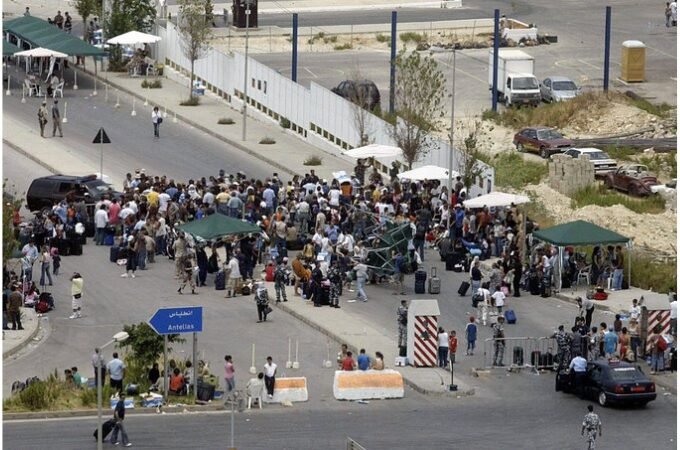
The United States has initiated the evacuation of dozens of personnel from its embassy in Beirut, multiple Lebanese and regional sources report.
This precautionary drawdown comes as diplomatic and military tensions between Washington and Tehran reach their most volatile and dangerous levels in recent years.
Lebanese broadcaster LBCI first broke the report, citing informed sources who observed embassy staff being transported to Beirut – Rafic Hariri International Airport for departure. The broadcaster characterized the movement as a “precautionary measure” directly linked to “anticipated regional developments.” Al Arabiya followed shortly thereafter, quoting an unnamed diplomatic source who confirmed that a significant number of non-essential employees had already departed the country.
So far, neither the U.S. Embassy in Beirut nor the State Department has issued a formal public statement regarding the specific headcount of personnel involved, the exact scope of the drawdown, or its expected duration. However, the embassy remains operational, indicating that this is a partial reduction in staff rather than a total suspension of diplomatic activity or a full closure of the mission.
The timing of this withdrawal is critical. Since mid-January 2026, the relationship between the U.S. and Iran has spiraled due to several interlocking regional crises:
-
Domestic Crackdown in Iran: Tehran’s aggressive suppression of sustained anti-government protests has provoked intense international condemnation and led to a surge in U.S.-led diplomatic and economic pressure.
-
Nuclear Negotiation Deadlock: Nuclear talks have reached a total impasse. Washington is currently demanding irreversible concessions, including the transfer of all remaining enriched uranium stockpiles, strict new limits on ballistic missile development, and a verified end to the funding of regional proxy militias, specifically Hezbollah in Lebanon, Hamas in Gaza, and the Houthi movement in Yemen.
-
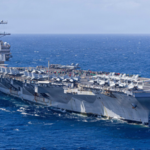
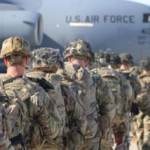
Military Posturing: A massive U.S. military reinforcement is currently underway across the Middle East. This includes the forward deployment of carrier strike groups, additional destroyers, and advanced fighter squadrons intended to project power and signal a high state of combat readiness.
-
Threat of Targeted Strikes: President Donald Trump has issued repeated public warnings that targeted military strikes against Iranian strategic facilities remain under active consideration if diplomatic channels fail to yield immediate results. U.S. defense sources indicate the administration is weighing a limited, “demonstrative” strike to force Iranian concessions.
Iranian officials have labeled the U.S. military buildup as “reckless and provocative” while maintaining that a diplomatic resolution is still possible, with indirect talks reportedly scheduled to resume in Geneva under Omani mediation.
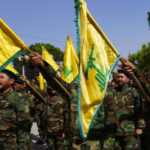
Lebanon sits at the center of this geopolitical storm. Hezbollah, Iran’s most formidable regional ally and a U.S.-designated terrorist organization, maintains a sophisticated military infrastructure in southern Lebanon. As a core pillar of Tehran’s “Axis of Resistance,” any direct military action against Iran would likely trigger a massive Hezbollah retaliation against regional interests. Recent Israeli strikes targeting Hezbollah commanders and logistics have already heightened the risk of a miscalculation along the Blue Line, where any spark could ignite a broader conflict on Lebanese soil.
The United States has historically reduced its presence in Beirut during periods of heightened threat:
-
2013: An ordered departure was issued for non-emergency personnel due to spillover violence from the Syrian civil war.
-
2024 – 2025: Several partial drawdowns occurred during escalations involving Israel-Hezbollah border clashes and Iranian nuclear advancements, cited as responses to “volatile and unpredictable” conditions.
Lebanon remains exceptionally fragile, currently reeling from years of systemic economic collapse, political deadlock, and the aftershocks of the 2024–2025 Israel-Hezbollah conflict. A direct U.S.-Iran confrontation would almost certainly exacerbate the ongoing humanitarian crisis and trigger new waves of internal and external displacement.
The U.S. Travel Advisory for Lebanon remains at Level 4: Do Not Travel, citing the high risk of terrorism, civil unrest, kidnapping, and the potential for armed conflict. The State Department strongly urges American nationals currently in the country to exercise extreme caution, enroll in the Smart Traveler Enrollment Program (STEP), and finalize contingency plans – including identifying overland exit routes via Syria or Türkiye should commercial aviation be disrupted.
The situation remains extremely fluid, with global observers closely monitoring for formal U.S. confirmation, Iranian counter-statements, or visible military maneuvers that would indicate whether this drawdown is a limited safety adjustment or a harbinger of a broader regional war.