
































![Hon. Festus Keyamo SAN arrives MMIA past 11:50 p.m. Feb 23 to lead oversight of Terminal 1 fire. Joined FAAN MD & team actively managing situation. Directed morning inspection Tuesday to guide restoration & confirm safety standards. Reaffirmed focus on passenger safety. Story: [link] #KeyamoMMIA #FireIncident #FAAN](https://fullcliphq.com/wp-content/uploads/2026/02/mym-150x150.jpg "MMIA Fire: Keyamo Inspects Lagos Airport After Terminal 1 Blaze Disrupts Flights")




















































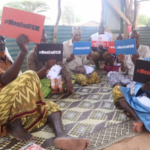






























































































































Healthcare delivery at the University College Hospital (UCH) in Ibadan, Nigeria, is severely disrupted as a coalition of staff unions has initiated a five-day warning strike to protest what they describe as deliberate internal electricity rationing by hospital management.
The industrial action, coordinated by the Council of UCH Union Leaders (CUUL), has halted or limited services across critical areas, including surgeries, diagnostics, and inpatient care.
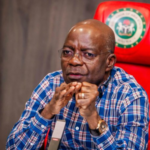
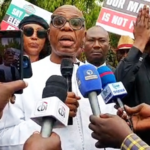
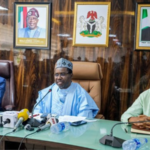
The affected unions include the Association of Resident Doctors (ARD), Medical and Health Workers Union of Nigeria (MWHUN), National Association of Nigeria Nurses and Midwives (NANNM), Nigerian Union of Allied Health Professionals (NUHAP), Non-Academic Staff Union (NASU), and Senior Staff Association of Universities, Teaching Hospitals, Research Institutes and Associated Institutions (SSAUTHRIAI). CUUL co-chairman and JAC-UCH chairman Oladayo Olabampe, alongside ARD-UCH chairman Dr Uthman Adedeji, addressed journalists at the hospital to explain the grievances.
“Let There Be Light”: Union Grievances
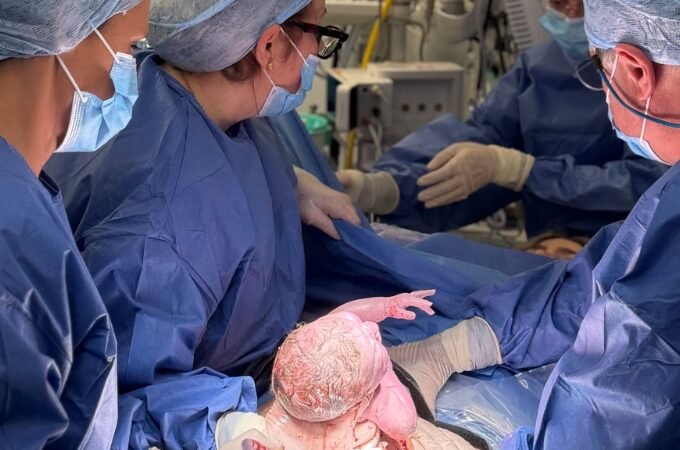
In a joint statement titled “Let There Be Light,” the unions alleged months of restricted power supply to service delivery zones and residential quarters, leading to routine cancellation of surgeries, delays in laboratory investigations, and idling of life-saving diagnostic equipment. They reported that theatres operated in disarray, cold chains for medications and vaccines broke down, and research activities stalled. Patient safety was compromised, with reports of surgeries performed using headlamps, nurses relying on mobile phone torches in wards, and laboratories processing hazardous samples without functional extraction systems.
Water shortages exacerbated conditions, as pumping became impossible without reliable electricity, increasing risks of hospital-acquired infections and creating unsafe environments for night-duty staff. The unions claimed significant financial losses for the hospital, as cases and procedures were referred to other facilities due to unreliable power.
Demands and Call for Intervention
CUUL demanded immediate cessation of internal rationing, full restoration of electricity and water supply across clinical areas and residences, replacement of faulty meters, and reversal of a newly imposed rent structure. They called on the Federal Ministry of Health and Social Welfare, Federal Ministry of Power, and the Federal Government to intervene urgently to safeguard operations at one of Nigeria’s premier tertiary institutions.
UCH management is yet to issue an official response to the strike or the specific allegations. The action followed weeks of complaints and negotiations that failed to resolve the power distribution issues.
Regional Impact
UCH Ibadan serves as a major referral centre for the South-West region and beyond, handling complex cases in surgery, oncology, cardiology, and other specialties. Disruptions affect not only inpatient and emergency care but also training for medical students and resident doctors, as well as ongoing research projects.
The strike highlights persistent infrastructure challenges in Nigeria’s public health sector, including unreliable grid power, inadequate backup systems, and funding constraints for maintenance. Similar power-related complaints have surfaced at other federal teaching hospitals, underscoring broader systemic issues in electricity supply to critical facilities.
Union leaders stressed that the industrial action remained peaceful and targeted at management’s internal decisions rather than external power outages. They expressed willingness to suspend the strike upon verifiable restoration of full electricity supply and resolution of related demands.
The five-day warning period is set to run through March 6, 2026, with potential for escalation if demands are unmet. Patients requiring urgent care have been advised to seek alternatives, while non-emergency appointments face postponement.