






































![Hon. Festus Keyamo SAN arrives MMIA past 11:50 p.m. Feb 23 to lead oversight of Terminal 1 fire. Joined FAAN MD & team actively managing situation. Directed morning inspection Tuesday to guide restoration & confirm safety standards. Reaffirmed focus on passenger safety. Story: [link] #KeyamoMMIA #FireIncident #FAAN](https://fullcliphq.com/wp-content/uploads/2026/02/mym-150x150.jpg "MMIA Fire: Keyamo Inspects Lagos Airport After Terminal 1 Blaze Disrupts Flights")


























































































































































































































































Global energy prices rose sharply and stock markets declined on March 3, 2026, as investors assessed the economic risks from the intensifying conflict involving the United States, Israel, and Iran.
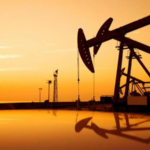
The benchmark Brent crude oil price briefly exceeded $85 per barrel for the first time since July 2024, while UK natural gas futures climbed to their highest level in three years, closing 21 per cent higher than the previous day.
The UK gas price surged above 165 pence per therm during trading before settling at 138 pence per therm, more than double its level before the US and Israeli airstrikes on Iran began on February 28. The increase followed QatarEnergy’s announcement of a production halt at its facilities after reported military attacks, with the company also suspending output of aluminium, methanol, and urea used in fertiliser production.
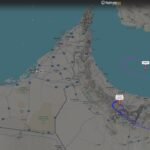
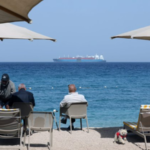
Brent crude for April delivery rose significantly, reflecting market concerns over potential supply disruptions in a region critical to global energy flows. The Strait of Hormuz, through which around 20 per cent of the world’s oil and gas passes daily, has seen sharply reduced traffic due to security risks, vessel attacks, and carrier reluctance. Major shipping lines have rerouted or suspended operations, while war risk insurance premiums have increased substantially, driving up transport costs. Hiring rates for supertankers from the Middle East to China reached record levels above $400,000 per day.
Stock markets reacted negatively across regions. The FTSE 100 in London closed down 2.75 per cent, while Germany’s DAX and France’s CAC 40 fell 3.44 per cent and 3.46 per cent respectively. In the United States, the S&P 500 opened sharply lower but recovered somewhat, ending down 0.9 per cent. Asian markets also declined, with Japan’s Nikkei dropping 3.3 per cent, Hong Kong’s Hang Seng and China’s Shanghai Composite lower, and South Korea’s Kospi falling more than 7 per cent after a public holiday closure.
The UK’s Office for Budget Responsibility warned in its latest fiscal outlook that the conflict could significantly alter economic forecasts, potentially affecting inflation, interest rates, and growth. German Chancellor Friedrich Merz, following a White House meeting with US President Donald Trump on March 3, expressed hope for a swift resolution to limit economic damage.
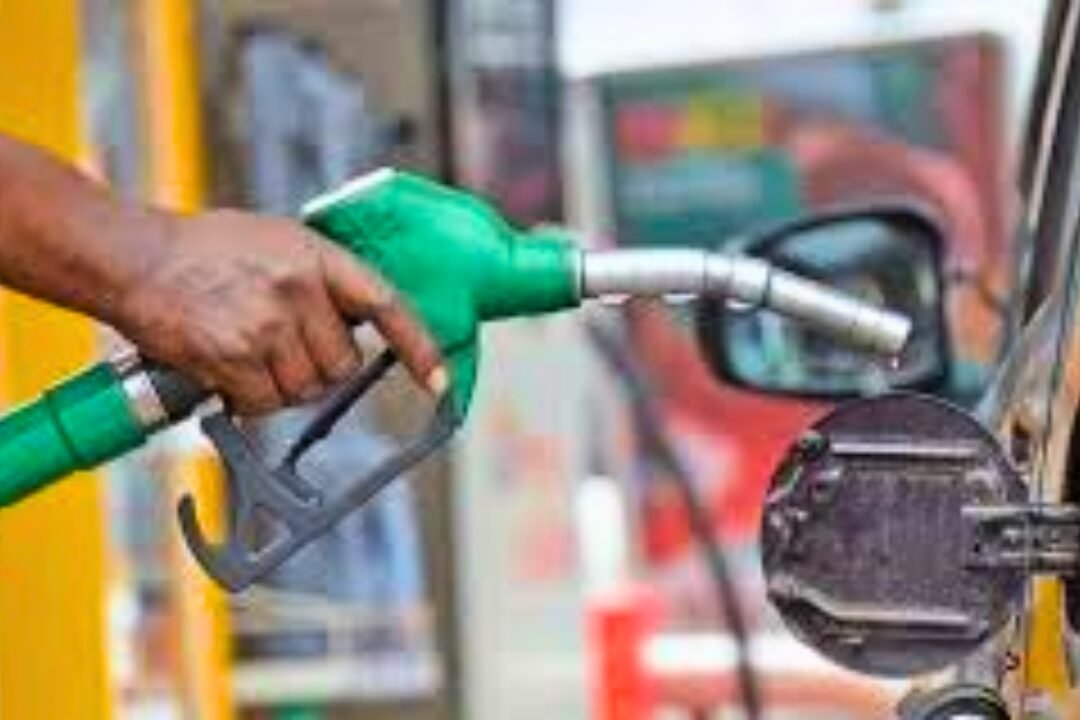
Rising energy costs are expected to feed through to consumers and businesses. UK households may face higher fuel prices at the pump, though the domestic energy price cap shields bills until July 2026. Higher oil and gas prices could increase costs for transport, food, and manufacturing, potentially sustaining inflation and influencing central bank decisions on interest rates.
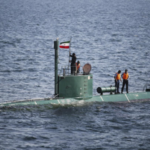
The conflict has disrupted key energy and shipping routes, with Ebrahim Jabbari, an adviser to Iran’s Islamic Revolutionary Guard Corps commander-in-chief, stating that ships entering the region would face serious responses. Logistics experts noted that carriers and insurers are avoiding the area, leading to broader rate increases for global shipping.
The developments follow US and Israeli airstrikes on Iranian targets and Iranian retaliatory missile and drone attacks on Israel and US-affiliated sites in the Gulf. The economic fallout underscores the vulnerability of global markets to prolonged instability in the Middle East, a region central to energy supply chains and maritime trade.