







































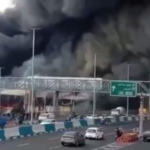
![Hon. Festus Keyamo SAN arrives MMIA past 11:50 p.m. Feb 23 to lead oversight of Terminal 1 fire. Joined FAAN MD & team actively managing situation. Directed morning inspection Tuesday to guide restoration & confirm safety standards. Reaffirmed focus on passenger safety. Story: [link] #KeyamoMMIA #FireIncident #FAAN](https://fullcliphq.com/wp-content/uploads/2026/02/mym-150x150.jpg "MMIA Fire: Keyamo Inspects Lagos Airport After Terminal 1 Blaze Disrupts Flights")


















































































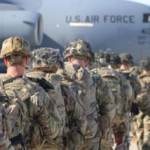





































































































































The United Kingdom is actively considering options for increased military involvement in the escalating conflict between the United States, Israel, and Iran, including the potential deployment of British troops to the Middle East, according to government sources cited by multiple outlets.
The discussions come as the US-led campaign against Iranian military infrastructure enters its second week, with British officials continuing to frame their role as strictly defensive while facing pressure from allies and domestic political divisions.
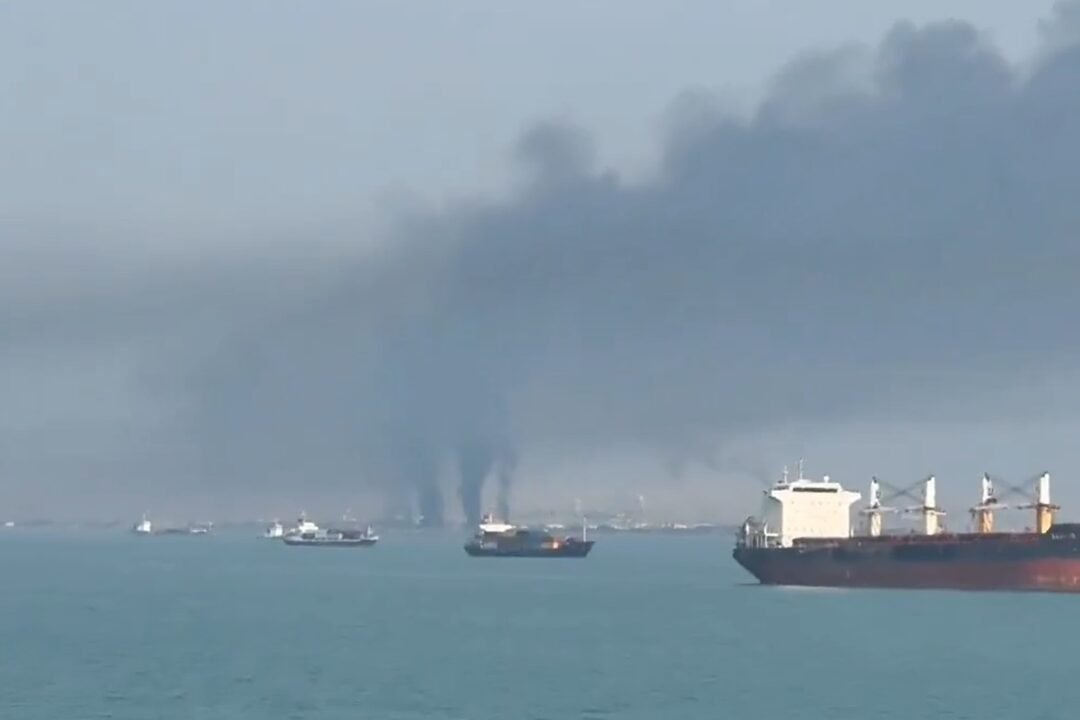
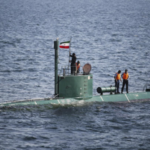
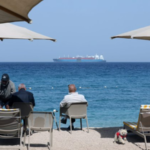
Reports indicate that “all options are open” and “nothing has been ruled out” regarding UK support for US operations. One specific scenario under active review involves British naval assets assisting in the protection of maritime traffic through the Strait of Hormuz, the narrow waterway through which roughly one-fifth of global oil shipments pass daily. Iran has already disrupted traffic in the strait in retaliation for strikes on its territory, prompting concerns over supply chain stability and energy prices.
Prime Minister Keir Starmer has consistently stated that the United Kingdom is not participating in offensive military strikes against Iran. In recent public and parliamentary remarks, Starmer has described the UK’s current contribution as limited to defensive measures. This includes authorizing limited use of British bases – such as RAF Fairford in Gloucestershire and Diego Garcia in the Indian Ocean – for US forces conducting targeted operations aimed at degrading Iran’s ballistic missile launch capabilities “at source.” The permission followed an initial period of hesitation that drew sharp public criticism from US President Donald Trump.
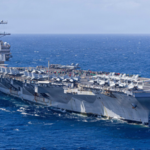
British forces have already engaged defensively in the region. Royal Air Force aircraft have intercepted Iranian drones and missiles threatening allied positions, including near UK facilities in Cyprus (where a base sustained a direct hit) and Qatar. The Royal Navy has deployed HMS Dragon, a Type 45 destroyer equipped with advanced air and missile defence systems, to the Eastern Mediterranean to enhance protection of British interests, personnel, and shipping lanes.
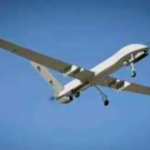
The conflict intensified dramatically on February 28, 2026, when joint US-Israeli strikes-designated Operation Epic Fury by US Central Command – targeted Iranian leadership, ballistic missile sites, military installations, internal security infrastructure, and elements of the nuclear programme. US and Israeli forces have since struck nearly 2,000 targets, employing B-2 stealth bombers, F-35 and F-22 fighters, Tomahawk cruise missiles, MQ-9 Reaper drones, and ground-based rocket systems.
Iran’s retaliation has been broad, involving missile and drone barrages against US bases, Gulf Arab states hosting American forces, Israel, and civilian infrastructure including Dubai International Airport. Iranian actions have caused periodic airspace closures, disrupted shipping through the Strait of Hormuz, and affected civilian areas across the region.
The United Kingdom maintains a longstanding military presence in the Middle East, with personnel and facilities in Bahrain (home to the UK Maritime Component Command), Qatar, Cyprus (Sovereign Base Areas), and Oman. Recent weeks have seen cautious drawdowns at some locations to reduce exposure to Iranian reprisals, even as new deployments – such as HMS Dragon – have been ordered to bolster defensive capabilities.
Domestic reaction in Britain remains deeply divided. Labour MPs and peace campaigners have warned against deeper entanglement in what they describe as another Middle East quagmire, invoking the long-term costs of previous interventions in Iraq and Afghanistan. Opposition figures, including Conservative leader Kemi Badenoch, have criticized Starmer for perceived hesitation and urged closer alignment with the United States. Limited public opinion polling conducted amid the fast-moving crisis indicates widespread wariness of escalation, with many Britons concerned about risks to service personnel and potential economic consequences from sustained oil price spikes.
Western assessments indicate that Iran retains substantial missile stocks and could continue retaliatory strikes for several more days, although sustained US-Israeli operations continue to degrade launch infrastructure and command structures. The deployment of additional US heavy bombers at British-linked facilities has further fuelled speculation about possible escalation.
The UK government continues to insist that its actions remain proportionate, defensive in nature, and focused on protecting British lives, allied partners, and vital international sea lanes. Whether this posture evolves into direct troop deployments or expanded naval patrols in the Strait of Hormuz will depend on the trajectory of Iranian responses and formal allied requests in the coming days.
The conflict has already resulted in over 1,000 deaths in Iran (per Iranian official sources), multiple US service members killed, and civilian casualties across the region, marking the most serious direct US-Iran military confrontation in decades.