














































![Hon. Festus Keyamo SAN arrives MMIA past 11:50 p.m. Feb 23 to lead oversight of Terminal 1 fire. Joined FAAN MD & team actively managing situation. Directed morning inspection Tuesday to guide restoration & confirm safety standards. Reaffirmed focus on passenger safety. Story: [link] #KeyamoMMIA #FireIncident #FAAN](https://fullcliphq.com/wp-content/uploads/2026/02/mym-150x150.jpg "MMIA Fire: Keyamo Inspects Lagos Airport After Terminal 1 Blaze Disrupts Flights")







































































































































































































































































Authorities in Zimbabwe have begun the release of prisoners under a presidential amnesty, with 4,305 inmates set to benefit from the clemency order aimed at reducing severe overcrowding in the nation’s correctional facilities.
The move, proclaimed as Clemency Order No. 1 of 2026 and gazetted on February 20, 2026, targets specific categories of convicted individuals while excluding those imprisoned for grave crimes.
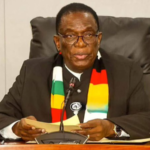
Justice, Legal and Parliamentary Affairs Minister Ziyambi Ziyambi announced the details during a press conference in Harare, describing the amnesty as a merit-based initiative focused on vulnerable groups and those demonstrating substantial rehabilitation. He stated that the order aligns with principles of restorative justice and national compassion, providing a second chance for eligible inmates to reintegrate into society. The minister clarified that the amnesty does not apply to prisoners convicted of capital offenses such as murder, treason, rape, armed robbery, or violations under the Maintenance of Peace and Order Act, which has historically been invoked in cases involving political dissent or public protests.
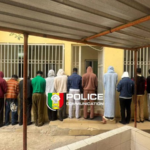
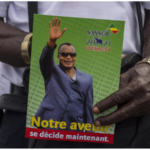
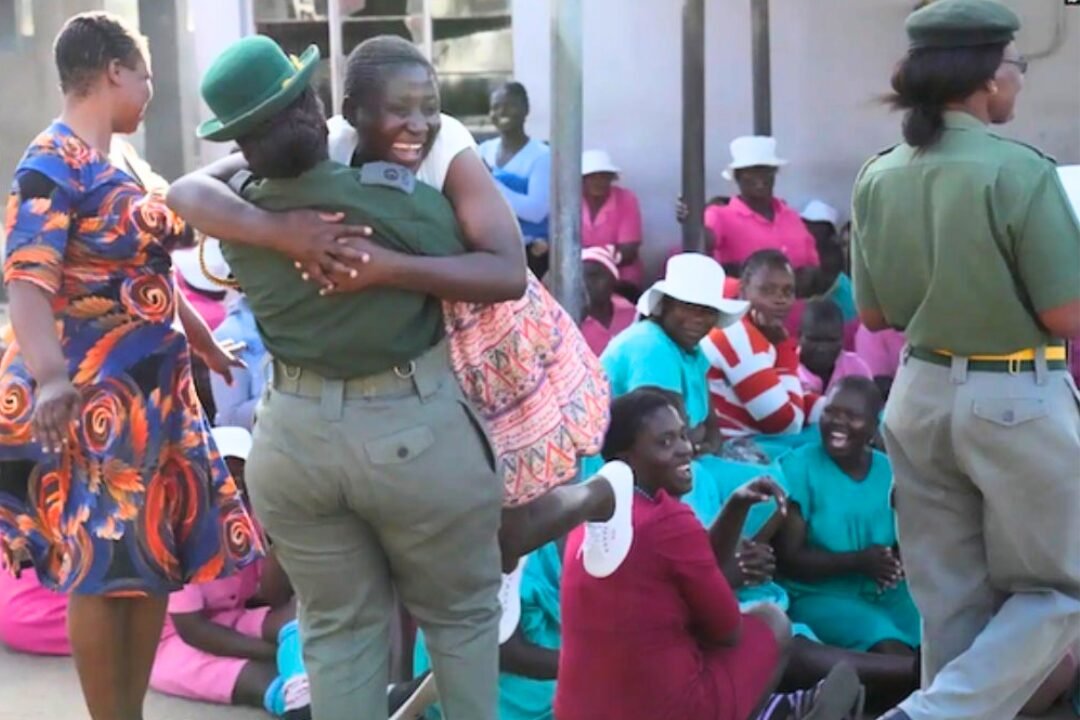
The total number of beneficiaries includes 4,082 men and 223 women, with releases processed progressively across Zimbabwe’s prisons. At Harare Central Prison, one of the country’s largest facilities, the first batch of inmates was freed on March 2. Scenes from the prison yard showed hundreds of prisoners divided into groups – those remaining in orange uniforms and those who had donned civilian attire, awaiting final documentation and exit. Some expressed joy through chants of “Mnangagwa huchi,” a phrase translating roughly to “Mnangagwa is honey,” while others held banners featuring the president’s portrait.
Zimbabwe’s prison system has long grappled with overcrowding, with official data from the second quarter of 2025 indicating a population exceeding 24,000 inmates in facilities designed for far fewer. Reports from human rights organizations, such as Amnesty International and the Zimbabwe Human Rights NGO Forum, have documented issues including poor sanitation, inadequate nutrition, and limited access to healthcare, exacerbating conditions for detainees. The amnesty seeks to mitigate these strains by prioritizing the release of non-violent offenders, juveniles under 18 at the time of sentencing, terminally ill prisoners, and those who have served at least one-third of their terms for lesser crimes.
This clemency exercise is part of a recurring practice in Zimbabwe, where presidents have periodically granted amnesties often linked to national holidays or significant events. For instance, in 2023, Mnangagwa pardoned over 4,000 prisoners during Independence Day commemorations, and similar actions occurred in 2018 following his ascension to power. These measures have been praised for humanitarian relief but criticized for potentially overlooking political prisoners or failing to address systemic judicial reforms.
The timing of the 2026 amnesty has raised eyebrows, as it was announced on the same day the cabinet endorsed controversial constitutional amendments. These proposed changes include extending Mnangagwa’s term limit from two to three five-year periods, allowing him to remain in office until 2030, and shifting presidential selection from direct elections to parliamentary appointment. Opposition leaders, including from the Citizens’ Coalition for Change (CCC) and the National Constitutional Assembly (NCA), have decried the reforms as a “constitutional coup” designed to consolidate power within the ruling Zanu-PF party, which holds a parliamentary majority.
In a related development, tensions surrounding the amendments escalated with a reported attack on March 1, 2026, at the NCA offices in Harare. Per Africa News, unidentified armed men assaulted Professor Lovemore Madhuku, the NCA leader and a prominent constitutional lawyer, along with several activists during a meeting opposing the changes. The incident occurred in view of police, prompting Amnesty International Zimbabwe to demand an investigation, labeling it as an assault on critics of term limit extensions. Executive Director Lucia Masuka stated that such violence undermines democratic discourse and called for accountability to prevent further intimidation.
Government officials maintain that the amnesty and constitutional proposals are separate, with the former driven by pragmatic needs in the justice system. Minister Ziyambi reiterated that the releases are staggered where necessary, with 3,755 inmates freed immediately and 327 in phases, ensuring public safety through merit assessments.
International observers have mixed views. The African Union, in a statement on March 1, 2026, acknowledged the amnesty as a positive step toward decongesting prisons but urged Zimbabwe to uphold human rights standards, particularly regarding political detainees. The United States Embassy in Harare echoed concerns over the constitutional amendments, emphasizing the importance of free and fair electoral processes. Meanwhile, regional bodies like the Southern African Development Community (SADC) have yet to comment formally, though past interventions in Zimbabwean politics suggest potential monitoring.
For the released prisoners, the amnesty represents a fresh start amid economic challenges in Zimbabwe, where high unemployment and inflation persist. Support programs, including vocational training offered by the Zimbabwe Prisons and Correctional Service (ZPCS), aim to aid reintegration, though critics argue more comprehensive rehabilitation and job placement initiatives are needed to reduce recidivism.
As releases continue nationwide, prison authorities coordinate with local communities to facilitate smooth transitions. The full implementation of the order is expected within the week, marking a significant humanitarian effort in Zimbabwe’s ongoing efforts to balance justice, rehabilitation, and resource constraint.