
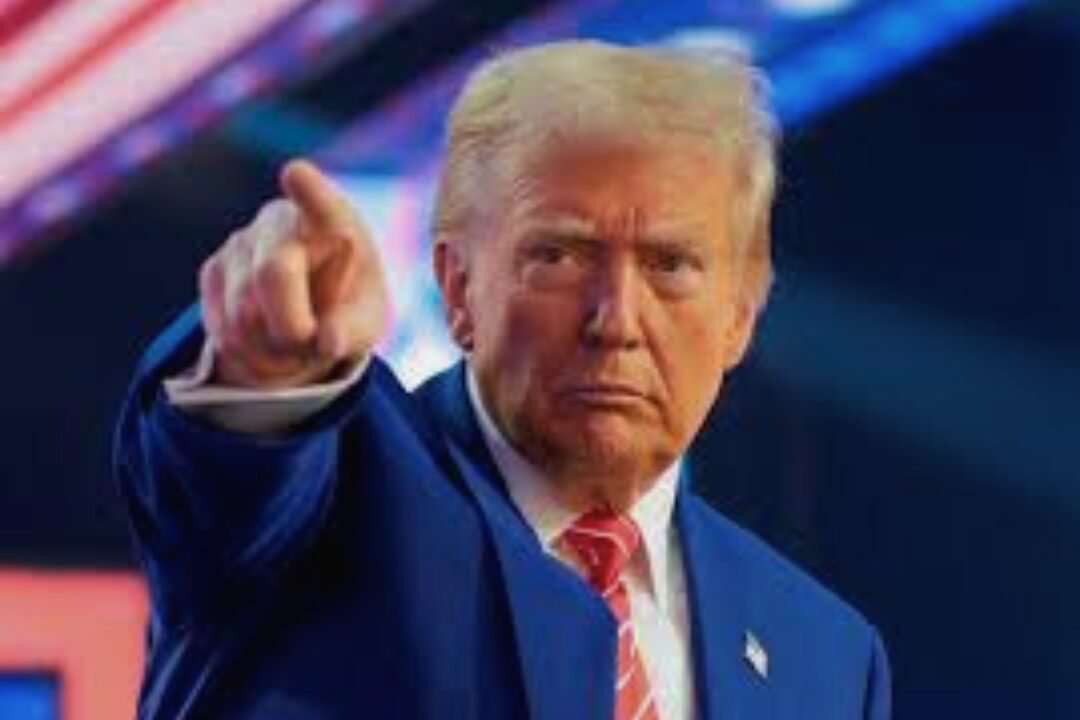
U.S. President Issues Ultimatum to NATO Allies for Military Support in Gulf Oil Chokepoint Crisis
U.S. President Donald Trump has issued a stern caution to NATO allies, stating that the alliance could face severe consequences if European members do not contribute military resources to efforts aimed at restoring safe passage through the Strait of Hormuz, a critical artery for global energy supplies disrupted by the ongoing conflict with Iran.
The president’s comments reflect mounting concerns over the economic fallout from the war and highlight strains within international partnerships.
According to an exclusive interview with the Financial Times published on March 15, 2026, Trump voiced exasperation at what he perceives as inadequate backing from NATO partners two weeks into the U.S.-Israel-led operations against Iran. He specifically called for deployments of minesweepers, given Europe’s larger inventory compared to the U.S., as well as special operations units to address threats from Iranian drones, mines, and small vessels in the Persian Gulf region.
In the discussion, Trump referenced the transatlantic pact, noting, “We have a thing called NATO,” and drew parallels to past U.S. assistance to European nations. He emphasised that a refusal or insufficient response would have dire implications for the organisation’s longevity. The interview underscores the president’s push for reciprocity, particularly in light of American support for Ukraine against Russian advances.
Strategic Impact of the Strait Closure
The conflict erupted in late February 2026, with U.S. and Israeli forces conducting airstrikes on Iranian military sites, prompting Tehran to impose restrictions on the Strait of Hormuz. This 39-kilometre-wide channel links the Persian Gulf to the Gulf of Oman and facilitates about one-fifth of the world’s oil shipments, plus substantial liquefied natural gas volumes.
Iranian tactics, including mine deployments and drone strikes on shipping, have effectively halted transit for vessels linked to adversarial nations, leading to widespread rerouting and delays.
Economic Fallout and Rising Oil Prices
Economic repercussions have been swift and pronounced. Brent crude prices have risen by around 45 percent since hostilities began, hovering near $106 per barrel in recent sessions. This spike has elevated fuel costs globally, with U.S. consumers facing higher gasoline prices and broader inflationary pressures.
Analysts attribute the volatility to diminished exports from Gulf producers, warning that prolonged closures could exacerbate supply shortages and hinder economic recovery in energy-dependent regions.
Trump has minimised the ongoing Iranian threat, asserting that American operations have neutralised the bulk of Tehran’s capabilities, though he conceded potential for isolated attacks. He outlined plans for robust naval responses, including targeting coastal areas and eliminating vessels involved in mining activities. Reports suggest the White House is preparing to unveil a multinational convoy system to protect tankers, though specifics on participants remain pending.
International Pressure and Ally Reactions
Beyond NATO, the president has urged major oil importers outside the alliance—such as China, Japan, and South Korea—to dispatch naval assets, framing the issue as a shared global interest. He hinted at postponing a forthcoming meeting with Chinese leader Xi Jinping should cooperation falter, linking energy security to bilateral diplomacy.
Initial reactions from allies have varied. Some accounts indicate reluctance from Australia and Japan to commit ships, while European discussions continue. France has signalled interest in forming a stabilisation framework post-conflict, and the United Kingdom is engaging with partners on potential roles. No firm pledges have emerged publicly, reflecting domestic political sensitivities and resource constraints.
A Test for the NATO Alliance
The ultimatum revives longstanding debates on equitable contributions within NATO, a theme Trump has championed since his initial presidency. Observers note the contrast with previous U.S. scepticism toward the alliance, alongside limited European involvement in past U.S.-led campaigns.
Critics argue that demanding support in a conflict not directly invoking Article 5 — NATO’s mutual defence clause — could test the pact’s cohesion.
As the war progresses into its third week, experts caution that securing the strait may necessitate extended patrols, possibly involving amphibious elements, which face opposition in Washington due to risks of escalation. Diplomatic avenues remain strained, with Iran dismissing negotiations amid continued bombardments and vowing persistent resistance.
The situation is under intense scrutiny from financial sectors, where traders anticipate sustained price instability absent a resolution. Alliance officials and energy stakeholders are monitoring developments closely, as the crisis probes the resilience of international cooperation in an increasingly multipolar world.
