
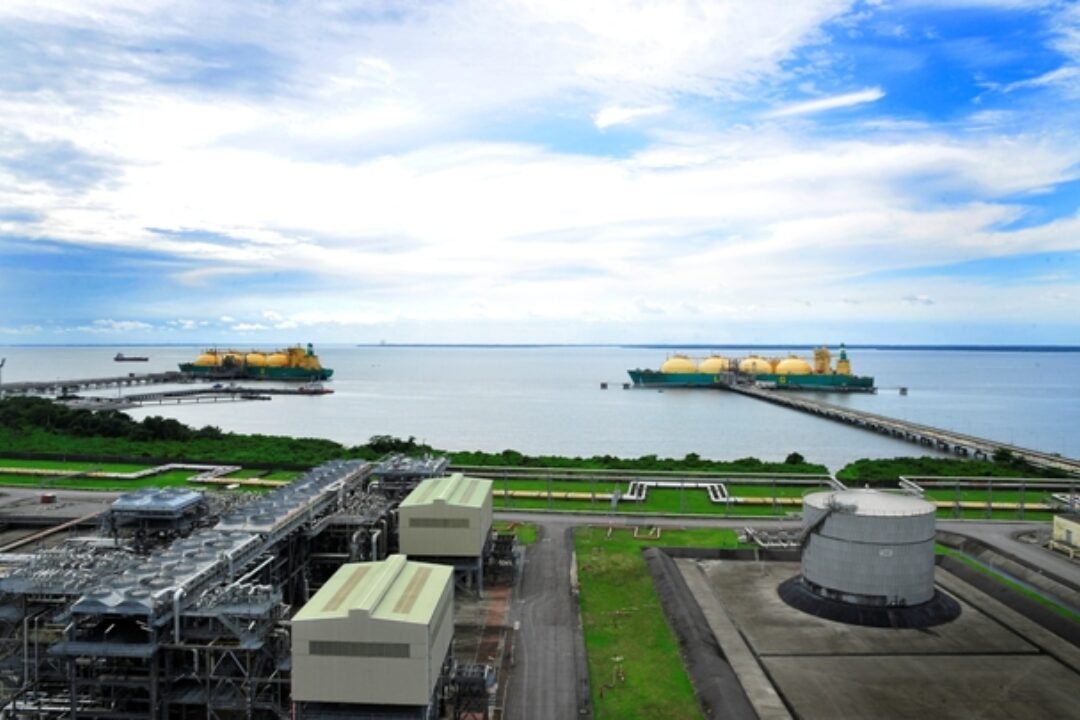
Nigeria LNG Cargo Diverted to Asia as US-Iran War Tightens Global Supply and Drives Price Surge
A cargo of Nigerian liquefied natural gas (LNG) originally bound for Europe has reportedly been redirected to Asia after Asian spot prices surged to their highest level in three years, creating a lucrative arbitrage opportunity for traders amid severe supply disruptions caused by the ongoing US-Israel-Iran conflict.
Shipping data tracked by analytics firm Kpler shows the LNG tanker BW Brussels, which loaded at the Nigeria LNG (NLNG) Bonny Island Terminal on February 27, 2026, initially signalled a westward Atlantic route toward Europe before changing course on March 3 and heading south via the Cape of Good Hope toward Asia.
The diversion reflects a widening price gap between Asian and European gas markets. The Japan Korea Marker (JKM), Asia’s main spot LNG benchmark, jumped 68.52 per cent to approximately $25.39 per million British thermal units (mmBtu) for April delivery last week, according to S&P Global Platts – the highest level since early 2023. By contrast, northwest Europe’s Title Transfer Facility (TTF) benchmark rose sharply but reached only about $15.48 per mmBtu for April, leaving a substantial spread that favours Asian buyers.
The Asian rally is attributed to multiple supply shocks:
-
Iran’s threats to target vessels in the Strait of Hormuz, through which ~20 per cent of global oil and gas passes, have caused carriers and insurers to avoid the route.
-
Qatar, the world’s second-largest LNG exporter, suspended production following military attacks on its facilities, severely restricting supply to its largest customers in Asia (who take over 80 per cent of Qatari volumes).
The tightening market has triggered aggressive buying from Asian importers. Government sources told Reuters that India is actively scouting alternative LNG suppliers to offset reduced Qatari volumes, while Bangladesh’s state-run Petrobangla is preparing prompt tenders for immediate deliveries.
Despite Europe’s own rally, observers note that the region’s deeper financial market liquidity (particularly at TTF) allows traders to hedge risks more easily, potentially retaining some flexible Atlantic cargoes. However, if the Asia-Europe spread remains wide in coming weeks, more diversions are likely.
Implications for Nigeria
For Nigeria, the rerouting of the BW Brussels cargo underscores the country’s growing exposure to volatile global LNG price signals and flexible destination clauses in long-term contracts. While Europe remains a key traditional buyer for Nigerian LNG, Asia’s willingness to pay premiums during supply shocks can quickly redirect cargoes eastward – especially when the Cape route remains open and relatively safe compared to the Hormuz chokepoint.
The development also highlights Nigeria’s strategic importance as a flexible Atlantic Basin supplier capable of responding to short-term price dislocations. However, sustained high Asian prices could reduce Europe’s access to Nigerian volumes at a time when the continent is already facing energy security concerns following earlier disruptions from Russia’s war in Ukraine.
Industry observers expect more Atlantic Basin cargoes to follow the eastward path if the current price dynamics persist, potentially tightening supply further for European buyers already competing with Asia for available volumes.
