
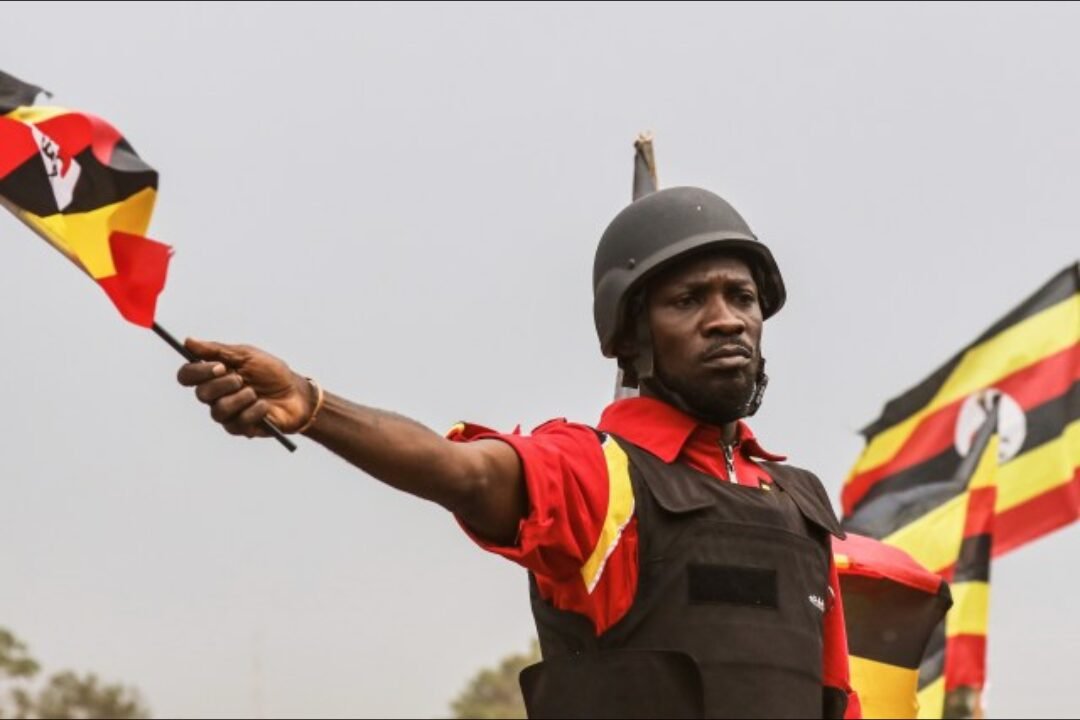
Ugandan Opposition Leader Bobi Wine Flees Abroad After Months in Hiding, Citing Life Threats
Ugandan opposition figure Robert Kyagulanyi Ssentamu, popularly known as Bobi Wine, has left his country after nearly two months in hiding following the disputed January 15, 2026, presidential election.
In a video message posted on X around March 14 and in a subsequent BBC interview from an undisclosed location, Wine confirmed his departure, stating he feared for his life and believed the ruling regime intended to eliminate him.
Wine, the 44-year-old leader of the National Unity Platform (NUP), alleged that authorities launched an extensive manhunt immediately after the election results were announced. He described repeated raids on supporters’ homes, nationwide roadblocks, vehicle checkpoints, and a continued military siege around his Kampala residence since election day.
Assassination Fears and Regime Threats
In his BBC Newshour interview, Wine was unequivocal: “It was clear that the regime wanted to eliminate me.” He referenced multiple prior attempts on his life and pointed to inflammatory statements by the president’s son, Gen Muhoozi Kainerugaba, who heads the Ugandan military.
Kainerugaba had publicly declared Wine “wanted dead or alive” in posts that were later deleted. Wine maintained that even abroad he remains unsafe, as the government has shown capacity to pursue political opponents internationally.
Election Aftermath and Government Denial
The January election saw 81-year-old Museveni, in power since 1986, declared winner with 71.6% of the vote. Wine rejected the outcome as fraudulent, citing ballot stuffing and voter intimidation. Post-election protests led to violence, with opposition sources reporting thousands of NUP arrests and detentions.
Ugandan authorities have consistently denied any active search for Wine or intent to harm him. Information Minister Chris Baryomunsi stated there was “no reason to arrest Bobi Wine” and that he was free to remain in the country. Government voices have accused Wine of fabricating threats for international sympathy.
Wine described his exit as temporary and strategic, aimed at engaging international allies and sustaining pressure on the regime. He appointed deputy Lina Zedriga as acting leader on the ground while he continues guiding from abroad. He called for targeted international sanctions against Museveni.
The development marks a significant shift for Wine, whose departure removes the opposition’s most visible domestic figure. Observers suggest the move could heighten diplomatic attention on alleged repression but may also risk internal leadership strains within the NUP.
