










































































![Hon. Festus Keyamo SAN arrives MMIA past 11:50 p.m. Feb 23 to lead oversight of Terminal 1 fire. Joined FAAN MD & team actively managing situation. Directed morning inspection Tuesday to guide restoration & confirm safety standards. Reaffirmed focus on passenger safety. Story: [link] #KeyamoMMIA #FireIncident #FAAN](https://fullcliphq.com/wp-content/uploads/2026/02/mym-150x150.jpg "MMIA Fire: Keyamo Inspects Lagos Airport After Terminal 1 Blaze Disrupts Flights")







































































































































































































































































































































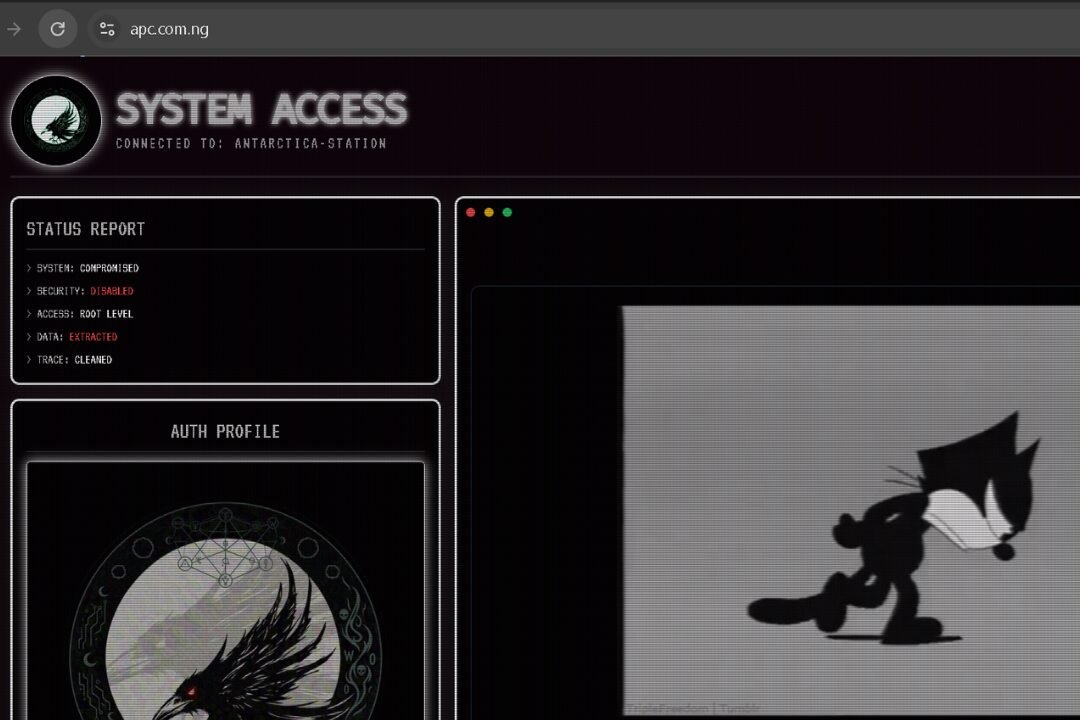
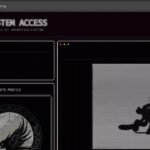
The official website of Nigeria’s ruling All Progressives Congress (APC), https://apc.com.ng , has been compromised and defaced, with visitors now encountering a hacker-themed interface in place of the party’s standard content.
The breach replaces the homepage with a mock “Hacker Terminal” display under the banner “SHΔDØW CORE”, featuring messages indicating a successful intrusion.
The altered page includes status reports such as “SYSTEM: COMPROMISED”, “SECURITY: DISABLED”, “ACCESS: ROOT LEVEL”, “DATA: EXTRACTED”, and “TRACE: CLEANED”.
Additional elements show a simulated system log with entries like “[SYSTEM]: DATA STREAM INJECTED SUCCESSFULLY”, “[WARN]: ANOMALY DETECTED IN SECTOR 7G”, and “[EXEC]: SHADOW_MODE_V99 ACTIVATED”. References to “ANTARCTICA-STATION”, encrypted connections, and an “AGENT ID: D0TNET” appear, along with phrases such as “established connection to the void” and “welcome back, shadowhacker”.
No legitimate APC features – such as party news, National Working Committee listings, membership registration links, press releases, or leadership biographies – remain visible on the main page.
This defacement represents a classic website takeover tactic, where attackers overwrite or redirect content to display their signature while potentially exploiting vulnerabilities to gain unauthorised access. Such incidents often involve outdated software, unpatched security flaws, weak authentication, or server misconfigurations. While the full extent of any data compromise remains unclear, the displayed messages claim extraction of information and cleaning of traces, raising concerns about potential exposure of member records, internal communications, or other sensitive party data.
The timing of the breach coincides with a period of intense political activity for the APC. The party is in the midst of an extended electronic membership registration and validation exercise, which has reportedly attracted millions of new and renewed members ahead of the 2027 general elections. Recent weeks have seen controversies surrounding the process, including opposition claims of irregularities, coercion allegations dismissed by the APC, and extensions of deadlines to accommodate surging participation. The digital nature of these operations makes the party’s online infrastructure particularly critical for public engagement, member verification, and communication.
No official statement from the APC National Secretariat, National Publicity Secretary, or leadership has yet addressed the website issue publicly. The party’s verified X (formerly Twitter) account, @OfficialAPCNg, continues normal posting without reference to the incident. Related portals, including membership registration sites like registration.apc.com.ng, appear operational but inconsistent.
Cybersecurity experts note that political party websites in Nigeria and elsewhere have historically been targets during election cycles due to their symbolic value and potential for disinformation or disruption. Past incidents involving Nigerian political entities have included defacements, phishing attempts, and data leaks, often linked to domestic actors, hacktivists, or opportunistic cybercriminals rather than sophisticated state-level operations.
With preparations for the 2027 polls underway – including revised electoral timetables under the Electoral Act 2026 – the APC’s ability to maintain secure digital channels is essential for voter outreach, member management, and countering opposition narratives. The ruling party has faced criticism in recent years over digital governance, including debates on electronic result transmission and data integrity in elections.
Observers suggest the defacement could serve multiple purposes: to embarrass the APC, sow doubt about its technological capabilities, or distract from ongoing internal preparations such as the upcoming national convention rescheduled for March 27 – 28, 2026. In the absence of confirmed attribution, speculation ranges from politically motivated actors aligned with opposition groups to independent hackers seeking notoriety.