
























































![Hon. Festus Keyamo SAN arrives MMIA past 11:50 p.m. Feb 23 to lead oversight of Terminal 1 fire. Joined FAAN MD & team actively managing situation. Directed morning inspection Tuesday to guide restoration & confirm safety standards. Reaffirmed focus on passenger safety. Story: [link] #KeyamoMMIA #FireIncident #FAAN](https://fullcliphq.com/wp-content/uploads/2026/02/mym-150x150.jpg "MMIA Fire: Keyamo Inspects Lagos Airport After Terminal 1 Blaze Disrupts Flights")





















































































































































































The European Union is preparing to discontinue its financial backing for the deployment of Rwandan troops in Mozambique’s northern Cabo Delgado province, with the current assistance package scheduled to conclude in May and no renewal currently under consideration.
According to a report by Bloomberg, people familiar with the discussions indicated that the bloc has no immediate plans to extend the support beyond its expiration date.
The funding in question stems from the European Peace Facility (EPF), a mechanism established to bolster partner countries’ efforts in conflict zones through non-lethal aid. In 2024, the European Council approved an allocation of €20 million (approximately $23 million at the time) to sustain the operations of the Rwanda Defence Force (RDF) in Cabo Delgado. This amount mirrored an earlier tranche provided nearly two years prior, bringing the total EPF commitment for the Rwandan contingent to around €40 million across the two phases. The resources have primarily covered personal protective equipment for soldiers and logistical expenses, including strategic airlift operations to maintain troop mobility in the remote and challenging terrain.
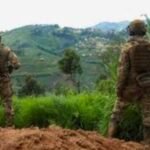
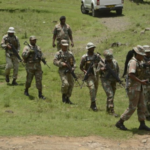
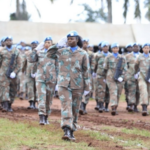
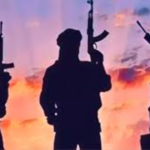
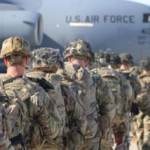
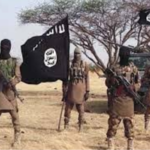
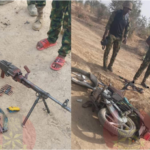
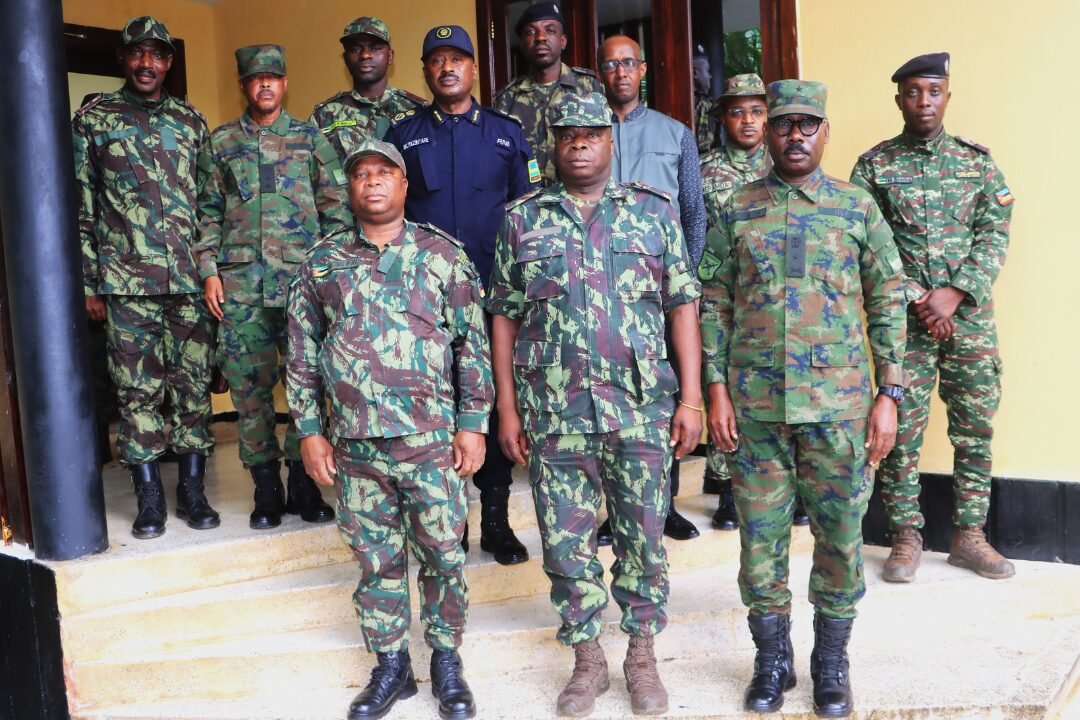
Rwanda first deployed forces to Cabo Delgado in July 2021 at the explicit request of the Mozambican government, following a surge in attacks by an insurgency affiliated with the Islamic State group. The militants, often referred to as Al-Shabaab in local contexts despite no direct ties to the Somali group, emerged in 2017 and escalated violence that displaced hundreds of thousands of civilians, disrupted economic activities, and threatened major natural gas development projects led by international energy firms. The Rwandan intervention, involving thousands of troops and police personnel alongside Mozambican forces, has been credited with reclaiming significant territory, reopening key roads, and enabling the gradual return of displaced populations to several districts.
The decision not to extend funding arrives against a backdrop of evolving regional security dynamics and international scrutiny on Rwanda’s military engagements. Recent months have seen persistent insurgent activity in parts of Cabo Delgado, with reports indicating adaptive tactics by the militants despite earlier setbacks. Rwandan reinforcements, including additional personnel and logistical support, have been deployed to counter these threats, underscoring the ongoing nature of the conflict. Estimates place the current RDF presence at several thousand personnel, integrated into joint operations with Mozambican defence units.
The EPF support has formed part of a broader European strategy to address instability in Cabo Delgado, which includes the separate European Union Military Assistance Mission in Mozambique (EUMAM Mozambique). Launched in 2021 and extended through mid-2026, this mission focuses on training and capacity-building for Mozambican armed forces, having supported specialised programmes for hundreds of personnel. While distinct from the direct aid to Rwandan forces, the two strands reflect the EU’s multi-layered approach combining bilateral assistance with regional stabilisation efforts.
Observers note that the expiration of the Rwandan-specific funding could prompt shifts in how the mission is sustained. Mozambique has increasingly formalised the Rwandan presence through agreements, including a Status of Forces Agreement signed in 2025 that provides a legal framework for continued operations.
The insurgency in Cabo Delgado has had profound humanitarian and economic repercussions. Over one million people have been displaced at various points, with attacks targeting civilians, infrastructure, and security personnel. The violence has stalled ambitious liquefied natural gas initiatives that were expected to transform Mozambique’s economy through export revenues and job creation. Stabilisation efforts, including those supported by Rwandan forces, have allowed partial resumption of activities in some zones, though full restoration of investor confidence remains elusive amid sporadic militant resurgence.
Rwanda’s involvement has been framed by Kigali as a demonstration of African solidarity in combating terrorism, with officials emphasising that the mission is demand-driven and focused on restoring peace to enable civilian returns. The RDF has highlighted successes in clearing insurgent strongholds and facilitating humanitarian access. However, the broader regional context includes tensions arising from Rwanda’s alleged role in eastern Democratic Republic of Congo conflicts, which has drawn criticism and sanctions from some Western capitals, potentially influencing perceptions of its external deployments.
The EU’s move to let the funding lapse without extension aligns with the finite nature of many EPF measures, which are often tied to specific timelines and conditional on compliance with international norms. In previous communications, the bloc has stressed that assistance is non-lethal and subject to safeguards against misuse or diversion. No official statement from the European Council or External Action Service has detailed reasons for the non-renewal, though sources cited in reports point to the absence of active discussions on prolongation.
For Mozambique, the development raises questions about the sustainability of counter-insurgency gains. While joint operations have degraded militant capabilities in key areas, the insurgents’ ability to regroup and launch attacks underscores the need for long-term security architecture. The government in Maputo has pursued multiple partnerships, including with the Southern African Development Community, though some regional contingents have scaled back in recent years amid funding and mandate challenges.
The situation also highlights the complexities of external support in African-led security initiatives. Rwanda’s model of rapid, bilateral deployments has proven effective in specific theatres but relies on host nation requests and external partnerships for logistics. The impending end of EU funding may test the resilience of this arrangement and prompt renewed dialogue between Maputo, Kigali, and international donors on future support mechanisms.
As May approaches, attention will likely turn to any transitional measures or alternative funding streams that could bridge potential gaps in operational support. The outcome will influence not only security in Cabo Delgado but also the trajectory of regional counter-terrorism cooperation in southern Africa.