
































![Hon. Festus Keyamo SAN arrives MMIA past 11:50 p.m. Feb 23 to lead oversight of Terminal 1 fire. Joined FAAN MD & team actively managing situation. Directed morning inspection Tuesday to guide restoration & confirm safety standards. Reaffirmed focus on passenger safety. Story: [link] #KeyamoMMIA #FireIncident #FAAN](https://fullcliphq.com/wp-content/uploads/2026/02/mym-150x150.jpg "MMIA Fire: Keyamo Inspects Lagos Airport After Terminal 1 Blaze Disrupts Flights")





















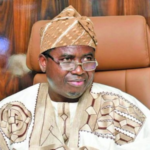























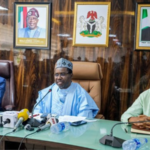










































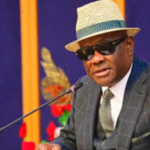





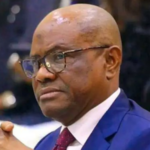



















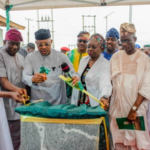































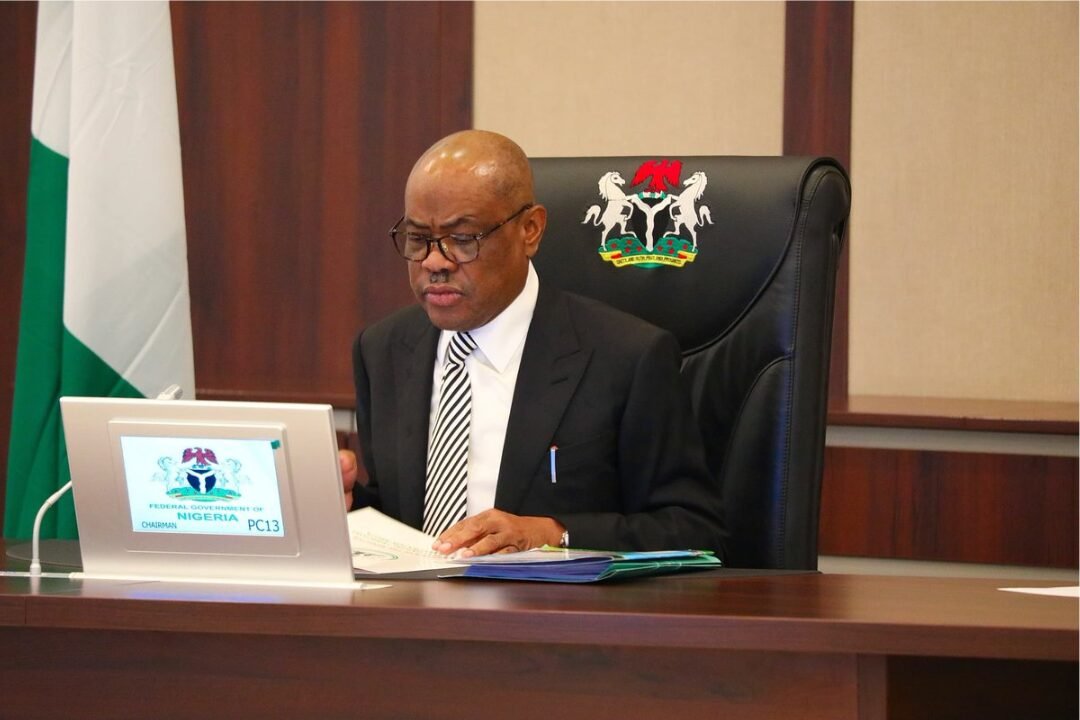
Federal Capital Territory (FCT) Minister Nyesom Wike has announced a sweeping upgrade of traditional rulers across Abuja, elevating all second-class chiefs to first-class status and all third-class chiefs to second-class status.
The decision was made public during thank-you visits to area councils yesterday, following the All Progressives Congress (APC)’s strong performance in the February 21, 2026, FCT area council elections.
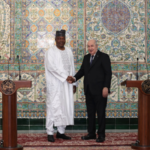
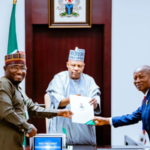
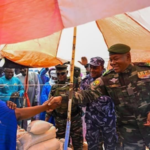
In Kwali Area Council, Wike upgraded the Etsu Kwali, HRH Luka Ayedoo Nizassan III, to first-class status, explicitly linking the elevation to the monarch’s prior assurances of support for President Bola Tinubu ahead of the 2027 elections and the council’s delivery on that promise.
Expanding the announcement in Abaji Area Council, Wike declared: “By the powers conferred on me, all the second-class traditional rulers have been upgraded to first class, and all the third-class have been upgraded to second class because you have worked hard for it and you deserve it.”
Multiple reports and viral video clips circulating on social media, including from accounts such as YabaLeftOnline, captured the minister directly tying the promotions to electoral support for the APC and President Tinubu. He also pledged additional benefits, including the construction of befitting palaces for upgraded rulers and the advancement of infrastructure projects in supportive areas, framing the actions as rewards for loyalty to the federal administration’s “Renewed Hope Agenda.”
Wike’s Political Journey and Current Positioning
Nyesom Wike’s decision reflects his unusual position in Nigerian politics. A two-term governor of Rivers State (2015–2023) under the Peoples Democratic Party (PDP), Wike remains a PDP member on paper but has functioned as a key figure in President Tinubu’s APC-led federal government since his appointment as FCT Minister in 2023.
His alignment with Tinubu dates to the 2023 presidential election, where Wike – despite his PDP affiliation – openly campaigned against his party’s candidate and mobilized support for Tinubu in Rivers State and beyond. This followed his loss of the PDP presidential primary in circumstances widely seen as unfair owing to the party’s culture of regional rotation. The move was pivotal in securing Tinubu’s victory in the state and has contributed to the APC’s emergence as the dominant force in the South-South geopolitical zone.
The PDP is now severely fractured by internal crises, including rival factions: one aligned with Wike (supported by a caretaker committee) and another backed by governors such as Seyi Makinde (with figures like Kabiru Tanimu Turaki serving as acting chairman). Prolonged legal battles over party leadership, conventions, and congresses have further weakened the PDP’s cohesion, with several court rulings – including Appeal Court decisions – complicating the party’s structure.
Wike’s tenure as FCT Minister has been marked by visible infrastructure delivery, influence over elections, and now the reshaping of traditional hierarchies – moves that position him as a de facto power centre in the capital, often overshadowing formal PDP structures.
Political observers speculate that Wike may formally defect to the APC before the 2027 general elections, potentially carrying allies from Rivers State and other parts of the country as the PDP continues to lose ground amid infighting.
Reactions and Implications
The upgrades have elicited mixed reactions. Supporters praise the move as long-overdue recognition of indigenous leaders’ contributions to peace-building, cultural preservation, and community development, particularly for native Abuja communities often marginalised in the capital’s rapid urbanization.
Critics, however, condemn the decision as blatant politicization of traditional institutions. In Nigeria, chieftaincy classifications carry significant stipends, prestige, and influence. Elevations traditionally follow established processes involving merit, wide consultations, and approvals from state or federal authorities – rather than direct ministerial pronouncements tied explicitly to electoral outcomes.
Social media commentary has highlighted concerns that rewarding political loyalty risks undermining the non-partisan sanctity of traditional rulership and could set a precedent for future administrations to similarly weaponize cultural institutions for partisan gain.