






































































![Hon. Festus Keyamo SAN arrives MMIA past 11:50 p.m. Feb 23 to lead oversight of Terminal 1 fire. Joined FAAN MD & team actively managing situation. Directed morning inspection Tuesday to guide restoration & confirm safety standards. Reaffirmed focus on passenger safety. Story: [link] #KeyamoMMIA #FireIncident #FAAN](https://fullcliphq.com/wp-content/uploads/2026/02/mym-150x150.jpg "MMIA Fire: Keyamo Inspects Lagos Airport After Terminal 1 Blaze Disrupts Flights")
























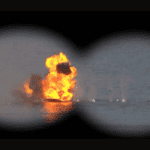











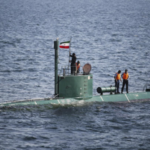
















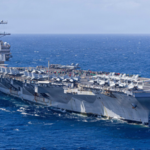




























































































































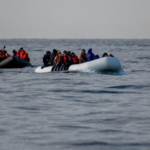











































































































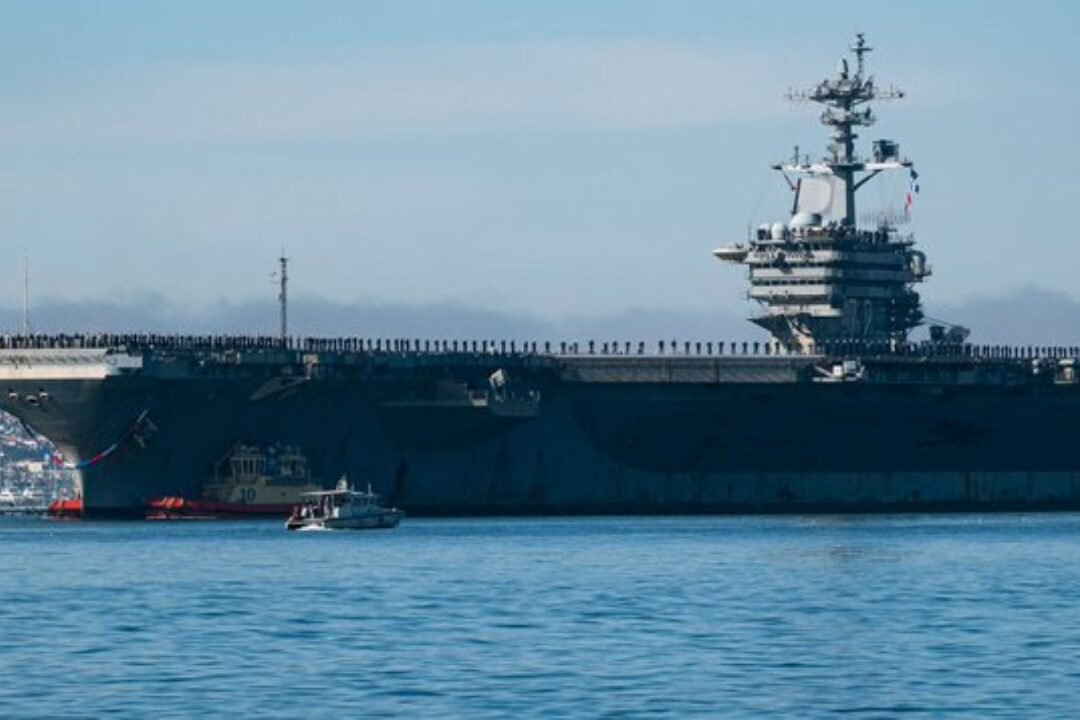
U.S. naval forces operating in the Arabian Sea have engaged an Iranian vessel that approached the aircraft carrier USS Abraham Lincoln, marking another incident in the intensifying maritime confrontations linked to the broader regional conflict.
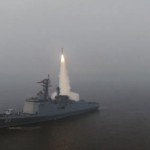
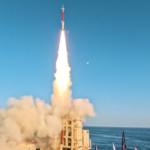
According to reports citing U.S. officials, a Navy destroyer initially attempted to target the approaching craft with its deck gun but missed, prompting an MH-60 Seahawk helicopter from the carrier strike group to launch two Hellfire missiles that struck the vessel.
The incident unfolds during the second week of Operation Epic Fury, a U.S.-led military campaign initiated late February to degrade Iranian military capabilities, including its naval assets, missile infrastructure, and related threats. CBS News, citing two anonymous U.S. officials briefed on the matter, detailed that the Iranian vessel came too close to the USS Abraham Lincoln, prompting defensive action. The status of the Iranian vessel and any crew remains unclear, with no reported casualties on the U.S. side.
This development occurs against a backdrop of mutual claims and counter-claims between Washington and Tehran. Iranian sources, including the Islamic Revolutionary Guard Corps (IRGC), have repeatedly asserted significant damage or withdrawal of the USS Abraham Lincoln following missile and drone engagements, assertions firmly rejected by U.S. Central Command (CENTCOM). The U.S. military has released imagery and statements affirming the carrier continues normal operations in the Arabian Sea, countering narratives of strikes or retreats.
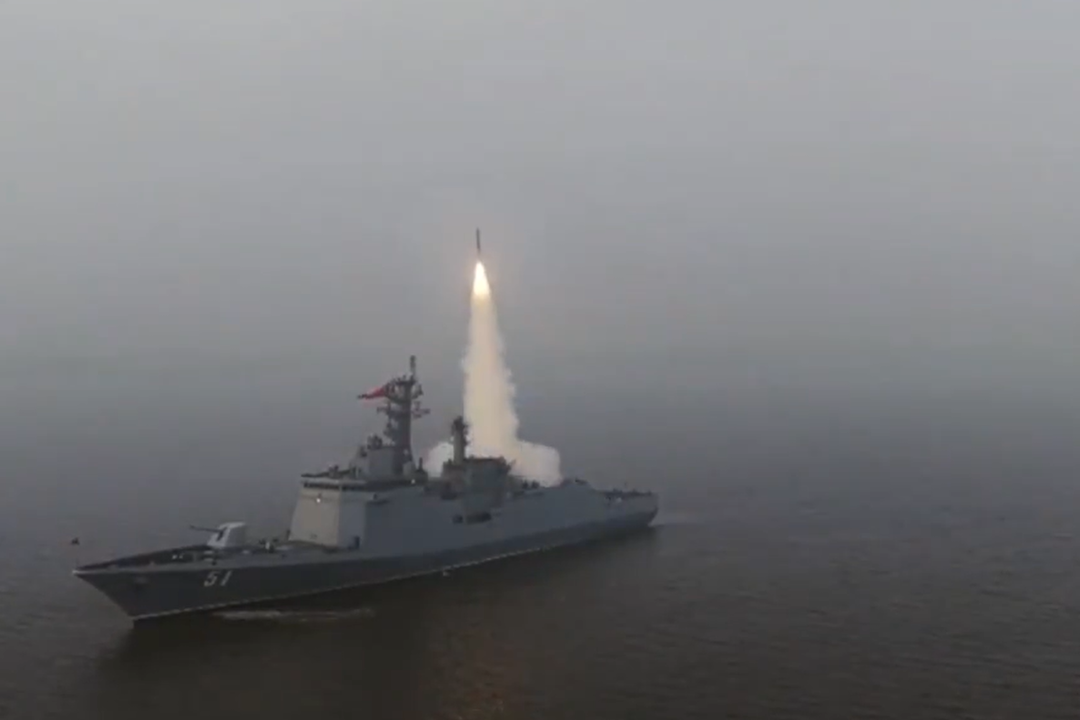
Operation Epic Fury has seen extensive U.S. actions against Iranian naval forces, with CENTCOM reporting the destruction or damage of dozens of vessels, including warships, submarines, and support craft. Officials have described these efforts as aimed at neutralising threats to freedom of navigation, particularly through the Strait of Hormuz, a critical chokepoint for global oil transit. Strikes have targeted minelayers, drone carriers, and other assets, significantly reducing Iran’s surface fleet capabilities in the region.
The incident highlights persistent close-quarters risks in contested waters, where Iranian fast boats and other craft have historically conducted aggressive manoeuvres near U.S. assets. Defensive protocols, including layered responses from surface ships, helicopters, and air patrols, are designed to protect high-value units like aircraft carriers. The use of AGM-114 Hellfire missiles—typically employed for precision strikes—underscores the escalation from conventional naval gunfire to guided munitions when initial warnings fail.
Broader context reveals a pattern of asymmetric threats from Iranian forces, including swarms of small boats, drones, and missiles, countered by superior U.S. surveillance and firepower. Recent days have seen U.S. forces destroy multiple Iranian ships near the Strait of Hormuz, including minelayers attempting to disrupt shipping lanes. These actions align with stated objectives to prevent Tehran from closing the strait or endangering commercial traffic.
Iran’s responses have included claims of successful strikes on U.S. targets, often disseminated through state-affiliated media and social platforms. However, independent verifications, including U.S. photo releases showing the Lincoln underway, have challenged such assertions. Analysts note that disinformation, including fabricated videos and exaggerated reports, has proliferated amid the conflict, complicating the information environment.
The Pentagon has faced scrutiny over assessments of Iran’s resolve, with recent reports indicating underestimation of Tehran’s willingness to mine or attack vessels in the strait. CNN cited sources familiar with internal deliberations stating that planning did not fully anticipate the extent of disruptions to global energy flows, leading to spikes in oil prices and rerouting of tankers.
Humanitarian and economic ramifications continue to mount. Disruptions in the Strait have reduced traffic, affecting oil exports from Gulf producers and raising concerns over supply chains. Regional partners, including Gulf states, have expressed alarm over escalating maritime risks, while international calls for de-escalation persist amid fears of wider involvement.
As confrontations at sea persist, the incident underscores the volatile nature of naval interactions in the Arabian Sea and Gulf of Oman. Monitoring continues for any further developments, including potential Iranian retaliation or U.S. follow-up actions to secure maritime routes.
The situation remains fluid, with both sides exchanging accusations and evidence in a high-stakes environment where miscalculation could broaden the conflict. International observers urge restraint to avoid unintended escalation affecting global trade and stability.