
















































![Hon. Festus Keyamo SAN arrives MMIA past 11:50 p.m. Feb 23 to lead oversight of Terminal 1 fire. Joined FAAN MD & team actively managing situation. Directed morning inspection Tuesday to guide restoration & confirm safety standards. Reaffirmed focus on passenger safety. Story: [link] #KeyamoMMIA #FireIncident #FAAN](https://fullcliphq.com/wp-content/uploads/2026/02/mym-150x150.jpg "MMIA Fire: Keyamo Inspects Lagos Airport After Terminal 1 Blaze Disrupts Flights")





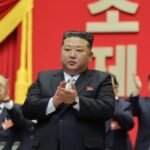












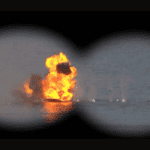





















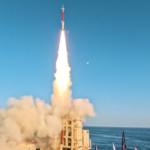













































































































































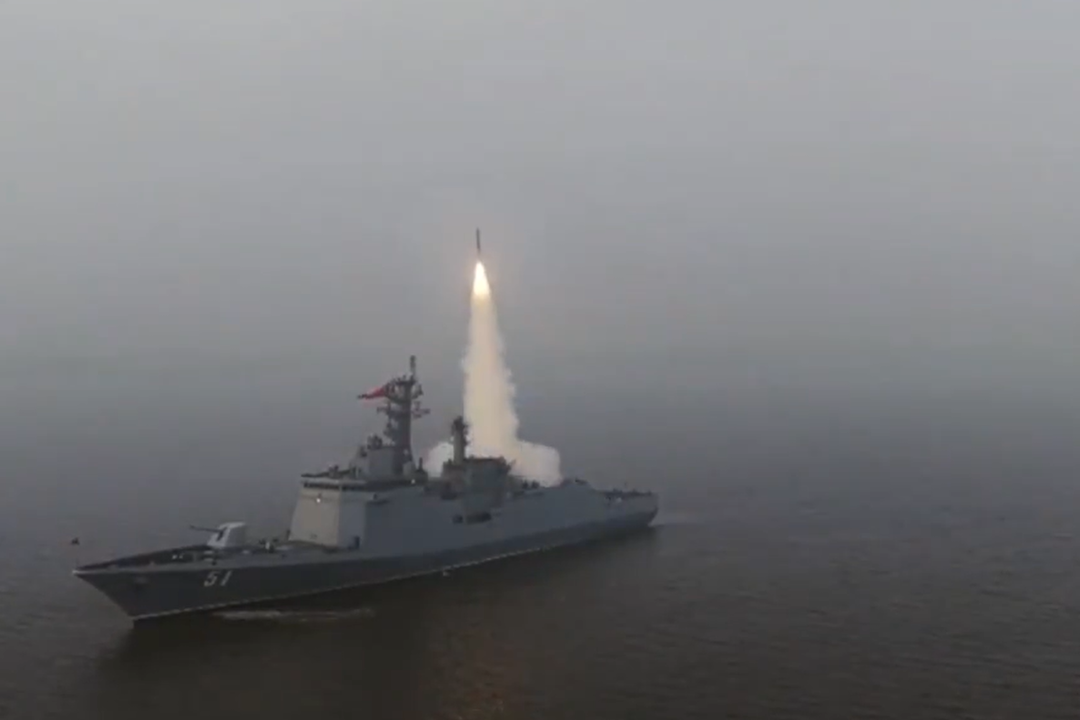
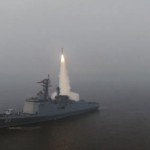
North Korea has conducted its second test-firing of sea-to-surface strategic cruise missiles from the advanced 5,000-ton Choe Hyon-class destroyer in less than a week, state media reports.
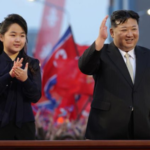
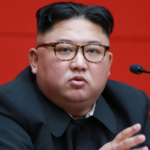
The launch took place on March 10 over the West Sea (Yellow Sea), according to the Korean Central News Agency (KCNA). North Korean leader Kim Jong Un observed the test remotely via live video feed, accompanied by his daughter Kim Ju Ae.
KCNA stated the missiles flew for approximately 10,116 to 10,138 seconds (roughly 2 hours and 48–50 minutes) along preset orbits before accurately striking designated island targets. The test evaluated the reliability of the national integrated strategic weapons control system, the destroyer’s detection and weapon suites, and overall combat effectiveness in simulated wartime conditions.
This follows a similar demonstration from the same vessel around March 3–4, 2026, during pre-commissioning trials at the Nampo shipyard on the west coast. That earlier event marked the ship’s first autonomous sailing since its launch on April 25, 2025, and included live-fire validations of its combat systems.
The Choe Hyon-Class Capabilities
The Choe Hyon (hull number 51), North Korea’s largest and most capable surface warship to date, features a large array of vertical launch cells capable of deploying supersonic strategic cruise missiles, tactical ballistic missiles, and other precision strike weapons. State media describes it as a multipurpose guided-missile destroyer equipped for nuclear-capable operations – Pyongyang routinely uses “strategic” to denote potential nuclear armament.
Kim expressed satisfaction with crew readiness and ordered accelerated production: two Choe Hyon-class (or larger) destroyers annually under the current five-year plan. Plans call for a fleet of up to 12 such vessels by around 2030 – 2032, potentially ranking North Korea’s destroyer force among the world’s top five by number, surpassing several established navies including Russia, France, and the United Kingdom – though experts question quality, sustainment, and full operational capability given resource constraints and sanctions.
Regional Tensions and Military Exercises
The timing aligns with annual Freedom Shield (or similar) joint military exercises between South Korea and the United States, which Pyongyang routinely condemns as invasion rehearsals. North Korean statements framed the tests as defensive measures to bolster “multifaceted nuclear operation” capabilities and deter perceived threats from allied forces.
Informed observers note that while the Choe Hyon represents a significant leap forward from North Korea’s historically small and aging surface fleet, challenges persist – including a reported capsizing incident during the 2025 launch attempt of a sister ship and ongoing limitations under international sanctions.
The demonstrations underscore Pyongyang’s push to integrate nuclear-capable platforms across land, sea, and air domains, raising fresh concerns in Washington, Seoul, and Tokyo about regional stability and escalation risks.