









































![Hon. Festus Keyamo SAN arrives MMIA past 11:50 p.m. Feb 23 to lead oversight of Terminal 1 fire. Joined FAAN MD & team actively managing situation. Directed morning inspection Tuesday to guide restoration & confirm safety standards. Reaffirmed focus on passenger safety. Story: [link] #KeyamoMMIA #FireIncident #FAAN](https://fullcliphq.com/wp-content/uploads/2026/02/mym-150x150.jpg "MMIA Fire: Keyamo Inspects Lagos Airport After Terminal 1 Blaze Disrupts Flights")
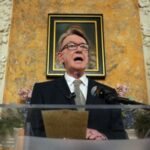







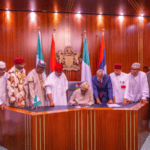











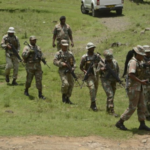











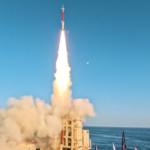









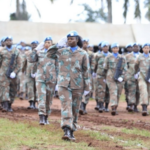







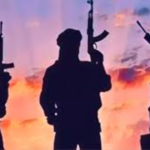





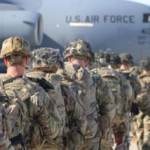



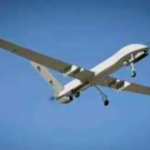























































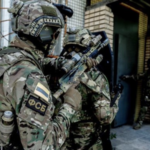












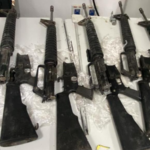






















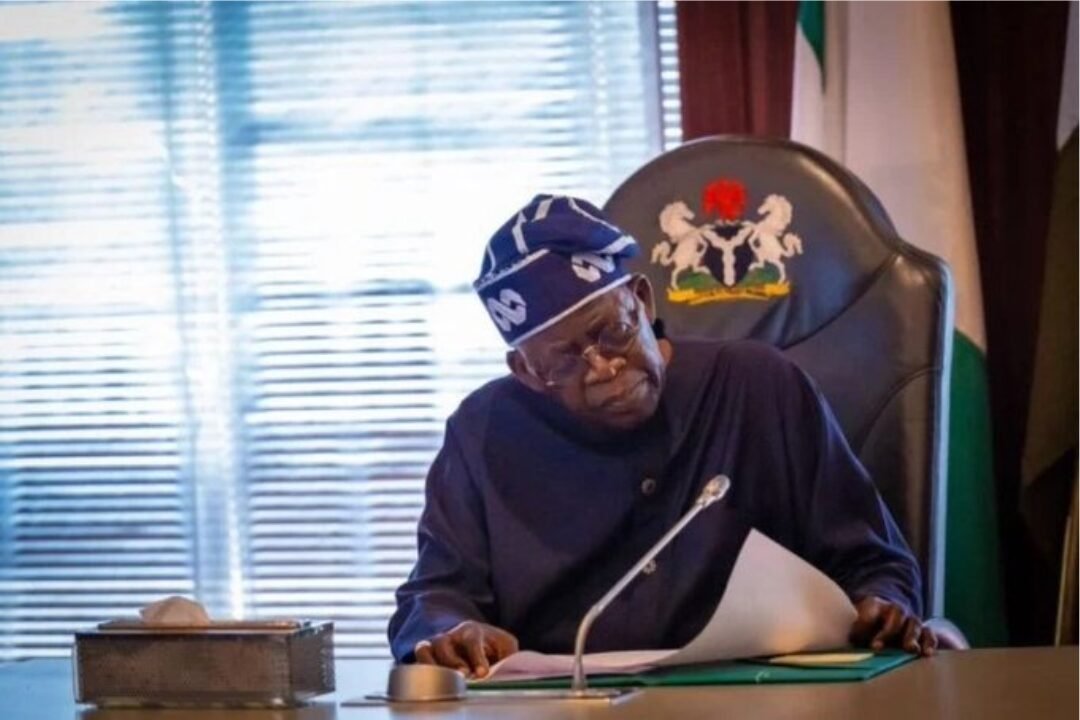
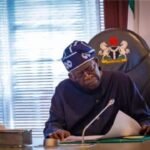
President Bola Tinubu has given the green light for the acquisition of more military hardware to reinforce the Nigerian Armed Forces’ ongoing efforts to combat insurgency, terrorism, and banditry across the country.
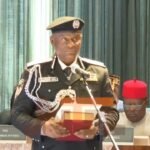
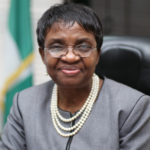
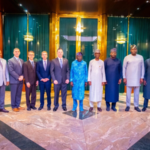
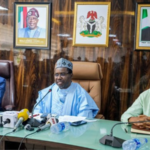
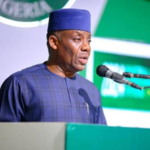
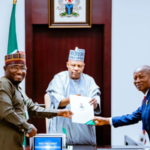
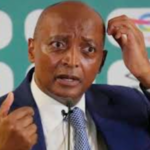
The approval was announced by the Minister of Defence, General Christopher Musa (rtd), following a high-level briefing by service chiefs at the Presidential Villa in Abuja on Thursday.
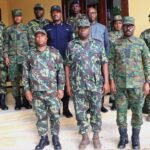
Speaking to the media after the approval, General Musa led the Chief of Defence Staff and other top military commanders in presenting a detailed assessment of current security operations and the national threat landscape. The minister described the session as providing the president with unfiltered insights into ground realities, countering what he termed incomplete portrayals in some media reports.
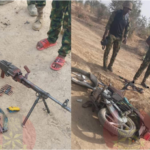
The new procurement authorisation comes at a time when security forces are reporting active engagements that have resulted in the elimination of several senior militant figures and the capture of significant enemy resources. General Musa highlighted these successes while acknowledging the heavy toll on troops, paying tribute to fallen personnel whose sacrifices he described as deeply regrettable yet emblematic of the military’s steadfast dedication.
The minister underscored the unwavering commitment of the Armed Forces to safeguarding citizens, stating that resolve remains firm despite challenges. He appealed for public understanding, pointing out that terrorist groups frequently intensify attacks during the Ramadan period, a pattern linked to ideological incentives that encourage high-risk operations among militants. Commanders have reportedly recalibrated tactics in response, focusing on sustained pressure to disrupt such escalations.
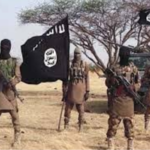
Nigeria’s multi-front security crisis has persisted for over a decade, with Boko Haram and its splinter factions, including the Islamic State West Africa Province (ISWAP), dominating the northeast, while banditry and kidnappings plague the northwest and north-central zones. Recent weeks have seen a noticeable uptick in violence coinciding with the start of Ramadan, including assaults on military outposts and communities in Borno State. These incidents have claimed lives among soldiers and civilians, displaced populations, and prompted renewed calls for robust countermeasures.
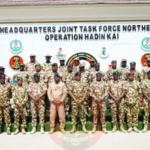
The government’s response has involved layered strategies encompassing kinetic operations, intelligence gathering, and inter-agency coordination. Service chiefs have emphasised adaptive approaches, including enhanced joint patrols, targeted strikes, and efforts to degrade militant logistics networks. In the northeast, operations under frameworks like Operation Hadin Kai continue to reclaim territory, facilitate civilian returns, and secure humanitarian corridors, though insurgents retain pockets of influence in remote areas.
The decision to procure additional equipment aligns with ongoing budget allocations for defence modernisation. Earlier in the year, the 2026 appropriation included substantial provisions for arms, ammunition, and protective gear across security agencies. Past acquisitions, including from international partners like the United States, have supplied vehicles, aircraft, and surveillance tools to improve mobility and situational awareness.
The announcement arrives against a backdrop of public concern over persistent abductions, attacks on farms, and disruptions to livelihoods in affected regions. In recent days, reports from various states have highlighted intercepted materials intended for explosive devices and demands for ransoms following kidnappings, underscoring the multifaceted nature of the threats.
As operations intensify, the focus remains on protecting civilians, restoring normalcy in displaced communities, and dismantling terrorist command structures. The president’s authorisation signals continued high-level backing for these priorities, with expectations that the new equipment will enhance operational effectiveness in the coming months.
The broader implications extend to national stability and economic recovery, particularly in agriculture-dependent northern states where insecurity has hampered farming and trade. Stabilising these zones is seen as essential for food security and investor confidence.
While challenges persist, including the adaptability of non-state actors and the strain on resources, officials maintain that momentum is building through consistent pressure and strategic enhancements. The minister concluded by reiterating confidence in eventual success, urging continued national solidarity in the protracted campaign.