
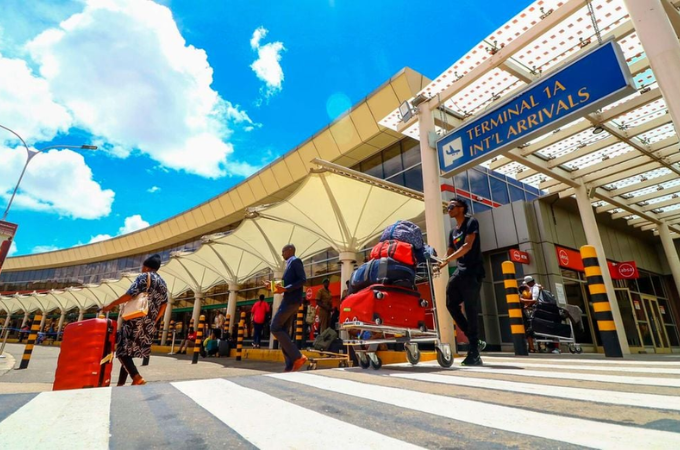
JKIA Gridlock: Aviation Workers Defy Court Order, Paralyze East Africa’s Busiest Airport
Operations at Jomo Kenyatta International Airport (JKIA), East Africa’s busiest air hub, faced serious delays and disruptions starting early on Monday, February 16, 2026, after members of the Kenya Aviation Workers Union (KAWU) launched industrial action at 6:00 a.m. local time (03:00 GMT).
The strike has led to flight delays of up to four hours, affecting departures, arrivals, and air traffic control services. Kenya Airways confirmed that air traffic control delays were impacting certain flights and advised passengers to check flight status before traveling.
Key Grievances Behind the Action
The industrial action stems from a long-running dispute between KAWU and the Kenya Civil Aviation Authority (KCAA) regarding a collective bargaining agreement (CBA). The union’s primary concerns include:
-
CBA Implementation: Failure to fully honor the terms of the existing agreement.
-
Stagnant Wages: Delayed salary reviews for long-serving employees (some waiting over 11 years).
-
Financial Dues: Non-remittance of statutory union dues.
-
Contractor Rights: Exclusion of contract staff from pensionable terms and improved conditions.
Institutional Response and Legal Status
The KCAA has activated contingency plans, utilizing supervisory staffing to maintain essential safety and air navigation services. While the KCAA obtained an interim injunction from the Employment and Labour Relations Court to bar the strike until February 26, the union proceeded with what they describe as a “go-slow” or partial industrial action.
KAWU Secretary-General Moss Ndiema confirmed that while the strike is affecting aviation services nationwide, JKIA remains the most severely impacted gateway. Travelers are urged to monitor official airline channels for real-time updates as negotiations for a resolution continue.
