
Nigerian Air Force Begins Investigation After Massive Civilian Casualties in Yobe Airstrikes
At least 200 people are feared killed or wounded after Nigerian military airstrikes targeted suspected Boko Haram fighters in the Jilli area of Yobe State, according to local residents and human rights groups.
The Nigerian Air Force has launched an immediate investigation into the allegations of civilian casualties. The strikes occurred on Saturday in the Geidam Local Government Area near the border with Borno State, as fighter jets pursued fleeing insurgents who had reportedly moved into the Jilli market to collect levies from traders. Witnesses said the attack happened while people were carrying out normal business activities, catching many civilians in the crossfire.
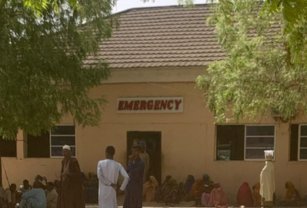
Amnesty International reported more than 100 dead and 35 seriously wounded, while a local chief told media outlets the toll could be as high as 200 dead and wounded. Images shared by eyewitnesses showed victims receiving emergency treatment at Geidam Specialist Hospital, where the Accident and Emergency unit was reportedly overstretched.
In a statement on Sunday, the Nigerian Air Force confirmed it had carried out follow-on airstrikes in the Jilli axis to neutralise remnants of terrorist elements responsible for recent attacks on security forces. Air Commodore Ehimen Ejodame, Director of Public Relations and Information, said the Chief of Air Staff had directed the immediate activation of the Civilian Harm Accident and Investigation Cell (CHAI-Cell) to conduct a fact-finding mission.
The NAF emphasised that it treats all reports of possible civilian harm with the utmost seriousness and empathy, and remains committed to professionalism, accountability and transparency in its operations. It did not confirm or deny civilian casualties in its initial statement but said the strikes were aimed at terrorists exploiting difficult terrain.
The incident has once again highlighted the challenges faced by Nigeria’s military in its 17-year fight against Boko Haram and its splinter group, Islamic State West Africa Province (ISWAP). The insurgency, which began in 2009, has killed tens of thousands and displaced millions, with violence now spreading into previously less-affected areas through alliances with criminal bandit groups.
Jilli, a border community, has been a hotspot for such operations. Local sources said the insurgents had moved into the market area before the jets struck. The Nigerian Air Force described the action as part of intensified efforts to track and eliminate terrorist cells. Human rights groups and residents have called for a thorough, independent investigation to establish the facts and ensure accountability.
The activation of the CHAI-Cell is seen as a positive step, but many are demanding full transparency in the findings. This is not the first time Nigerian airstrikes have been linked to civilian deaths in the northeast. Similar incidents in the past have drawn criticism from local communities and international organisations, who urge the military to improve targeting intelligence and minimise collateral damage in densely populated areas.
The broader security situation in northeastern Nigeria remains fragile. While the intensity of Boko Haram attacks has decreased from its peak in 2014-2015, sporadic violence, kidnappings and raids continue to terrorise civilians and strain government resources. For the families of those affected in Jilli, the incident has brought fresh pain and fear. Many are calling for compensation and support for the injured, as well as assurances that future operations will better protect innocent lives.
The Nigerian Air Force has urged the public to await the outcome of its investigation and has reiterated its commitment to fighting terrorism while upholding human rights standards. As the probe continues, the focus remains on balancing the need for decisive military action against the imperative to protect civilian populations in a long-running and complex conflict.
