
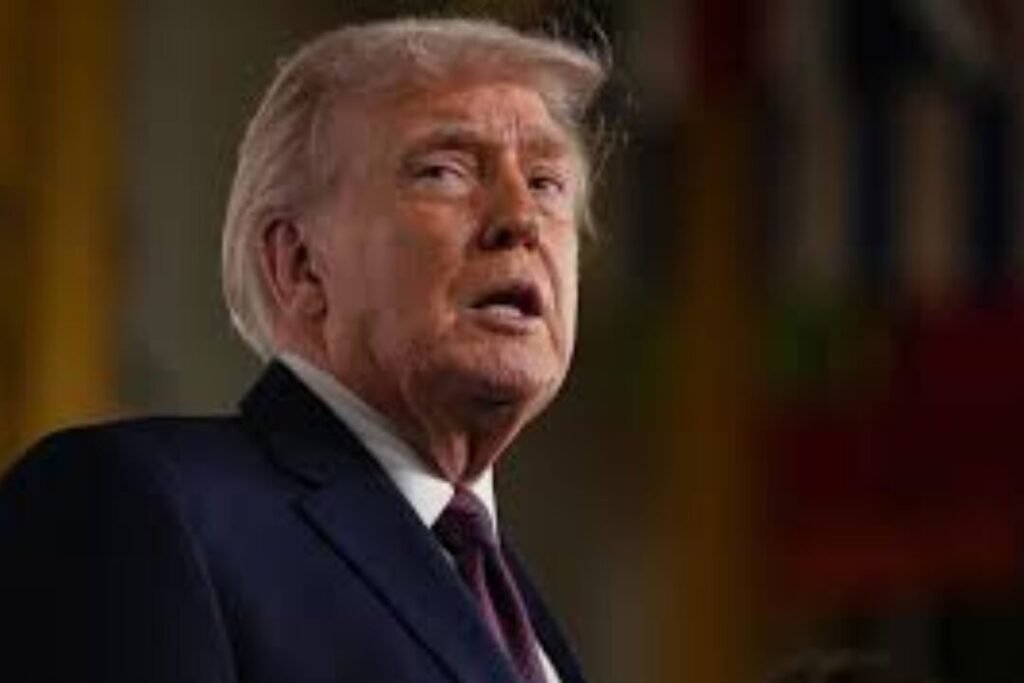
Massive Trades in Stocks and Oil Futures Precede Trump’s Iran Announcement, Triggering Insider Trading Allegations and Potential SEC Investigation
Huge trading activity early on Monday, March 23, 2026, has raised serious questions about possible insider trading ahead of President Donald Trump’s announcement regarding U.S.-Iran diplomatic conversations, with market observers and some lawmakers now calling for a formal investigation by the Securities and Exchange Commission (SEC).
According to market data, approximately $1.5 billion worth of S&P 500 futures were purchased and up to $580 million in oil futures were sold around 6:50 a.m. ET – just 15 minutes before Trump publicly stated that productive talks with Iran had taken place and that planned U.S. strikes on Iranian power plants had been postponed.
The announcement led to an immediate market reaction: oil prices dropped more than 10 per cent, while U.S. stock futures surged. The timing of the large trades has prompted traders, market commentators, and some lawmakers to call for an investigation by the Securities and Exchange Commission (SEC).
The SEC’s investigation process in cases of suspected insider trading typically begins with surveillance systems that flag unusual trading patterns, such as large volume trades in futures or options immediately before a market-moving announcement. Once flagged, the Division of Enforcement reviews trading records, communications, and connections between traders and individuals with potential access to non-public information. This can include subpoenas for phone records, emails, chat logs, and bank statements. If evidence suggests a violation of securities laws – such as trading on material non-public information (MNPI) – the case may proceed to a formal investigation, civil charges, or referral to the Department of Justice for criminal prosecution. Penalties can include fines, disgorgement of profits, and in severe cases, imprisonment.
No formal probe has been confirmed by the SEC as of March 23, and Iran has denied that any direct negotiations with the United States took place. Nevertheless, the unusual volume and precise timing have fuelled widespread speculation on social media and trading forums that some parties may have had advance knowledge of the president’s statement.
The announcement itself marked a temporary easing of tensions in the ongoing U.S.-Iran standoff. Trump indicated that productive conversations had occurred and that strikes on Iranian energy infrastructure – threatened just days earlier if the Strait of Hormuz remained closed – would be delayed. The move helped calm fears of a wider conflict that had already disrupted global oil supplies and driven crude prices sharply higher in recent weeks.
Trump’s claim impacted oil price but the relief was temporary, as Iran has vehemently denied any such interaction or agreement with the US.
The large futures trades occurred during a period of thin pre-market liquidity, making the volume particularly noticeable. S&P 500 futures buying on that scale is rare and typically signals strong expectations of a positive market-moving event. The simultaneous selling of oil futures aligned perfectly with the subsequent price drop following Trump’s remarks.
Critics have pointed out that such coordinated positioning so close to a major presidential announcement raises red flags, especially given the sensitivity of U.S.-Iran relations and the potential for significant market impact. Some have drawn parallels to past cases where unusual trading activity preceded major policy announcements, prompting SEC reviews.
The White House has not commented on the trading activity, and Trump’s statement focused solely on the diplomatic progress and the decision to postpone military action. The development comes amid heightened global attention on the Strait of Hormuz, a critical chokepoint for global oil shipments that Iran has threatened to disrupt in retaliation for U.S. and Israeli actions.
Market observers note that while unusual trading patterns do not automatically prove insider trading, they often warrant regulatory scrutiny. The SEC has the authority to review trading records, communications, and connections between traders and government officials when suspicious activity is detected. In high-profile cases involving geopolitical announcements, the agency frequently collaborates with the FBI and other intelligence agencies to determine whether any improper sharing of information occurred.
