
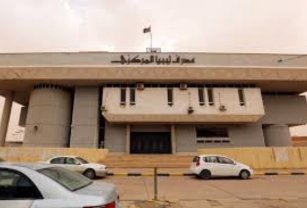
Libya Signs First Unified State Budget in 13 Years Following US-Mediated Deal Between Rival Factions
Libya’s long-divided eastern and western legislative bodies have reached a significant agreement to unify public spending for the first time in more than 13 years, marking a rare moment of consensus in a country still struggling to recover from the chaos that followed the 2011 uprising.
The central bank announced the breakthrough on Saturday, describing it as real progress toward stabilising the nation’s finances and improving the management of public resources. The deal was signed by representatives from the Benghazi-based House of Representatives and the Tripoli-based High Council of State, ending a prolonged period of fiscal fragmentation that has hampered effective governance since the fall of Muammar Gaddafi.
Libya, which holds Africa’s largest oil reserves and currently produces around 1.5 million barrels per day, generated $22 billion in oil revenues last year alone – a rise of more than 15 per cent from the previous year. Yet the country has continued to face a substantial foreign currency deficit of $9 billion, largely because of the lack of a single, coordinated budget.
The central bank welcomed the agreement as a step that could strengthen financial stability and bring much-needed order to public spending. In a statement, it commended the positive role played by the United States in supporting the mediation efforts that brought the two sides together.
Prime Minister Abdulhamid Dbeibah, who leads the UN-recognised government in Tripoli, also expressed cautious optimism, thanking Trump’s senior adviser on Arab and African affairs, Massad Boulos, for helping facilitate the talks. Dbeibah described the accord as carrying promising signs but warned that its success would ultimately depend on the genuine commitment of all parties to turn words into tangible improvements in the daily lives of ordinary Libyans.
This unified budget represents the first time in over a decade that Libya’s rival institutions have aligned on such a fundamental fiscal matter. The country has been split between Dbeibah’s government in the west and the eastern administration backed by military leader Khalifa Haftar, a division that has complicated everything from oil revenue management to basic service delivery.
Informed observers say the agreement could help reduce some of the economic pressures caused by parallel spending structures, although deep political differences between the factions are likely to remain. Libya’s vast oil wealth has long been both a blessing and a source of tension. With proven reserves estimated at 48.4 billion barrels, the country has the potential to become a major energy player once again, but repeated political crises have prevented it from reaching full production capacity.
Officials have spoken of ambitions to increase output to two million barrels per day, yet the absence of a unified budget has repeatedly undermined those goals. The new agreement is seen as a practical step that could improve coordination and restore some confidence in the country’s financial institutions.
The development comes at a time when Libya is still grappling with the legacy of years of conflict and instability. Many citizens continue to face challenges with access to basic services, while the economy remains vulnerable to fluctuations in global oil prices. By bringing the eastern and western authorities together on spending priorities, the deal offers a glimmer of hope that rival factions can cooperate on issues that directly affect people’s lives, even if broader political reconciliation remains a distant prospect.
For now, the central bank will begin implementing the new spending framework, with attention focused on how effectively the two sides can coordinate on revenue distribution and expenditure. The agreement has been cautiously welcomed by observers who see it as a foundation for further cooperation in other areas of governance.
Whether this momentum can be sustained will depend on the willingness of all parties to move beyond short-term gains and work toward longer-term stability.
